What Are the Best Energy Systems in 2026?
What Are the Best Energy Systems in 2026? The answer depends on where energy is needed, when demand peaks, and what local resources are available. A sunny region with room for development may favor solar power paired with batteries. A cold city may gain more from efficient heat pumps, building upgrades, and a dependable electricity grid. There is no universal winner.
Energy scholar Vaclav Smil captures a basic principle: “Energy is the only universal currency: one of its many forms must be transformed to get anything done.” In his book Energy and Civilization, Smil examines how energy shapes societies and technologies. His perspective helps explain why comparing Energy Systems requires more than ranking equipment. Grid capacity, storage, operating costs, emissions, reliability, and supply chains all matter. So do the details on the ground: a substation’s limits, winter demand, or the distance between generation and homes.
This guide compares the leading options for 2026, including renewables, nuclear power, geothermal energy, storage, and flexible grids. It considers performance, affordability, resilience, and practical constraints, while distinguishing proven applications from emerging claims. Some comparisons remain imperfect. Costs shift, projects face delays, and regional data can be hard to match. That uncertainty deserves attention, not a tidy answer. The best system may be a carefully planned mix, not a single technology.
Defining Energy Systems and Their Core Components
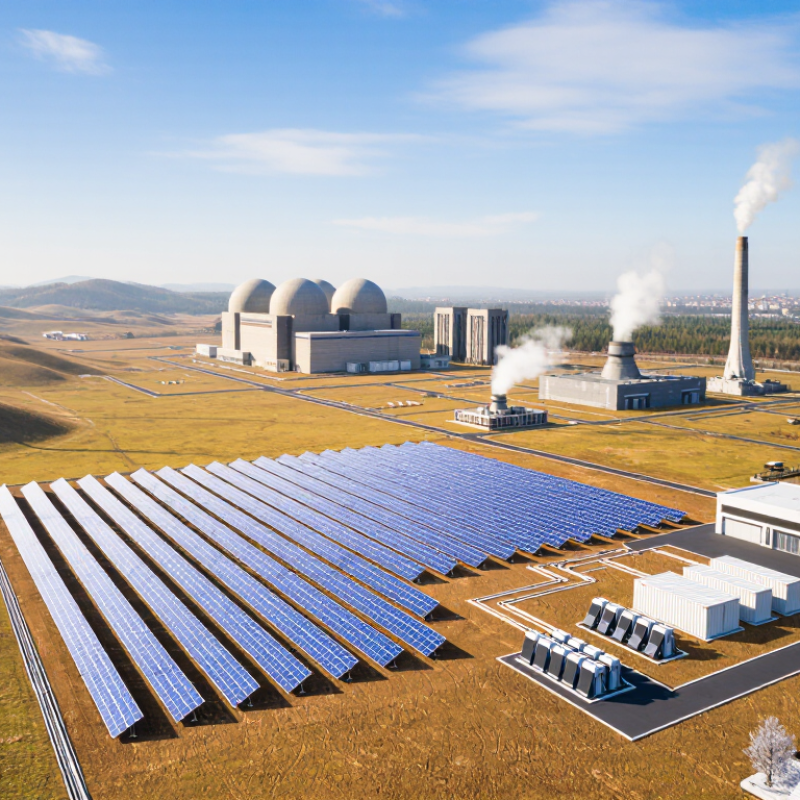
An energy system is the connected set of equipment and processes that supplies useful power. It moves energy from a source to the place where people need it. A home system might combine rooftop generation, a battery, wiring, controls, and appliances. A larger facility may use fuel, heat exchangers, backup power, and building controls. The parts differ, but the basic job is the same: deliver energy safely and reliably.
Core components include generation, conversion, storage, distribution, control, and end-use equipment. Generation provides the input, while conversion changes it into a useful form, such as electricity or heat. Storage can help balance supply and demand, though it adds cost and requires careful sizing. Distribution carries energy through cables, pipes, or thermal networks. Controls monitor conditions and adjust operation; end-use devices turn delivered energy into light, movement, cooling, or warmth. A neat system diagram can still hide real issues, like peak demand or maintenance needs. I’d check actual usage before trusting a tidy estimate.
Tips: Measure demand over time, not just on a typical day. Check how components work together. Keep it practical. A system that looks efficient on paper may disappoint if controls are confusing or key parts are poorly matched.
Key Criteria for Evaluating Energy Systems in 2026
Choosing an energy system in 2026 starts with the building, not a headline efficiency rating. Compare performance across the temperatures and demand patterns your site actually faces. A system that works well during a mild afternoon may struggle during a cold morning peak. Check seasonal efficiency, usable output, and how quickly the system responds to changing loads.
Total cost matters more than the purchase price. Include installation, expected maintenance, replacement parts, and energy use over the system’s working life. Ask for assumptions behind any savings estimate, especially local tariffs and operating hours. Small details count. A service panel crowded with equipment or a hard-to-reach filter can add real upkeep. I would also question any comparison that treats projected savings as guaranteed.
Reliability and fit deserve equal attention. Look at backup options, repair access, noise, space requirements, and compatibility with existing wiring or heating equipment. For systems that rely on variable renewable power, consider storage needs and what happens during low-output periods. Emissions should be assessed across operation and, where data is available, manufacturing and disposal. No scorecard is perfect. A site survey may uncover limits that a spreadsheet misses, so keep room for uncertainty when weighing the results.
What Are the Best Energy Systems in 2026?
Key Criterion: Lifecycle Greenhouse Gas Emissions
Lifecycle emissions account for impacts from construction, fuel supply, operation, and decommissioning. Lower emissions are an important criterion for evaluating energy systems, but reliability, cost, land use, and local conditions also matter.
Source: IPCC Fifth Assessment Report, Working Group III, Annex III, Table A.III.2. Values are median lifecycle emissions in g CO₂-eq/kWh.
Major Energy System Types and How They Work
An energy system connects a source of energy to the people and equipment that use it.
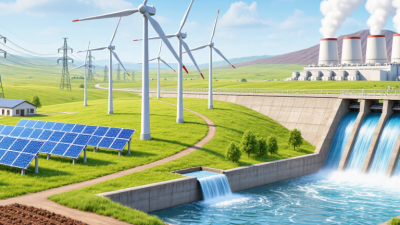
Solar panels turn sunlight directly into electricity, while wind turbines use moving air to spin generators. Both depend on local weather, so output can change within hours. A rooftop array may produce strongly at midday, then fall sharply after sunset. It is variable.
Hydropower sends flowing or stored water through turbines. Geothermal plants draw heat from underground, where suitable resources exist. Nuclear plants use controlled fission to heat water and drive turbines. These systems can provide steady electricity, though construction time, location, water use, and waste management affect their suitability. No source fits every region.
Fossil-fuel plants burn coal or gas to produce heat and electricity; some can adjust output when demand rises. Their emissions and fuel supply risks are important trade-offs. Batteries store electricity for later use, but they are not primary energy sources. Grid operators combine generators, storage, and transmission lines to match supply with demand. A windy coast may need stronger connections to inland towns. In practice, the “best” mix depends on reliability needs, costs, climate, and available resources. Estimates also change as technology and local conditions change.
Comparing the Best Energy Systems for Different Needs
What Are the Best Energy Systems in 2026?
Comparing the Best Energy Systems for Different Needs
The right energy system depends on the job. A grid connection suits homes with steady service and limited roof space. Rooftop solar can help households with sunny roofs and daytime electricity use. The International Energy Agency’s Renewables 2024 report projects nearly 5,500 gigawatts of renewable capacity additions worldwide by 2030, with solar making up almost 80% of the increase. That growth matters, but it does not make every roof a good investment. Shade, local tariffs, and installation costs can change the numbers sharply.
For heating, a heat pump may be a better fit than relying on electric resistance heaters. The IEA’s The Future of Heat Pumps report says typical heat pumps deliver three to five units of heat per unit of electricity. In a cold-climate home, insulation and equipment sizing still matter; efficiency figures on paper cannot fix drafts around a window. Solar paired with a battery can store daytime power for evening use or short outages. Yet batteries add upfront cost, and their value depends on outage frequency and local electricity rates.
Some households need resilience more than bill savings. A modest battery may cover lights, a router, and a refrigerator, while a generator can support heavier loads but requires fuel and regular maintenance. There is no universal winner. A careful comparison should use a year of electricity bills, winter heating needs, roof condition, and expected outage duration. Even then, estimates can be imperfect. Real homes are messier than spreadsheets.
What Are the Best Energy Systems in 2026? - Comparing the Best Energy Systems for Different Needs
| Energy system |
Best suited to |
Typical performance |
Upfront cost |
Reliability and limitations |
Overall fit |
| Grid electricity |
Homes and businesses needing a simple, readily available electricity supply |
No on-site generation; emissions depend on the local electricity mix |
Low connection cost where service is already available |
Usually dependable, but exposed to outages, utility rates, and grid constraints |
Best for simplicity and low initial investment |
| Grid-connected rooftop solar |
Properties with suitable roof space, good sun exposure, and daytime electricity use |
Output varies by location, roof orientation, shading, and weather; generation is intermittent |
Medium to high |
Can reduce grid purchases, but standard grid-tied systems generally shut down during outages unless designed with backup capability |
Strong option for lowering daytime electricity use |
| Solar panels with battery storage |
Properties seeking evening solar use, backup power, or reduced exposure to time-varying electricity rates |
Battery systems commonly return about 85–95% of the electricity put into storage, depending on equipment and conditions |
High |
Backup duration depends on battery capacity and household loads; batteries add cost and eventually need replacement |
Best when backup power or shifting solar energy matters |
| Air-source heat pump |
Space heating and cooling in homes with a suitable electrical supply |
Often delivers roughly 2–4 units of heat per unit of electricity over operating conditions; performance varies with climate and system design |
Medium to high |
Provides heating and cooling; cold-weather performance and required backup heat vary by model and installation |
A strong all-around choice for efficient electric heating and cooling |
| Ground-source heat pump |
Long-term properties with suitable land and a budget for ground-loop installation |
Seasonal performance is commonly higher and more stable than air-source systems; actual results depend on design and site conditions |
High to very high |
Less affected by outdoor air temperature, but drilling or excavation can add complexity and cost |
Best where high efficiency over a long service period justifies installation cost |
| Solar thermal water heating |
Buildings with steady hot-water demand and a sunny, suitable roof or installation area |
Can supply a substantial share of annual water-heating demand, but output changes with climate, season, and system design |
Medium to high |
Usually needs a backup water heater; maintenance and freeze protection depend on system type and climate |
Best for reducing water-heating energy use where solar conditions are favorable |
Note: Performance and costs are indicative, not guaranteed. Local climate, electricity prices, incentives, building efficiency, installation quality, and utility rules can substantially change results. “Best” depends on the building’s needs and local conditions.
Choosing an Energy System by Location, Cost, and Demand
The best energy system in 2026 depends less on headlines than on where you live and how you use power. A sunny roof may suit solar panels, while a cold home with suitable insulation may benefit more from a heat pump. Check roof shade, winter temperatures, utility rates, and local connection limits before comparing equipment. A system that performs well in a dry region may disappoint in a cloudy, shaded neighborhood.
Tips: Review a full year of energy bills, not just one month. Note when demand peaks, such as evenings or during heating season. Ask for estimates that include installation, maintenance, and likely savings assumptions.
Match system size to real demand. Oversized equipment can raise upfront costs without delivering useful extra energy; undersized equipment may leave you relying heavily on the grid. Batteries can help when outages are common or electricity prices vary by time, but they are not automatically worthwhile.
Compare total costs over the system’s expected life, and check what warranties actually cover. One uncertainty is future energy pricing: forecasts can miss the mark, so test several scenarios rather than trusting a single savings estimate.
A qualified local assessment can account for building conditions and climate details that online calculators often overlook.