Best Energy Systems Suppliers in China for Global Buyers
Choosing reliable Energy Systems suppliers in China requires more than comparing catalog prices. Global buyers need evidence: audited factories, traceable components, tested designs, and responsive technical support. This guide introduces suppliers through practical criteria used in real procurement work. It considers solar storage, inverters, microgrids, battery systems, and integrated control platforms. The goal is not to praise every manufacturer. It is to clarify fit. A supplier may offer excellent cells but weak commissioning support. Another may provide strong engineering while lacking clear documentation for overseas installers. Those differences affect uptime, safety, warranty claims, and project schedules.
Experienced buyers should verify certifications relevant to destination markets, production capacity, quality-control records, and independent test reports. They should also request sample contracts, spare-parts policies, remote monitoring details, and references from comparable projects. Factory visits can reveal practical details, such as labeling discipline, moisture control, and final inspection procedures. However, a polished showroom proves little. Supplier rankings can change as technologies, prices, and service teams change. That is an uncomfortable limitation. Therefore, this overview treats reliability as measurable but never permanent. It encourages careful questions, documented verification, and realistic performance expectations before payment or deployment. With that approach, global buyers can compare Energy Systems suppliers more fairly and reduce avoidable procurement risks.
China’s Energy-System Market: 2.92 TW of Renewable Capacity in 2023 (NEA)
Best Energy Systems Suppliers in China for Global Buyers
China’s renewable energy base reached 2.92 TW in 2023, according to the National Energy Administration. It represented about 52% of the country’s total installed power capacity. Solar capacity exceeded 609 GW, while wind power surpassed 441 GW. These figures show unusual manufacturing depth, not just fast project growth.
The IRENA Renewable Capacity Statistics 2024 reported that China added roughly 297 GW of renewable capacity during 2023. That was more than half of global additions. For overseas buyers, this scale can support competitive pricing, shorter component lead times, and broader engineering experience. Yet capacity alone proves little. A supplier should provide verified efficiency tests, degradation assumptions, grid-compliance documents, and traceable quality records.
Small details matter.
Buyers should inspect factory audits, sample testing, warranty exclusions, and spare-parts planning before signing contracts. The International Energy Agency also identifies China as a major force in global solar manufacturing, but supply-chain concentration can create logistics and policy risks. A strong procurement process compares at least three qualified suppliers and checks performance under local temperature, humidity, and grid conditions. Some advertised figures may depend on ideal laboratory settings. That deserves more skepticism. In practice, the best energy-system partner is not always the cheapest manufacturer, but the one that can explain weak points clearly and support the equipment after installation.
Supplier Categories: Solar, Storage, Inverters, Microgrids, and EPC Services
Best Energy Systems Suppliers in China for Global Buyers
China’s energy-systems supply base covers solar modules, battery storage, inverters, microgrids, and EPC services. IRENA’s Renewable Capacity Statistics 2024 recorded 473 GW of renewable capacity added globally in 2023, with solar contributing most of the growth. This scale increases purchasing options, but it also makes technical screening more important. Buyers should request IEC test reports, factory quality records, warranty terms, and documented production capacity. Check the cells. Also inspect the factory.
For solar and storage projects, suppliers should provide degradation curves, thermal-management details, fire-safety designs, and clear battery transport documentation. The IEA’s Batteries and Secure Energy Transitions report estimates that global energy-storage capacity must expand substantially by 2030 to support renewable integration. Inverters require equal attention. Confirm grid-code compatibility, cybersecurity controls, reactive-power functions, and performance under weak-grid conditions. A low quoted price may hide costly software limits or replacement risks.
Microgrid and EPC suppliers need stronger project evidence. Ask for single-line diagrams, commissioning records, protection studies, and references from similar climates. The IEA Renewables 2024 report expects renewable capacity to grow by almost 5,500 GW between 2024 and 2030, showing why reliable integration matters. In practice, supplier selection is rarely perfect. Delivery dates shift, and published efficiency may not match field results. Independent inspections, staged payments, and acceptance testing reduce that gap. A catalogue is not proof.
Best Energy Systems Suppliers in China for Global Buyers
Supplier categories: Solar, Storage, Inverters, Microgrids, and EPC Services
China’s 2023 installed clean-energy capacity provides a useful market context for global buyers evaluating solar, storage, inverter, microgrid, and EPC suppliers. Solar PV reached 609.5 GW, while wind power reached 441.3 GW. New-type energy storage reached 31.4 GW of power capacity. These indicators reflect the scale of deployment that supports China’s broad supplier ecosystem.
Source: China National Energy Administration, 2023 national power industry statistics. Capacity figures are rounded and shown in GW.
China’s Manufacturing Edge: Over 80% of Global Solar Module Capacity (IEA)
China has become a central sourcing base for global solar energy systems. According to the IEA, over 80% of global solar module capacity is located in China. This manufacturing edge supports large production volumes, competitive pricing, and faster equipment availability. It also gives buyers access to suppliers experienced in international project requirements.
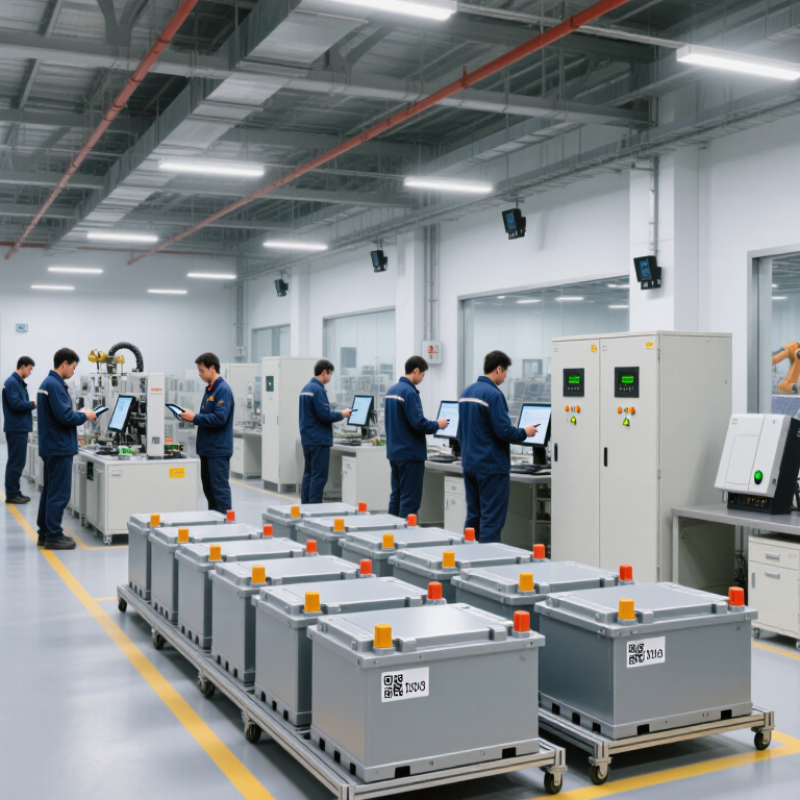
Scale alone is not enough. The number is impressive, but capacity does not guarantee consistent quality. Global buyers should review factory certifications, production records, material traceability, and independent test reports. A practical factory audit can reveal details that brochures often miss, such as warehouse conditions, soldering quality, and packaging protection. Ask for clear warranty terms and realistic delivery schedules.
Field experience matters. A supplier may offer efficient modules, inverters, mounting structures, or storage equipment, yet still struggle with communication after shipment. Buyers should test response times before signing a contract. Technical drawings, inspection procedures, and spare-parts plans should be agreed in writing. Do not rely only on price.
There is room for doubt. Even strong suppliers can face delays, design changes, or inconsistent batches. Regular inspections and sample testing reduce these risks. For global procurement teams, China’s manufacturing depth is valuable, but careful verification remains essential.
Supplier Evaluation: Efficiency, Safety, Bankability, and Levelized Cost
Selecting energy system suppliers in China requires more than comparing quoted prices. Global buyers should examine measured efficiency under realistic conditions, not only laboratory ratings. Request third-party test reports, production samples, and operating data from comparable climates. A 2% efficiency gap can materially affect annual output and revenue.
Safety deserves direct verification. Review electrical protection, thermal management, fire controls, and factory quality procedures. An independent audit should examine incoming materials, assembly records, and final inspection logs. Ask how defects are traced. Small details matter. A loose connector can become a costly failure in a remote project.
Bankability depends on evidence. Assess audited financial statements, warranty reserves, insurance coverage, and the supplier’s ability to support spare parts for ten years or longer. Contract terms should define response times, performance guarantees, and acceptable testing methods. Levelized cost of energy must include transport, installation, maintenance, replacement parts, financing, and expected degradation. The lowest purchase price may produce the highest lifetime cost. No factory is flawless, and supplier documents can be selective. Buyers should challenge optimistic assumptions and verify critical claims through site visits or independent engineers. A practical evaluation matrix creates clearer decisions, even when the available data remains incomplete.
Global Buyer Checklist: Certifications, Warranties, Incoterms, and Support
Best Energy Systems Suppliers in China for Global Buyers
China’s energy equipment market is expanding with global demand. IRENA’s Renewable Capacity Statistics 2024 recorded 473 GW of renewable capacity additions in 2023. That scale makes supplier verification essential, not optional.
Ask for current certificates, test reports, and traceable model numbers. Solar modules should match relevant IEC 61215 and IEC 61730 requirements. Inverters may require IEC 62109 safety testing. Check whether certificates cover the exact production site and product version. ISO 9001 supports process control, but it does not prove product performance. Paperwork can still mislead.
Warranty language deserves close attention. Separate product warranty, performance warranty, exclusions, and remedy procedures. Request a written degradation schedule, spare-parts commitment, and response-time agreement. The IEA’s World Energy Investment 2024 report estimated global clean-energy investment would exceed 2 trillion dollars, increasing pressure on after-sales capacity. Specify commissioning, remote diagnostics, training, and local service contacts. I would also require sample inspection records, although inspections cannot predict every field failure. Use Incoterms 2020 precisely. Confirm who handles export clearance, insurance, freight, import duties, and risk transfer. A DAP quotation is not equivalent to DDP. Keep that distinction visible.