How to Choose Renewable Energy Solutions in 2026?

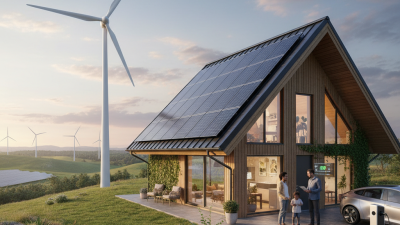
In 2026, choosing Renewable Energy Solutions is less about chasing a single technology and more about matching energy needs to real-world conditions. IRENA’s Renewable Capacity Statistics 2025 reports that global renewable power capacity reached 4,448 gigawatts by the end of 2024. Renewables made up 92.5% of capacity added that year. The scale is impressive. Yet national growth does not guarantee a sound local project.

IEA Executive Director Fatih Birol described the shift by saying, “The world is moving into the Age of Electricity.” His observation, presented in the IEA’s World Energy Outlook 2024, points to a practical question: how will your home, business, or community use power each day? Compare solar, wind, heat pumps, and storage against local weather, roof or site conditions, demand peaks, grid access, and full operating costs. Ask installers for itemized estimates, equipment warranties, expected output, and maintenance plans. A battery may help during evening peaks, but its value depends on tariffs and usage patterns. Details matter.

A credible choice should rest on current utility rules and verified performance, not a polished savings promise. Check independent data and ask how estimates change during cloudy weeks or equipment downtime. That sounds tidy. Real projects rarely are. Prices, incentives, and grid constraints can shift, and published forecasts cannot predict every site. A careful comparison may take longer, but it helps reveal trade-offs before a contract is signed. The best solution is not always the largest system. It is the one whose costs, output, and limitations you can clearly explain.

How to Choose Renewable Energy Solutions in 2026?

Define Your Energy Needs, Budget, and Site Conditions

Begin with twelve months of electricity bills, not a guess about which appliances use the most power. The U.S. Energy Information Administration reported average household electricity use of 10,791 kilowatt-hours in 2022. Treat that figure as a reference, not a target; climate, household size, and heating systems change demand. Mark high-use periods, such as hot afternoons when air conditioning runs. Then decide whether you need lower bills, backup power, or both. Those goals lead to different system sizes.

Set a realistic budget that includes installation, wiring upgrades, storage, and future maintenance. IRENA’s Renewable Power Generation Costs in 2023 found that 81% of newly commissioned utility-scale renewable capacity that year generated power more cheaply than fossil-fuel alternatives. That finding signals broad cost progress, but it does not guarantee a household project will pay back quickly. Local tariffs and financing matter. A spreadsheet can look exact and still miss a roof repair.

Check the site before comparing equipment. Note roof direction, shade from a chimney, usable area, and the condition of the electrical panel. For a small property, even one tree’s afternoon shadow may change expected output. Ask an installer to explain production estimates and assumptions in writing. My first estimate would still be provisional. Weather is stubborn. For ground-mounted systems, also measure clear space and check soil drainage; a low corner that collects rain can complicate foundations and access.

Compare Renewable Energy Technologies Available in 2026

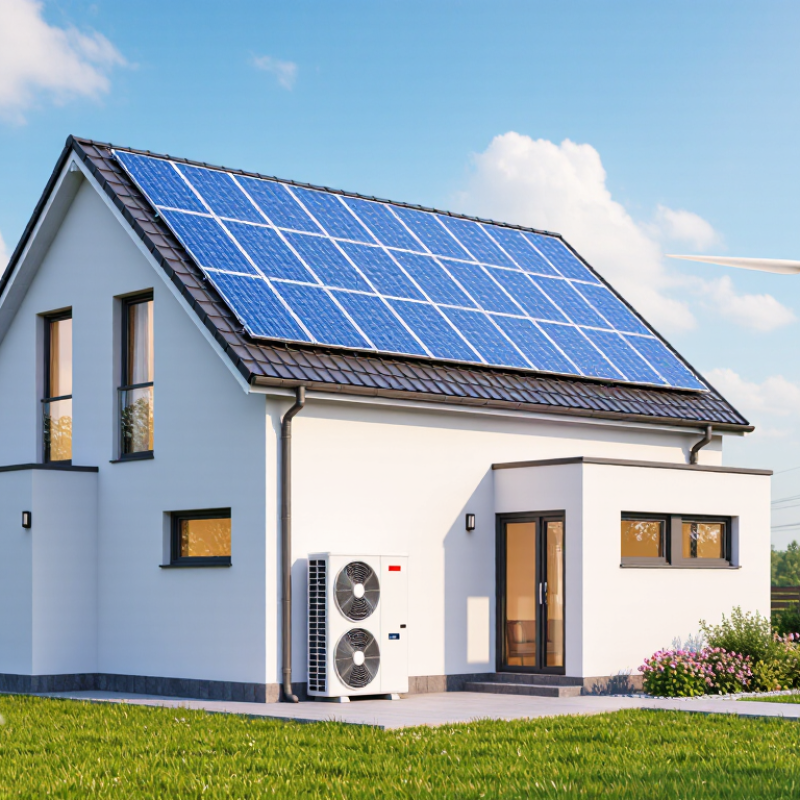
In 2026, rooftop solar remains a practical option where roofs receive strong sunlight and can support the panels. It produces electricity quietly, but output falls on cloudy days and after sunset. A battery can shift some daytime power into the evening; it adds cost and does not solve every seasonal gap. Check roof condition, shade, and local electricity rates before comparing quotes.

Wind power suits open, consistently breezy sites better than sheltered neighborhoods. Small turbines can face turbulence, noise concerns, and maintenance needs, so a windy-feeling yard is not enough evidence. Larger wind projects often deliver more electricity, but depend on suitable land and grid connections. Hydropower can provide steady output where water flow and elevation allow it, though drought and ecosystem impacts need careful review.

Geothermal systems use underground heat for dependable heating and cooling, while geothermal power generation is limited to suitable geological areas. Biomass can provide dispatchable energy, but its climate benefits depend on feedstock, transport, and combustion controls. There is no universal winner. Compare expected annual output, installation and upkeep costs, useful lifespan, and storage needs for your actual site. Estimates can look precise and still miss local conditions; ask what assumptions they use.

Assess System Costs, Incentives, and Financing Options

Before comparing renewable energy systems, estimate your household’s actual use. Review twelve months of utility bills, then note seasonal peaks and planned changes, such as an electric vehicle. A rooftop solar quote should separate panels, inverters, installation, permits, and optional battery storage. Ask what happens if the roof needs repair soon. Small details can shift the real cost.

Incentives may reduce upfront expenses, but availability and eligibility can change by location and year. Check current information with relevant government energy offices, and confirm deadlines before signing. Do not treat a projected incentive as guaranteed savings. Financing deserves the same scrutiny. Compare the total paid over the contract, not just the monthly amount. A low payment may come with fees, a long term, or changing rates.

With a cash purchase, compare upfront cost against expected bill savings and future maintenance. A loan preserves ownership, but interest can narrow those savings. Leases or power agreements may require less cash at the start; review payment increases, transfer rules, and equipment responsibilities. Request itemized estimates from several qualified installers, using the same system size and assumptions. Then test a cautious scenario with lower production and higher repair costs. My estimates would still be imperfect: shade changes, household use shifts, and forecasts miss things. That uncertainty is worth discussing before choosing.

Evaluate Equipment, Providers, and Grid Compatibility

Choosing renewable energy in 2026 starts with matching equipment to a building’s actual energy use. Review twelve months of bills, peak-hour demand, roof condition, and available space before comparing panels, batteries, or heat pumps. A system can look efficient on paper yet produce less when afternoon shade crosses the roof. Ask providers to show the assumptions behind their savings estimates.

Check a provider’s installation experience, itemized equipment specifications, warranty terms, and plan for maintenance. Ask who monitors the system and responds if it stops working. Grid compatibility needs equal attention: confirm connection requirements, export limits, and backup options with the utility and a qualified installer. One detail is easy to miss: a battery may not power every circuit during an outage. Ask for evidence. Projections also depend on weather and usage, so treat precise-looking savings figures with care.

Tips: Photograph the electrical panel and note large appliances before consultations. Request a written explanation of how the proposed system handles your household’s peak demand. Compare service terms, not just equipment prices. If two estimates differ sharply, ask what assumptions changed. Small details matter.

How to Choose Renewable Energy Solutions in 2026?

U.S. Utility-Scale Capacity Factors, 2023

Capacity factor is the share of a plant’s maximum possible output generated over time. In 2023, U.S. utility-scale wind averaged 33.5% and solar photovoltaic averaged 23.3%. These national averages are useful for an initial equipment comparison, not a site-specific production forecast. Before choosing a system or provider, check local resource conditions, equipment performance guarantees, interconnection requirements, and whether storage or grid upgrades are needed. Source: U.S. Energy Information Administration (EIA), 2023 utility-scale generation and capacity data; values rounded.

Plan Installation, Performance Monitoring, and Maintenance

How to Choose Renewable Energy Solutions in 2026?

Plan installation around the building, not just the equipment. Check roof age, afternoon shade, available electrical capacity, and typical energy use before comparing system sizes. A site visit can reveal a vent, tree, or roof section that changes the layout. Small details matter. Ask the installer to explain expected output, connection requirements, and what happens if the site needs extra work. Set aside time for commissioning, when the system is tested and its initial readings are recorded. Keep those readings as a baseline, not a promise of identical output every month.

Monitoring should help you spot changes, not create daily chores. Review production and household use monthly, and compare similar seasons. A sudden drop may come from weather, shading, a tripped breaker, or a technical fault; check the obvious causes before assuming the worst. Weather changes everything. Choose a maintenance plan that names inspection tasks, response times, and any owner responsibilities. Panels may need occasional cleaning, while inverters, batteries, and wiring require checks suited to their specifications. Avoid opening electrical equipment yourself; ask a qualified technician when warning lights persist or performance stays low. One planning mistake is expecting monitoring to diagnose every fault. It often points to a problem, but not its exact cause.

How to Choose Renewable Energy Solutions in 2026? — Plan Installation, Performance Monitoring, and Maintenance

Compare the options below against your site, energy needs, budget, and local requirements. Performance ranges are indicative; actual output depends on location, system design, weather, and operating conditions.

Solution Best suited for Installation planning Performance indicators Monitoring plan Maintenance needs Key considerations
Rooftop solar photovoltaic (PV) Homes and businesses with usable roof area and daytime electricity demand. Check roof condition, shading, orientation, structural capacity, electrical service, permits, and grid-connection rules before sizing the array. Track kWh produced, system availability, inverter status, and output against a weather-adjusted or modeled baseline. Module output commonly degrades gradually over time. Review inverter or meter data regularly; investigate sustained output changes, fault alerts, or differences between similar strings. Keep panels clear of significant debris; inspect wiring, mounts, and electrical components periodically. Use qualified technicians for repairs. Production varies with season, shade, temperature, roof direction, and local solar conditions. A site-specific yield estimate is more useful than a generic figure.
Ground-mounted solar PV Sites with available land, limited roof suitability, or a need for easier array access. Assess land use, soil and foundation conditions, drainage, shading, cable routes, setbacks, permits, and grid capacity. Monitor energy output, availability, inverter performance, and production per installed kW; compare results with local weather and expected seasonal patterns. Use system-level monitoring and, where appropriate, compare inverter or array sections to identify underperforming equipment. Inspect foundations, racking, cables, and electrical equipment; manage vegetation and remove soiling when it materially affects output. Land preparation, access, drainage, and cable runs can add cost. Layout should account for shading and safe maintenance access.
Onshore wind Windy sites with sufficient space, suitable terrain, and a feasible grid connection. Measure wind conditions over an appropriate period; assess setbacks, turbulence, permitting, access roads, foundation needs, and grid connection. Track kWh, wind speed, turbine availability, alarms, and output relative to wind conditions. Capacity factor is site- and turbine-specific. Review operating data and fault alerts; compare actual output with wind-resource expectations and check for repeated downtime. Plan scheduled inspections of blades, tower, foundation, brakes, electrical systems, and other moving components according to the maintenance plan. Output is highly dependent on wind resource and siting. Noise, visual impact, wildlife considerations, and local approvals may affect feasibility.
Small hydropower Sites with a dependable water source, suitable elevation change, and legal water access. Evaluate flow across seasons, available head, water rights, ecological impacts, intake design, flood conditions, permits, and connection options. Monitor kWh, flow, head, equipment availability, and seasonal variation; compare output with the site’s measured water resource. Use generation and equipment alarms alongside regular checks of intake and water-flow conditions. Inspect and clear screens and intakes as permitted; maintain turbines, channels, controls, and electrical equipment on schedule. Reliable output depends on year-round water availability. Environmental, water-use, and permitting requirements can be substantial.
Geothermal heat pump Buildings that need efficient space heating and cooling and have suitable ground-loop installation options. Review heating and cooling loads, geology, available drilling or loop area, building distribution system, permits, and electrical capacity. Track electricity use, delivered heating and cooling, runtime, and system temperatures. A coefficient of performance (COP) above 1 means more heat is delivered than electrical energy consumed. Monitor energy consumption, temperatures, pressure where applicable, and comfort; compare seasonal performance with the design and commissioning baseline. Replace or clean filters as needed and have pumps, controls, and heat-exchange equipment inspected. Ground loops generally require limited routine attention when properly installed. It uses electricity to move heat rather than generating electricity. Performance depends on design, ground conditions, and the building’s distribution system.
Solar water heating Buildings with consistent hot-water demand and a suitable collector location. Estimate hot-water use; check roof or ground space, shading, pipe routes, storage-tank placement, freeze protection, and backup-heating needs. Monitor solar heat contribution, hot-water temperatures, pump operation, and backup-heater use. Review temperature and controller readings; compare solar contribution across seasons and check for unexpected backup-heater operation. Inspect collectors, pumps, controls, insulation, and fluid condition as specified for the system; check for leaks and weather-related damage. Output varies by season and weather. A properly sized storage tank and suitable backup supply help maintain hot-water service.
Battery energy storage paired with renewables Users seeking to shift energy use, increase self-consumption, or provide backup where the system is designed for it. Define the intended use, power and energy requirements, critical loads, location, ventilation and fire-safety requirements, and compatibility with the electrical system. Track charge and discharge energy, state of charge, round-trip efficiency, temperature, operating limits, and system alerts. Review battery-management-system notifications and energy flows; verify backup operation only through safe, approved testing. Follow the manufacturer’s operating limits and inspection schedule; keep equipment areas clear and have electrical work performed by qualified personnel. Storage does not generate energy. Usable capacity, conversion losses, operating conditions, and backup configuration affect the value delivered.
Biomass or biogas heat and power Sites with a sustainable, dependable fuel supply and suitable space for equipment and fuel handling. Confirm fuel quantity, quality, delivery, storage, emissions requirements, permits, heat demand, and the intended electricity or heat output. Monitor fuel use, useful heat, electricity where applicable, operating hours, emissions-related readings, and equipment availability. Review control-system data and fuel records; compare useful output with fuel consumption and planned operating schedules. Plan regular cleaning and servicing of combustion equipment, fuel-handling systems, filters, and emissions-control equipment. Climate benefits depend on feedstock sourcing, transport, and system performance. Emissions rules and reliable fuel logistics are essential planning factors.

Planning note: Before selecting a system, review at least 12 months of energy bills where available, reduce avoidable energy demand, obtain a site-specific assessment, and verify current local building, electrical, environmental, and grid-connection requirements. Set a commissioning baseline so future monitoring can identify real performance changes.

We are crowdfunding!
Privacy Overview

This website uses cookies so that we can provide you with the best user experience possible. Cookie information is stored in your browser and performs functions such as recognising you when you return to our website and helping our team to understand which sections of the website you find most interesting and useful.

Find out more about Kitepower's privacy policy