What Is a Wind Generator and How Does It Work?
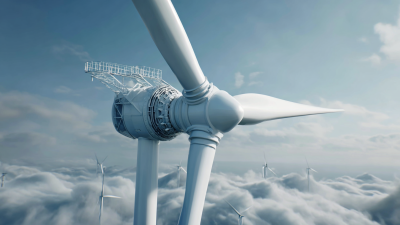
A Wind Generator converts moving air into usable electrical power. Its tall tower lifts the rotor above trees, buildings, and weaker surface winds. When blades turn, the rotor drives a generator through mechanical or direct-drive systems. Electricity then travels through cables, controls, and transformers before reaching homes or businesses.
The process sounds simple. It is not.
German physicist Albert Betz established a crucial limit: “No wind turbine can capture more than 59.3 percent of the wind’s kinetic energy.” This principle remains central to modern Wind Generator design. Engineers measure wind speed, turbulence, blade length, tower height, and local terrain before selecting equipment. A coastal turbine may face salty air, while a farm turbine may endure dust, ice, and sudden gusts. These details affect output and maintenance.
In practice, performance changes constantly. Wind does not arrive like a steady fuel line. A turbine can produce strongly at one hour and slowly at the next. Its control system adjusts blade pitch and generator speed to protect equipment and capture energy safely. The nacelle may contain sensors, brakes, bearings, and monitoring technology. Small faults can become expensive when ignored.
A Wind Generator also has limits. Manufacturing, transport, grid access, and end-of-life planning require careful evaluation. A basic diagram cannot show every challenge. That is where this guide becomes useful. It explains the working process clearly, while recognizing that real projects need site data, qualified engineers, and long-term inspection.
What Is a Wind Generator?
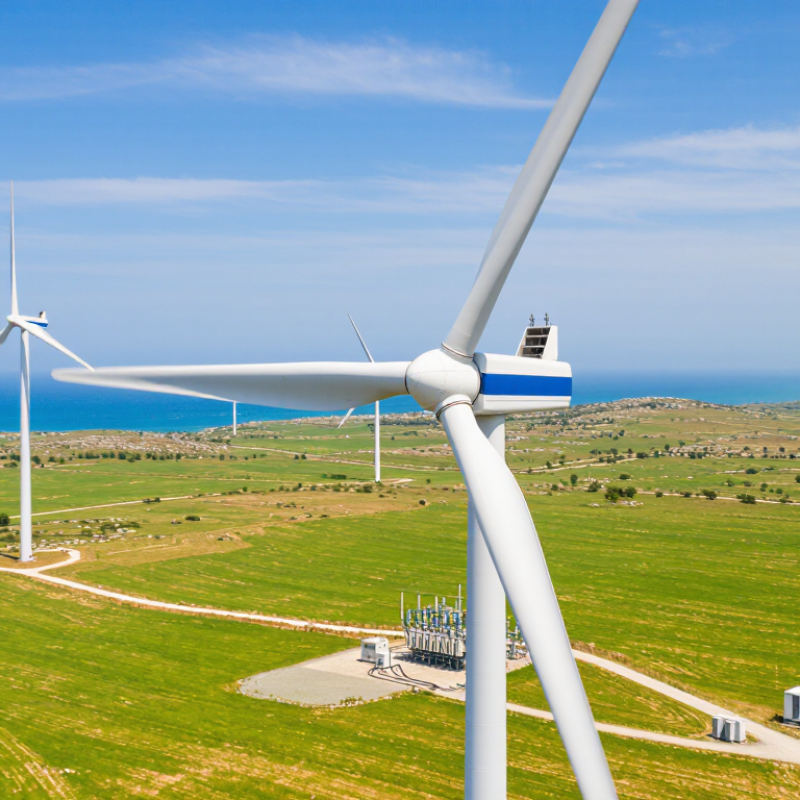
A wind generator is a machine that converts moving air into electrical energy. It usually has blades, a rotor, a shaft, and an electrical generator. The blades capture wind and begin to rotate. That rotation travels through the shaft to the generator, where mechanical energy becomes electricity.
The system may stand on a tall tower, where wind is often stronger and steadier. An anemometer measures wind speed, while a controller manages electrical output. Some systems send electricity through an inverter before household use. Others charge batteries for later use. On a working site, you may hear a soft mechanical hum and see the blades adjusting to changing wind directions.
A simple explanation can hide important limits. A wind generator does not produce the same power every hour. Calm weather reduces output, while very strong winds may trigger automatic shutdown. Blade size, tower height, local terrain, and maintenance all affect performance. Small systems can suit remote buildings, but they may need battery storage and careful electrical planning. The word “generator” can also be confusing, because the whole unit includes more than the generator itself. The generator is only the part that produces electricity. I have found that real performance often differs from ideal calculations, especially where trees, buildings, or uneven ground disturb airflow.
What Are the Main Parts of a Wind Generator?
What Is a Wind Generator and How Does It Work?
The main parts of a wind generator form one working chain. Wind pushes the rotor blades, which are shaped like aircraft wings. The blades turn the hub and main shaft inside the nacelle. A gearbox may increase rotational speed before the generator produces electricity. Direct-drive machines remove this gearbox, but they usually require a larger generator. Small mistakes in blade angle can reduce output noticeably.
The nacelle also contains brakes, bearings, cooling equipment, and control systems. Pitch controls adjust each blade’s angle, while the yaw system turns the nacelle toward changing wind. Sensors measure wind speed, vibration, temperature, and rotor speed. Electricity then passes through a converter and transformer before entering the grid. The tower supports the nacelle and transfers heavy loads into a reinforced concrete foundation. It looks simple from a distance. It is not.
The International Renewable Energy Agency reported about 1,017 gigawatts of global wind capacity at the end of 2023. The Global Wind Energy Council reported roughly 117 gigawatts of new capacity installed that year. Those figures underline the scale of modern machines, but size does not guarantee reliability. Salt, dust, lightning, and uneven turbulence can damage components. Field technicians therefore inspect blade surfaces, bolts, bearings, and electrical connections on scheduled visits. Reports from the U.S. National Renewable Energy Laboratory also show that drivetrain, tower, blades, and electrical systems remain major cost and performance drivers.
What Factors Affect Wind Generator Performance?
What Is a Wind Generator and How Does It Work?
What Factors Affect Wind Generator Performance?
A wind generator converts moving air into electricity. Its blades capture kinetic energy and rotate a shaft connected to a generator. Performance begins with wind speed. Available wind power rises with the cube of wind speed. A 10% increase can therefore provide roughly 33% more theoretical power. Small changes matter.
Rotor diameter also affects output. Larger blades sweep a wider area and capture more energy. However, bigger is not always better. Tower height, transport limits, structural loads, and maintenance access can reduce practical benefits. The theoretical Betz limit allows a maximum capture of 59.3% of wind energy. Real machines perform below that level.
Site conditions often decide the final result. Turbulence causes uneven loads and accelerates component fatigue. Nearby turbines create wake losses, especially when spacing is poor. Air density changes with temperature and elevation, while icing can reduce blade efficiency. The Global Wind Energy Council reported 117 gigawatts of new wind capacity in 2023, showing rapid expansion, but installed capacity does not equal actual generation. Capacity factor still depends on local wind quality and equipment availability.
Grid curtailment can reduce delivered electricity, even when wind conditions are excellent. Regular inspection helps, yet maintenance estimates are not always perfect. A clean performance model may overlook dust, seasonal turbulence, or delayed repairs. Those details deserve measurement, not assumptions.
Wind generator performance is strongly influenced by wind speed because available wind power increases with the cube of wind speed. The values shown are theoretical wind power density calculated at a standard air density of 1.225 kg/m³. Actual electrical output is lower and also depends on rotor size, generator efficiency, turbulence, air density, and operating limits such as cut-in, rated, and cut-out wind speeds.
What Are the Benefits and Limitations of Wind Generators?
What Is a Wind Generator and How Does It Work?
A wind generator converts moving air into electricity. Blades rotate a rotor, which drives a generator through direct drive or a gearbox. Modern turbines can operate for decades, but output changes with wind speed. That variability shapes both their value and their weaknesses.
Wind power has expanded rapidly. The Global Wind Energy Council reported 117 gigawatts of new capacity in 2023. Global installed capacity exceeded 1,000 gigawatts that year. Wind generators also produce electricity without burning fuel during operation. The IPCC estimates their median lifecycle emissions at about 11 grams of carbon dioxide equivalent per kilowatt-hour. This is far below fossil-fuel generation. They can also support rural lease income and reduce dependence on imported fuels. The benefits are tangible.
The limitations deserve equal attention. Calm weather can reduce output for hours or days. Grid operators then need storage, flexible generation, stronger transmission, or demand management. Construction can also face long permitting delays. Turbines require steel, concrete, copper, and composite materials. Their manufacturing still creates environmental impacts. The IEA has warned that grid expansion and permitting are becoming major challenges for renewable growth. Wildlife risks need careful siting and monitoring. Offshore projects may face difficult marine conditions and higher construction costs. The picture is not spotless. A turbine may look simple from a nearby field, yet its performance depends on weather forecasts, grid capacity, maintenance access, and local acceptance. That complexity is easy to underestimate.