
Thermoelectric Cooling has emerged as a revolutionary technology in temperature management. Unlike conventional cooling methods, it utilizes solid-state devices that require no moving parts. This makes it reliable and low-maintenance. Many industries are adopting Thermoelectric Cooling to enhance performance and efficiency.
In recent years, the demand for precise temperature control has grown. Thermoelectric Cooling systems provide this control with minimal energy consumption. They are compact and adaptable, fitting into various applications. From automotive to consumer electronics, their versatility is undeniable. However, implementing this technology may present challenges. Understanding the heat transfer mechanisms involved is crucial for optimal performance.
Despite its advantages, Thermoelectric Cooling is not without limitations. The cost of high-efficiency modules can be a barrier for some projects. Also, the cooling capacity might not be suitable for all applications. Therefore, proper evaluation and design are essential for success. By considering these factors, you can leverage the benefits of Thermoelectric Cooling effectively.
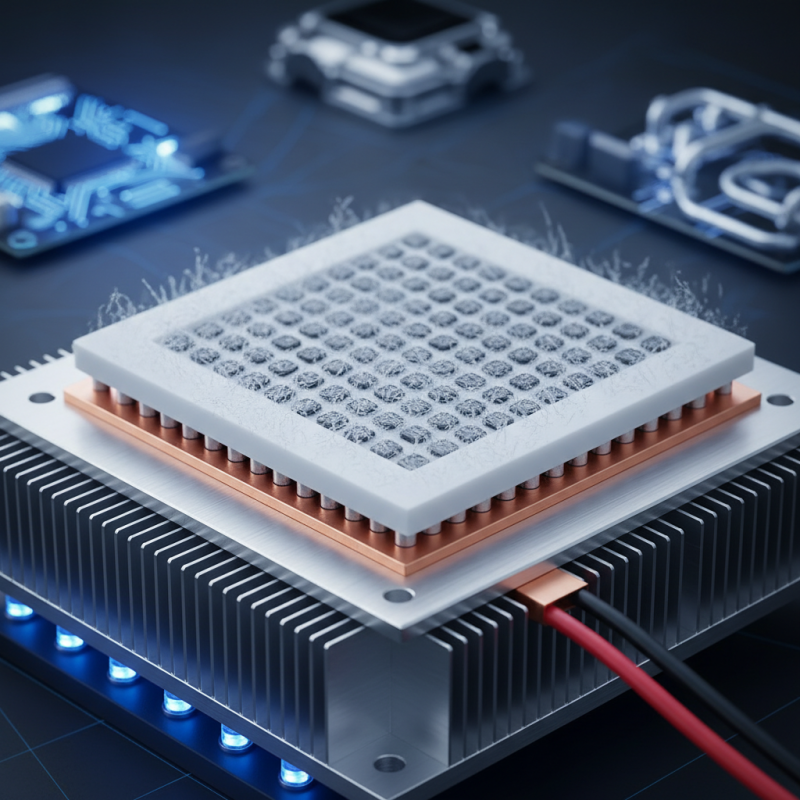
Thermoelectric cooling is gaining attention in various industries. It offers a unique set of benefits over traditional cooling methods. One significant advantage is its compact design. Unlike bulky refrigeration systems, Thermoelectric Coolers are often lightweight and small. This allows for easier integration into various projects, from portable devices to larger systems.
Energy efficiency is another critical aspect. Thermoelectric coolers convert electrical energy directly into cooling. This process reduces energy loss, making it more environmentally friendly. They can operate quietly, too. Traditional systems often rely on mechanical parts that generate noise. The silent operation of thermoelectric devices can enhance user experience in sensitive environments.
However, there are challenges to consider. The cooling capacity may not match that of conventional systems for all applications. It's essential to evaluate the specific needs of your project. Understanding these nuances ensures the right choice for cooling solutions. As thermoelectric technology evolves, it presents a compelling option for innovative projects. Yet, projects should be assessed on a case-by-case basis.
| Feature | Thermoelectric Cooling | Traditional Cooling Methods |
|---|---|---|
| Energy Efficiency | High efficiency with lower energy consumption | Generally high energy loss |
| Size | Compact and lightweight design | Bulkier components |
| Cooling Capacity | Reliable cooling at small scales | Effective for large-scale applications |
| Noise Level | Silent operation with no moving parts | Higher noise levels due to mechanical components |
| Maintenance | Low maintenance due to fewer moving parts | Regular maintenance required for mechanical parts |
| Environmental Impact | Eco-friendly, no refrigerants needed | Potentially harmful refrigerants used |
| Response Time | Fast cooling response | Slower response due to mechanical lag |
Thermoelectric cooling is gaining traction across various sectors due to its unique advantages. In medical devices, precise thermal management is crucial. Thermoelectric coolers can maintain consistent temperatures for sensitive equipment. This ensures devices perform optimally and enhances patient safety.
In the automotive industry, thermoelectric cooling plays a significant role in electric vehicles. It helps keep batteries at optimal temperatures, improving efficiency and lifespan. Additionally, thermoelectric systems are used in climate control for passenger comfort. This technology can offer a lightweight and energy-efficient solution for modern vehicles.
Tip: When choosing thermoelectric systems, consider the application’s specific cooling requirements. Proper sizing and efficiency ratings can significantly impact performance.
Research in electronics shows that these coolers can also aid in cooling components for high-performance computing. However, thermal management still presents challenges. Achieving optimal heat dissipation can be difficult with limited space. Hence, continuous testing and adaptation of designs are necessary.
Tip: Always evaluate the materials used in thermoelectric devices. This can affect durability and long-term performance. Regular assessments can help identify areas that need improvement.
Thermoelectric cooling relies on the Peltier effect, a phenomenon where electric current creates temperature differences. This technology uses semiconductor materials to achieve efficient cooling without moving parts. The lack of fans or compressors allows for quieter operation and reduced maintenance needs. It can be applied in various contexts, from portable coolers to computer CPU cooling.
One key advantage of thermoelectric cooling is its precise temperature control. This is especially useful in applications requiring strict thermal management. However, the efficiency of thermoelectric devices can be sensitive to external conditions. They perform best at specific temperature ranges and may struggle in extreme heat. Users must consider these limitations when designing their projects.
Testing and adapting these systems can yield surprising results. Experimentation with heat sink materials may optimize efficiency. Understanding the materials' thermal conductivity and electrical resistance can lead to better performance. While thermoelectric cooling presents clear advantages, it also provokes questions about practicality in large-scale applications. Adjustments may be necessary to realize its full potential.
This chart displays the cooling efficiency (Coefficient of Performance - COP) of various cooling technologies. Thermoelectric cooling, represented by Peltier Modules, shows lower efficiency compared to traditional methods like Vapor Compression, which can be significantly more effective. Understanding these differences is crucial for selecting the right cooling solution for your next project.
When considering thermoelectric cooling solutions, several key factors come into play. Efficiency is paramount. According to a report from the U.S. Department of Energy, thermoelectric coolers can achieve a coefficient of performance (COP) ranging from 0.5 to 1.0. This means that for every watt consumed, they can remove an equal to twice that of heat. However, efficiency can vary based on temperature differentials. If the temperature gap is too wide, the performance may decline.
Cost is another critical factor. A study by Technavio estimates that the global thermoelectric cooling market will be valued at USD 726 million by 2024. This growth indicates a rising adoption, yet it’s essential to balance the initial investment with long-term savings. Maintenance costs are often lower for thermoelectric systems, making them appealing over time. Still, upfront costs may discourage some projects.
Thermoelectric materials must also be scrutinized. Materials such as bismuth telluride are commonly used. They offer good thermal conductivity but can be limited in scalability. Research indicates that exploring alternative materials could enhance performance and reduce costs. The path forward holds potential, albeit with complexities in material science and process optimization. These considerations call for a reflective approach when integrating thermoelectric solutions into new projects.
Thermoelectric cooling technology is rapidly evolving. The shift towards more efficient and compact designs is notable. Recent reports indicate that the market for thermoelectric modules will reach $700 million by 2025. Innovations focus on materials that enhance performance and reduce costs.
One emerging trend is the use of advanced materials like bismuth telluride and lead telluride. These materials improve energy conversion efficiency significantly. Some studies suggest efficiency can reach over 10%. This advancement opens doors for applications in electronics and medical devices.
Despite these strides, challenges remain. The need for better heat dissipation solutions is crucial. Researchers are exploring novel approaches to integrate thermoelectric systems into existing infrastructures. The balance between performance, cost, and reliability is complex. Continuous innovation will be necessary to address these hurdles and realize the full potential of thermoelectric cooling.