As we face climate challenges, the shift to New Energy is more pressing than ever. Richard E. Varr, a renewable energy expert, states, “Transitioning to New Energy is not just essential; it is our future.” Homes can lead this change. By adopting renewable resources, families can reduce their carbon footprint. Transitioning is not always smooth. It requires planning and investment.
Many homeowners feel overwhelmed when considering New Energy options. Solar panels and wind turbines may seem like daunting investments. However, the long-term savings and environmental benefits often outweigh initial costs. Community support can aid this transition. Engaging local professionals offers valuable insights and solutions.
One should remain open-minded during this process. Mistakes can happen when switching to New Energy sources. Understanding local regulations and incentives can help avoid pitfalls. Continuous learning and adaptation are key. In the journey towards sustainable living, every action counts, and every decision shapes the future.
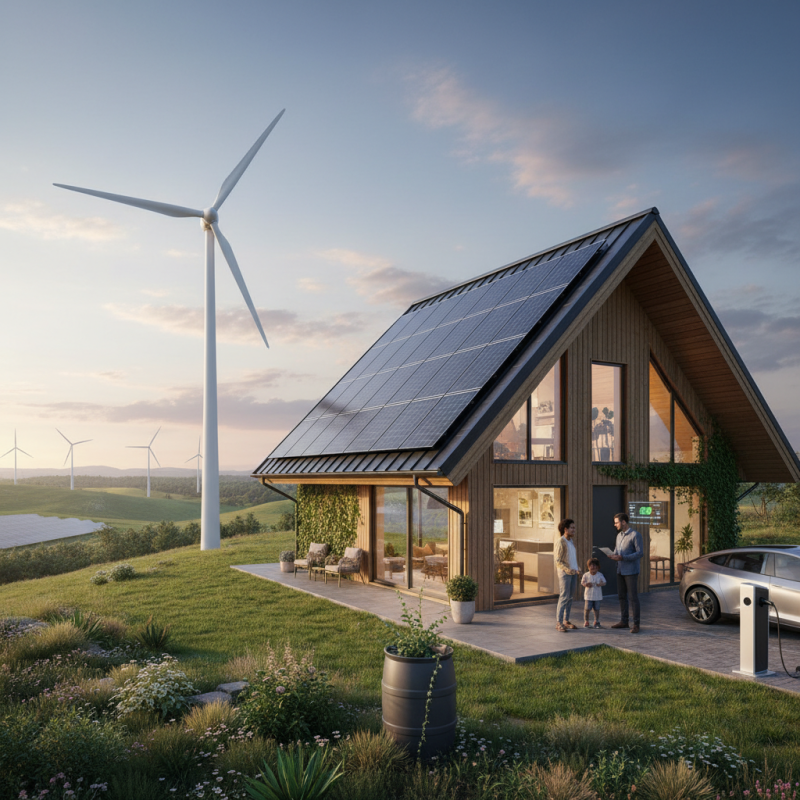
As homeowners seek sustainability, new energy sources gain attention. Solar panels are a popular choice. They convert sunlight into electricity, reducing reliance on fossil fuels. However, installation can be expensive. There are maintenance concerns too. Despite this, many find their efforts rewarding, enjoying lower utility bills.
Wind energy is another option. Small wind turbines can be installed in some backyards. They harness wind currents to generate power. These systems face challenges like zoning regulations and noise. Plus, they may not work for everyone, especially in less windy areas.
Geothermal heating offers potential for heating and cooling. It uses the earth's constant temperature to regulate home temperatures. Installation involves digging deep into the ground, which can be a daunting process. Homeowners need to weigh these factors carefully before committing. Each energy source requires reflection on practicality and effectiveness for individual situations.
This chart illustrates the potential contribution percentages of various new energy sources for residential usage. As homeowners transition to new energy solutions, solar energy is projected to lead with a significant 40% contribution, followed by wind energy at 25% and geothermal at 15%, supporting efforts towards sustainable living.
Evaluating your home’s current energy needs is essential when transitioning to new energy sources. Start by examining your monthly energy bills. Review your usage patterns over the past year. Consider seasonal changes. Identify when you consume the most energy.
Tips: Track your energy use. Use a simple log or a spreadsheet. This helps spot trends and areas to reduce consumption.
Next, assess the appliances and systems in your home. Are they energy-efficient? Older models may waste energy. Look for ways to upgrade or replace them. Simple changes can yield significant savings.
Tips: Prioritize changes that fit your budget. Start with small, manageable upgrades. They can build momentum for larger projects.
Lastly, think about your daily habits. Do you run appliances during peak hours? Could you adjust your routine for lower energy usage? Even minor shifts can contribute to a broader strategy. Examine these factors closely for insight.
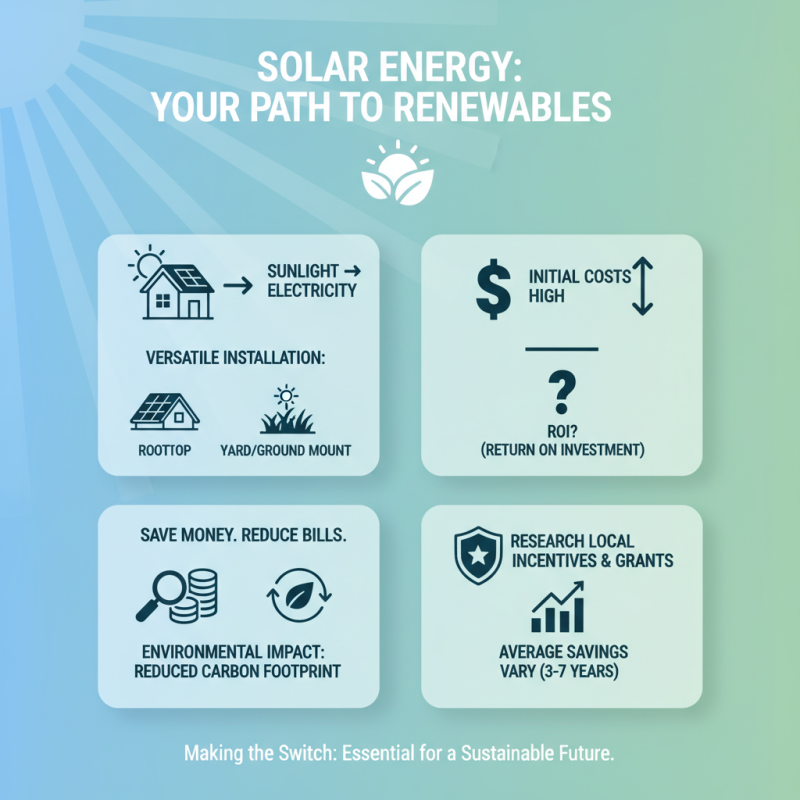
Transitioning to renewable energy can be daunting, yet essential. One popular option is solar energy. Solar panels can convert sunlight into electricity. They can be installed on rooftops or in yards, depending on space. However, initial costs can be high. Many homeowners worry about the return on investment. It's important to research local incentives and averages.
Wind energy is another option worth exploring. Small wind turbines can generate power for homes in areas with consistent winds. They require space and may not suit all neighborhoods. Some people have concerns about noise and aesthetics. Weighing these factors is crucial before making the leap.
Geothermal energy provides an innovative alternative. It uses the earth's heat to cool or heat homes. Installation can be complex and expensive, but it’s efficient in the long run. Homeowners must assess their location to determine feasibility. Other options like biomass and hydropower can also be considered, depending on resources available. Evaluating these choices is key to a successful transition.
Transitioning to new energy sources can be challenging yet rewarding. The first step involves assessing your current energy consumption. According to the U.S. Energy Information Administration, residential energy use accounts for 22% of total energy consumption. Understanding how much energy your home uses helps pinpoint areas for improvement. Conducting an energy audit enables homeowners to see where energy efficiency can be enhanced.
After the assessment, consider installing solar panels or wind turbines. An average system can reduce energy bills by 50%. Integration of energy storage systems is crucial. These systems store excess energy generated, which can be utilized during peak times. However, many homeowners underestimate the upfront costs. While the installation can be expensive, rebates could offset some costs. Research from the National Renewable Energy Laboratory indicates that there are significant long-term savings to be gained.
Integration also requires smart home technology. Smart thermostats and energy management systems can optimize usage. Yet, the learning curve can be steep. Many users find it difficult to adjust their routines to these new technologies. Aside from comfort, it’s essential to keep monitoring energy performance. Regular evaluations ensure that the systems are operating efficiently and effectively, making the transition to new energy sources a rewarding endeavor.
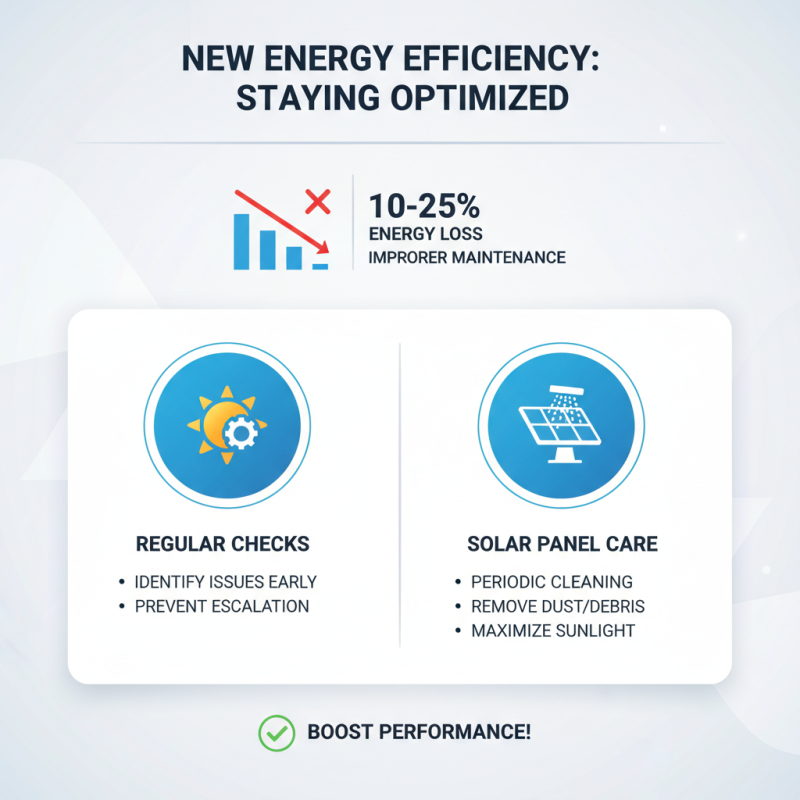
Monitoring and maintaining your new energy source is crucial for efficiency. Studies show that improper maintenance can lead to a 10-25% decrease in energy output. Regular checks can help you identify issues before they escalate. For instance, solar panels should be cleaned periodically. Dust and debris can block sunlight and reduce performance.
Battery storage systems require special attention. A report from the Energy Storage Association indicates that optimal temperature for lithium-ion batteries is between 20°C and 25°C. If batteries overheat or are exposed to extreme cold, their lifespan diminishes. Tracking battery health through monitored systems can prevent failures and costly replacements.
Creating a schedule for maintenance can ensure your energy source runs smoothly. For wind turbines, regular inspections are recommended. Data shows that wind turbines can underperform by 15% without proper upkeep. Observing and analyzing performance patterns allows for better energy management. The goal is to maximize efficiency and ensure sustainability.