What Are the Top Wind Energy Manufacturers in China?
China has become a major force in the global Wind Energy industry, supported by large manufacturing capacity and strong domestic demand. Its leading companies supply turbines for crowded coastal projects, remote deserts, and mountainous inland sites. Names such as Goldwind, Envision Energy, Mingyang Smart Energy, Windey, and Sinovel often appear in industry discussions.
A useful comparison should examine more than annual installation figures. Turbine size, blade design, drivetrain technology, offshore experience, and service coverage all influence real project value. A powerful machine is not always the best choice for every location. Wind speed, salt exposure, road access, grid conditions, and maintenance skills can change the result.
Details matter.
Goldwind is widely recognized for its permanent-magnet direct-drive technology. Mingyang has built a strong profile in offshore turbines, where corrosion control and reliable logistics are essential. Envision combines turbine manufacturing with digital monitoring and broader energy solutions. Windey continues to attract attention through domestic projects and expanding product lines.
However, rankings require caution. Market shares can change quickly, while companies may report capacity differently. Some figures describe orders, and others describe completed installations. That difference can mislead readers. A responsible review should compare official company disclosures, independent industry reports, verified project records, and customer experience.
The strongest manufacturer is not necessarily the largest one. It may be the company offering dependable equipment, responsive service, and realistic lifecycle costs. This article examines China’s top Wind Energy manufacturers through those practical and technical measures, while recognizing that no single ranking remains perfect for long.
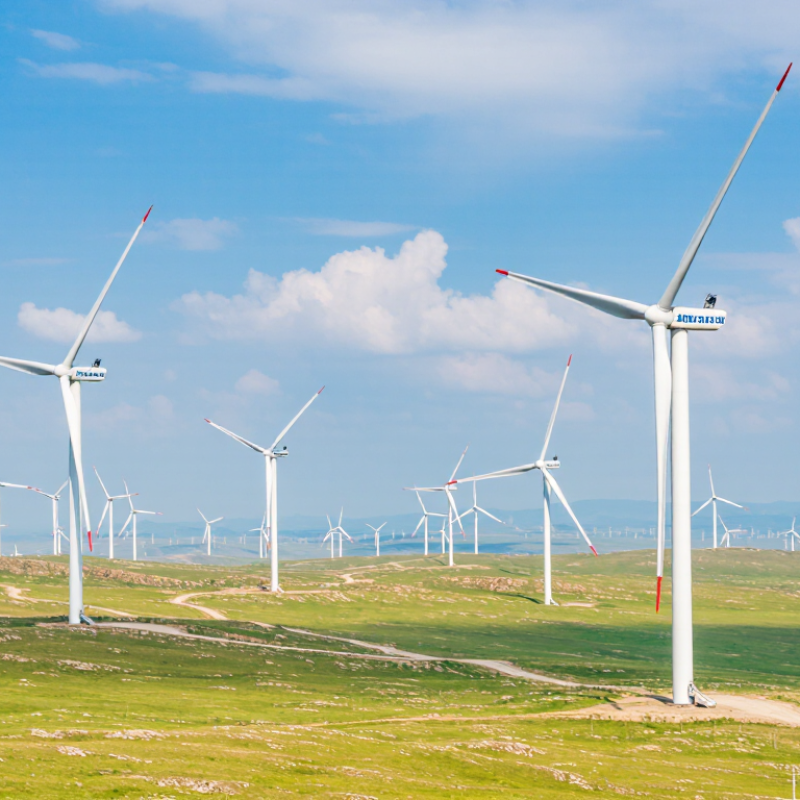
China’s Wind Energy Manufacturing Industry and Market Overview
What Are the Top Wind Energy Manufacturers in China?
China’s wind energy manufacturing industry has become a central force in the global renewable energy supply chain. Its strength comes from large-scale production, deep engineering talent, and a broad network of component suppliers. Manufacturers produce turbines, blades, generators, control systems, towers, and offshore foundations. A single industrial zone may include casting plants, electronic workshops, testing centers, and port facilities.
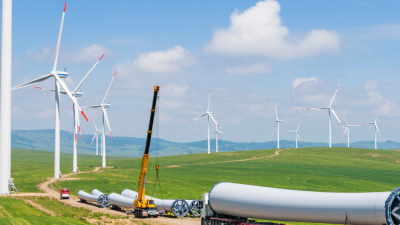
The domestic market is especially important. Large wind farms across northern grasslands, coastal provinces, and offshore waters create steady demand for different turbine designs. Onshore projects often focus on lower operating costs and easier transport. Offshore projects require stronger corrosion protection, heavier foundations, and reliable remote monitoring. Factory visits often reveal practical details, such as blade storage yards stretching beside highways and towers moving at night to avoid traffic.
China’s market is competitive, but not perfectly balanced. Rapid capacity expansion can pressure prices and reduce margins for smaller suppliers. Quality control may also vary between factories, especially among subcontractors. Buyers should examine certification records, testing procedures, spare-parts planning, and service coverage instead of judging equipment by price alone. Some industry forecasts appear overly confident. Grid access, financing, extreme weather, and maintenance costs can change project results. The sector is also improving its recycling methods, although blade disposal remains an unresolved technical issue.
What Are the Top Wind Energy Manufacturers in China? - China’s Wind Energy Manufacturing Industry and Market Overview
| Market Dimension |
Indicator |
Value |
Reference Year |
Industry Significance |
| Domestic Market Size |
Cumulative installed wind power capacity |
441.34 GW |
End of 2023 |
Demonstrates the scale of China’s wind-power equipment market and operating asset base. |
| Annual Market Demand |
Newly installed wind power capacity |
75.90 GW |
2023 |
Indicates strong yearly demand for turbines, blades, generators, towers and related components. |
| Onshore Segment |
Approximate share of new installations |
About 89% |
2023 |
Onshore projects remained the main volume market for domestic manufacturing and supply-chain utilization. |
| Offshore Segment |
Approximate cumulative offshore capacity |
37.7 GW |
End of 2023 |
Supports demand for larger turbines, subsea systems, foundations, installation vessels and marine engineering. |
| Electricity Output |
Wind-power generation |
997.0 TWh |
2023 |
Reflects the growing contribution of wind assets to China’s electricity supply. |
| Global Installation Contribution |
China’s share of global new wind installations |
Approximately 65% |
2023 |
Shows why China is the largest single-country market for wind-turbine manufacturing and deployment. |
| Manufacturing Scale |
Core domestic manufacturing categories |
5 major categories |
Current industry structure |
Turbine systems, blades, generators, gearboxes and towers form the principal equipment value chain. |
| Technology Direction |
Large-scale turbine development |
Increasing trend |
2023–2024 |
Larger rotor diameters and higher rated capacity are being adopted to reduce project-level energy costs. |
| Policy Environment |
National carbon-neutrality target |
Before 2060 |
National policy target |
Long-term decarbonization policy supports continued investment in renewable generation and equipment. |
| Supply-Chain Competitiveness |
Primary competitive advantages |
Scale, cost and integration |
Current industry assessment |
High production volumes, established component clusters and mature infrastructure support competitive manufacturing costs. |
Data sources: National Energy Administration of China, China Electricity Council, Global Wind Energy Council and publicly reported national policy documents. Values are rounded where appropriate; the offshore figure refers to cumulative offshore wind capacity.
Key Criteria for Comparing China’s Leading Wind Turbine Manufacturers
What Are the Top Wind Energy Manufacturers in China?
Comparing China’s leading wind turbine manufacturers requires more than checking installed capacity. A credible assessment starts with turbine reliability, verified power curves, and performance in similar wind conditions. Ask for operating data from projects with comparable wind speeds, temperatures, and terrain. Laboratory results alone can look impressive, but field performance matters more.
Examine compliance with recognized standards, including relevant IEC 61400 requirements and quality management procedures. Review blade durability, drivetrain design, control software, and protection against salt, dust, or extreme cold. Service capability is equally important. Check spare-parts availability, technician response times, remote monitoring, and warranty conditions. A low purchase price may become expensive if repairs take weeks. Financing terms, delivery records, and grid-connection experience also deserve careful attention. No scorecard is perfect. Some published figures may need independent verification.
Tips: Build a weighted comparison table before contacting suppliers. Give reliability and lifecycle cost more weight than headline capacity. Request references from projects operating for at least three years. Inspect maintenance records, not only brochures. It is useful to ask difficult questions early. For example, how does the manufacturer handle repeated gearbox faults? Can software updates be deployed safely at remote sites? A factory visit can reveal production discipline, testing depth, and documentation quality. Yet even a strong visit cannot replace independent due diligence. Look for consistent evidence across technical files, customer feedback, and audited performance data.
Major Chinese Wind Turbine Manufacturers and Their Core Strengths
China’s leading wind turbine manufacturers compete through scale, localization, and rapid engineering cycles. The Global Wind Energy Council’s Global Wind Report 2025 recorded about 79.8 gigawatts of new Chinese wind capacity in 2024. That represented nearly 70% of global additions. This demand gives domestic suppliers a powerful testing ground. Their core strength is high-volume production, supported by local steel, composites, generators, and power-electronics networks. Several leading manufacturers also develop large onshore platforms suited to deserts, plateaus, and weak-grid regions. Bigger rotors can capture more energy, but transport becomes harder.
Offshore manufacturing is another major advantage. Chinese suppliers have expanded heavy nacelle assembly, long blades, subsea foundations, and installation support. The China Wind Power Industry Association reported that national cumulative wind capacity exceeded 520 gigawatts by the end of 2024. That installed base creates useful operating data, although data quality can vary between projects. Leading firms increasingly offer digital monitoring, predictive maintenance, and cold-weather adaptations. These services matter when turbines stand hundreds of kilometers from maintenance ports. Costs remain competitive, partly because supply chains are concentrated. Yet lower prices should not be confused with lower risk. Blade fatigue, curtailment, grid delays, and offshore corrosion still require careful evaluation. Rankings can change quickly, and a manufacturer’s strongest product is not always its most reliable one. Industry reports provide direction, not a substitute for project-level testing.
China Wind Energy Market Scale and Offshore Expansion
Cumulative installed wind power capacity in China, 2019–2023
China’s cumulative wind power capacity more than doubled between 2019 and 2023.
Onshore wind remained the main market, while offshore capacity expanded rapidly,
increasing demand for larger turbines, advanced materials, reliable drivetrain systems,
and specialized offshore installation and maintenance capabilities. Data are based on
publicly reported figures from China’s National Energy Administration and industry statistics.
Key Products, Technologies, and Manufacturing Capabilities
China’s leading wind turbine manufacturers compete through scale, localization, and rapid product upgrades. The Global Wind Energy Council’s Global Wind Report 2024 recorded 75.9 GW of new wind capacity in China during 2023. That represented about 65% of worldwide additions. This scale supports large factories, shorter delivery cycles, and extensive testing programs.
Their key products include utility-scale onshore turbines, offshore machines, blades exceeding 100 meters, and permanent-magnet direct-drive systems. Offshore platforms now commonly target 16 MW or more, while newer prototypes exceed 18 MW. Manufacturers also integrate digital condition monitoring, pitch-control systems, and high-voltage grid interfaces. These technologies reduce maintenance visits, especially on distant offshore sites. The China Wind Power Industry Association reported cumulative national capacity of about 441 GW by the end of 2023.
Manufacturing capability is broader than turbine assembly. Chinese suppliers produce generators, gearboxes, converters, towers, bearings, and composite blades within a dense domestic supply chain. The International Energy Agency has identified China as a central clean-energy manufacturing hub, but cost leadership should not be confused with perfect reliability. Large blades still face transport limits, weather exposure, and recycling challenges. Offshore repair data also remains less mature than onshore experience. The strongest manufacturers therefore need more than impressive rated capacity. They need proven availability, transparent failure records, certified testing, and dependable service after installation. Data quality can still improve.
Global Projects and Future Prospects of China’s Wind Energy Manufacturers
China’s Global Wind Energy Expansion
China’s leading wind energy manufacturers have moved beyond domestic projects. Their turbines now support utility-scale developments across Asia, Latin America, Africa, and parts of Europe. Exported equipment often includes nacelles, blades, towers, control systems, and long-term maintenance services.
In coastal projects, large offshore turbines face salt spray, strong currents, and difficult access. Engineers must design for these conditions before installation begins.
Global projects also reveal China’s manufacturing strengths. Large production capacity can reduce delivery times and component costs. Localized factories may create jobs and simplify spare-parts supply. However, international success depends on more than price.
Developers examine turbine reliability, grid compatibility, safety records, cybersecurity controls, and independent certification. Financing institutions also expect clear performance data and transparent maintenance plans. A low purchase price cannot repair a poorly planned foundation.
Future prospects remain strong, especially in offshore wind and regions with expanding electricity demand. Larger rotor diameters could improve output where land is limited. Floating wind may open deeper waters, but installation costs remain high.
Grid congestion is another serious obstacle. Some projects produce power before transmission networks are ready. That lesson deserves more attention.
Manufacturers will need stronger recycling methods for blades, better digital monitoring, and deeper cooperation with local regulators. Forecasts often assume smooth construction, yet weather delays, permitting changes, and supply disruptions can alter results quickly. China’s wind sector has scale, but lasting global trust will depend on consistent field performance.