Top 10 Renewable Energy Sources for a Sustainable Future?

The pursuit of a sustainable future is vital in today's climate crisis. Renewable Energy Sources offer a way to address this issue. According to the International Renewable Energy Agency (IRENA), global renewable energy capacity reached 2,799 gigawatts in 2020. This growth reflects a growing commitment to cleaner energy.

Wind and solar power lead the charge. In 2021, investments in renewable energy reached a staggering $303 billion. Yet, transitioning to these energy forms is not without its challenges. Energy storage remains an issue. Grid integration can be complex, and reliance on fossil fuels still lingers in many regions.

As we explore the top 10 Renewable Energy Sources, we must confront these challenges. Our reliance on traditional energy sources needs reflection. Innovative solutions and collective action will be essential in realizing a sustainable future. The potential is immense, but so are the obstacles we face.
Top 10 Renewable Energy Sources for a Sustainable Future?

Overview of Renewable Energy Sources

Top 10 Renewable Energy Sources for a Sustainable Future?

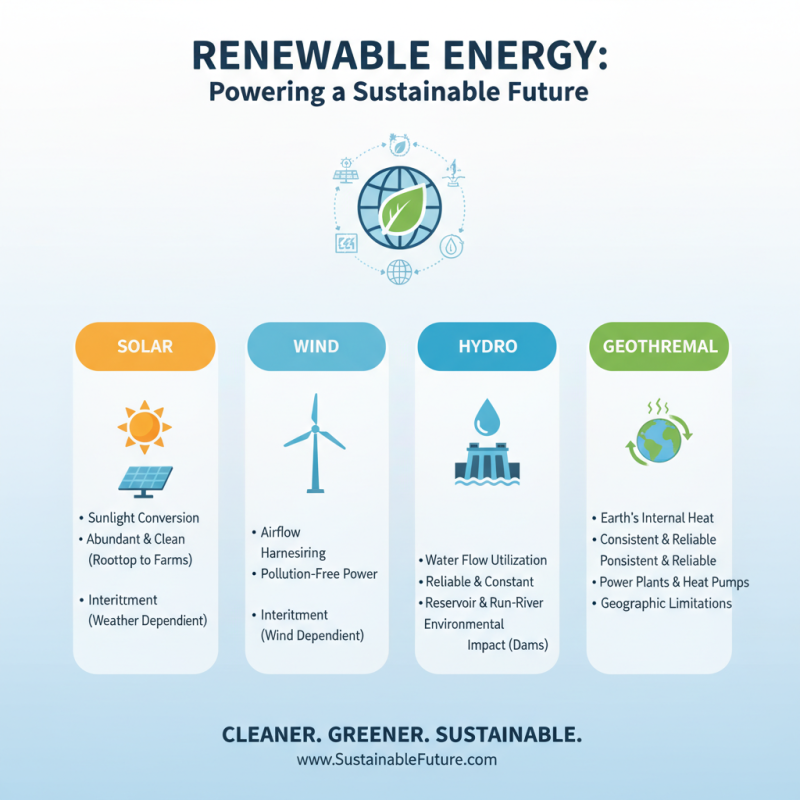
Renewable energy sources are essential for a sustainable future. They offer cleaner alternatives to fossil fuels and help reduce greenhouse gas emissions. Solar, wind, hydro, and geothermal energy are some popular options. Each source has unique benefits and challenges.

Solar energy harnesses sunlight using photovoltaic cells. It can power homes and businesses. However, its efficiency depends on location and weather. Wind energy captures power from wind currents. Wind farms generate electricity, yet they can disrupt local wildlife.

Tips: Consider using solar panels in your home. They can significantly reduce energy bills. Always assess local regulations before installation.

Hydro power relies on water flow, providing a stable energy source. It's efficient but can affect aquatic ecosystems. Geothermal energy taps into the Earth's heat, offering an incredibly sustainable option. Though, startup costs can be high.

Some renewable sources still face obstacles. Not all regions are suitable for every energy type. Storage and distribution systems are vital for managing supply. Balancing these factors is crucial in promoting renewable energy adoption.

Solar Energy: Harnessing the Power of the Sun

Top 10 Renewable Energy Sources for a Sustainable Future?

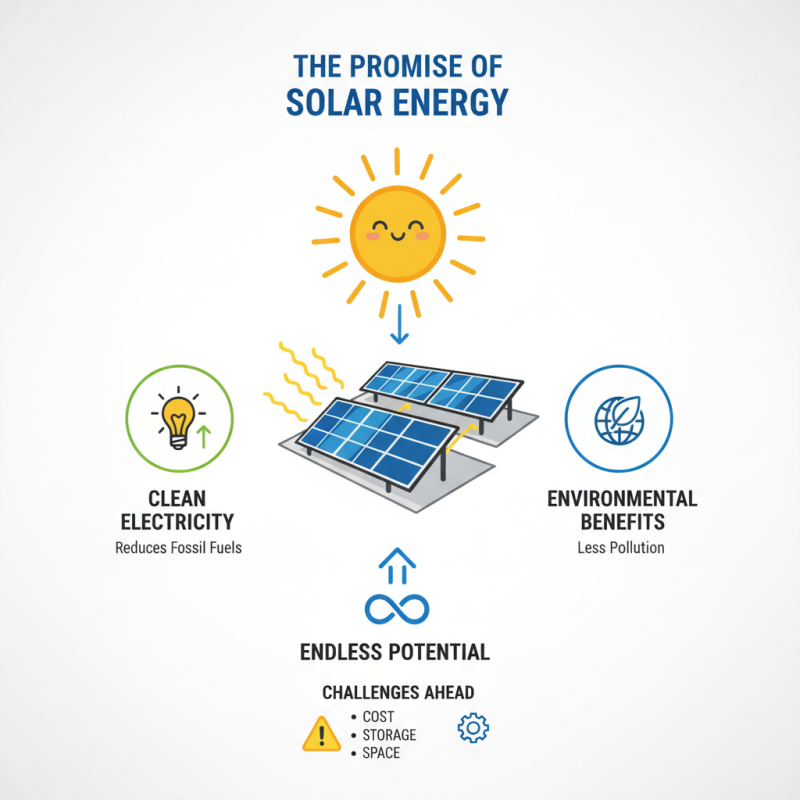
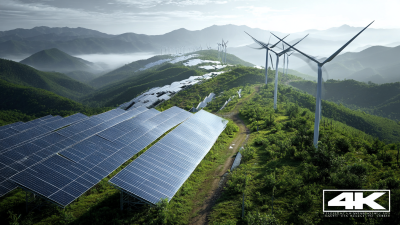
Solar energy stands out as one of the most promising renewable resources. It captures sunlight through panels and converts it into electricity. This process reduces reliance on fossil fuels, which pollute our environment. The potential seems endless. However, many challenges exist.

Installation costs remain high, despite decreasing prices in recent years. Not everyone can afford solar panels. Some regions receive less sunlight, limiting energy production. Storage solutions for excess energy are still developing. Without effective batteries, solar energy can be unreliable, especially during cloudy days.

Furthermore, the manufacturing of panels can be resource-intensive. It raises questions about the sustainability of production. We need better recycling methods for expired panels. Moving forward, society must weigh the benefits against these concerns. Embracing solar energy requires careful consideration and innovation. Potential remains, but we must address these dilemmas for a truly sustainable future.

Wind Energy: Capturing Natural Breeze for Electricity

Wind energy stands out as a powerful renewable resource. By harnessing the natural breeze, we can convert kinetic energy into electricity. According to the Global Wind Energy Council, wind power capacity reached over 743 gigawatts in 2020. This marks a significant increase in the shift toward sustainable energy solutions.

However, the growth of wind energy has its challenges. Installation costs can be high, and maintenance requires specialized skills. Additionally, the visual impact of wind turbines often faces public opposition. Some studies suggest that wind farms can disrupt local wildlife habitats, raising concerns about their environmental footprint.

Despite these issues, the potential is immense. Wind turbines can generate electricity at prices as low as $30 per megawatt-hour. This makes wind power one of the most cost-effective energy sources available. Policymakers and industry leaders must balance growth with ecological concerns. Addressing these complexities will be key for a sustainable future powered by wind energy.

Hydropower: Utilizing Water Flow for Sustainable Energy

Hydropower harnesses the energy of flowing water, making it a powerful renewable resource. Dams and rivers capture kinetic energy, converting it into electricity. This process relies heavily on water availability, which can be unpredictable due to climate change. Seasonal variations often affect water levels, leading to fluctuating energy production.

Hydropower can have significant ecological impacts. River ecosystems may be disrupted, affecting local wildlife and habitats. Fish populations sometimes decline when their migration paths are blocked by dams. Additionally, sediment flow can be altered, which has long-term consequences for river health. These factors raise questions about the trade-offs involved in hydropower development.

Despite these challenges, hydropower remains a cornerstone of renewable energy. It offers a reliable energy source capable of meeting large demands. However, ongoing assessments are necessary to balance energy needs with ecological sustainability. The future of hydropower depends on finding innovative solutions to mitigate its impacts while maximizing its benefits.

Geothermal and Biomass: Alternative Renewable Energy Solutions

Geothermal energy harnesses the Earth’s internal heat. It can provide a stable energy supply. According to the International Renewable Energy Agency (IRENA), geothermal energy could deliver 200 GW of installed capacity by 2030. However, the potential remains underutilized. Some regions lack the necessary technology and investment.

Biomass energy utilizes organic materials. Wood, agricultural residues, and waste are common sources. This energy form can help reduce greenhouse gas emissions. The Food and Agriculture Organization estimates that biomass could fulfill 10% of global energy needs by 2050. Yet, over-reliance raises concerns about land use. The competition for food resources must be considered.

Both geothermal and biomass energy contribute to sustainability. They can enhance energy security in many regions. Nonetheless, relying solely on these resources may create economic and environmental challenges. Balancing their use with other renewable sources is vital for a truly sustainable future. Addressing these complexities is crucial for effective energy policies.

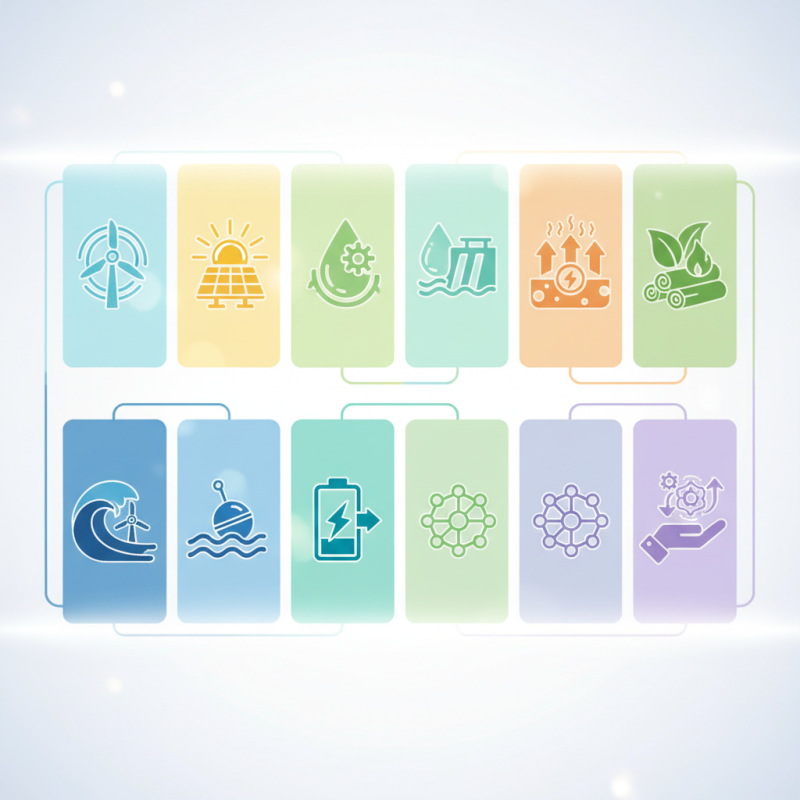
Top 10 Renewable Energy Sources for a Sustainable Future

Energy Source Description Advantages Challenges Potential (% of Global Energy)
Geothermal Energy Heat extracted from the Earth’s interior. Reliable, low emissions, small land footprint. Geographically limited, high initial costs. 13%
Biomass Energy Organic materials used as fuel. Widely available, carbon-neutral potential. Land use competition, emissions from combustion. 15%
Solar Energy Energy harnessed from the sun’s rays. Abundant, decreasing costs, technology advancements. Intermittent supply, land requirement for solar farms. 30%
Wind Energy Energy from wind through turbines. Cost-effective, scalable, reduces fossil fuel dependence. Noise, impact on wildlife, visual pollution. 22%
Hydropower Electricity generated from flowing water. Reliable, high efficiency, low emissions. Ecosystem impact, displacement issues. 16%
Tidal Energy Energy from the movement of tides. Predictable, minimal emissions. High costs, limited sites. 3%
Hydrogen Energy Energy from hydrogen through combustion or fuel cells. Versatile, clean energy source. Storage challenges, production emissions. 10%
Nuclear Fusion Energy released from fusion reactions. Abundant fuel supply, minimal waste. Technology still in development, costs. Varies; potential is significant.
Waste-to-Energy Generating energy from incinerating waste. Reduces landfill, generates energy. Emissions, public opposition. 5%
Solar Thermal Energy Heat energy generated from solar energy. High efficiency, storage options. High initial costs, land requirements. 7%
We are crowdfunding!
Privacy Overview

This website uses cookies so that we can provide you with the best user experience possible. Cookie information is stored in your browser and performs functions such as recognising you when you return to our website and helping our team to understand which sections of the website you find most interesting and useful.

Find out more about Kitepower's privacy policy