Top 10 Wind Turbine Benefits You Need to Know?

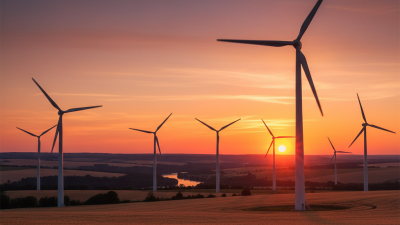
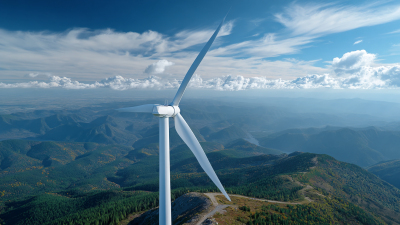
Wind turbines play a vital role in the shift toward renewable energy. They harness the power of the wind, transforming it into clean electricity. This technology has advanced significantly over the years. It now boasts efficiency and effectiveness in generating energy.

The benefits of wind turbines extend beyond just energy production. They contribute to job creation in many regions. Local economies can thrive due to the investments in wind energy. Additionally, wind turbines reduce greenhouse gas emissions, helping combat climate change.

Many people overlook the potential noise and aesthetic concerns associated with wind turbines. While they can disrupt local wildlife habitats, improvements are continuously being made. Understanding both the advantages and challenges is essential for making informed decisions. Wind turbines may not be perfect, but their role in a sustainable future is undeniable.
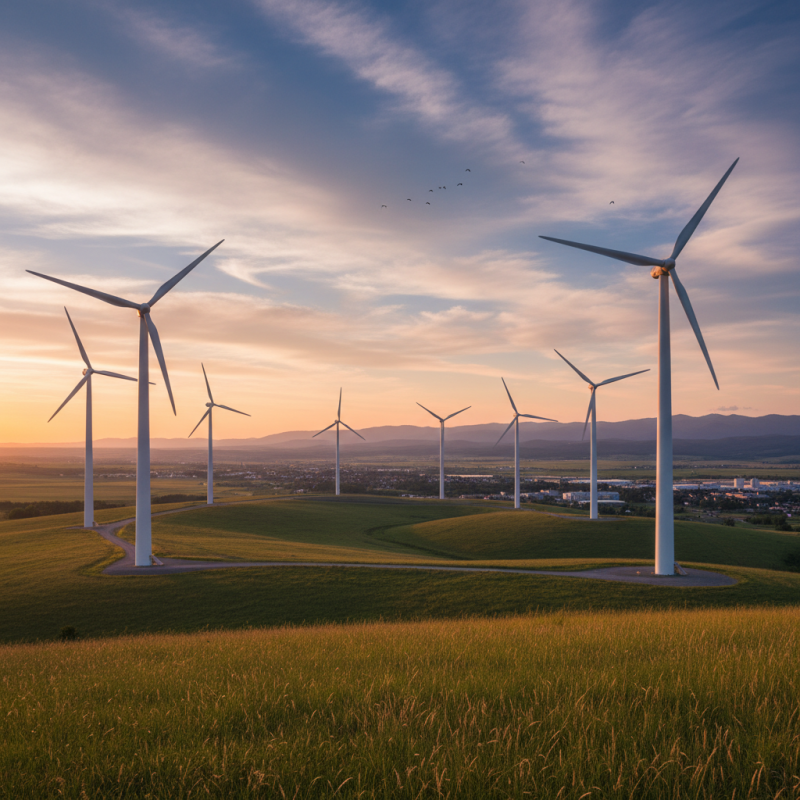
Top 10 Wind Turbine Benefits You Need to Know?

Advantages of Wind Turbines in Renewable Energy Generation

Wind turbines play a vital role in renewable energy generation. They convert wind energy into electricity. In 2020, wind energy accounted for about 8.4% of total U.S. electricity generation. This percentage is expected to grow as the technology advances. Wind power is clean and reduces greenhouse gas emissions. It avoids emitting over 3 billion tons of CO2 annually, contributing significantly to climate goals.

Cost-effectiveness is another key benefit. The levelized cost of energy (LCOE) for onshore wind has dropped by nearly 70% since 2009. This makes it one of the cheapest sources of new electricity. However, challenges remain. Wind availability can be inconsistent. Areas without strong winds may not benefit as much. Maintenance costs can also be higher in remote locations.

Job creation is a notable advantage, too. The wind sector employed over 116,000 workers in the U.S. in 2019. Yet, many regions lack skilled labor for installation and maintenance. Educating the workforce is essential. More efforts are needed to bridge this gap. Enhancing the technology and understanding its downsides is crucial for sustainable growth in the wind energy sector.

Top 10 Wind Turbine Benefits You Need to Know

Benefit Description Environmental Impact
Renewable Energy Source Wind energy is a clean and renewable resource that reduces dependence on fossil fuels. Reduces greenhouse gas emissions and air pollution.
Low Operational Costs After installation, wind turbines have low maintenance and operational costs. Less resource consumption translates to minimal environmental impact.
Job Creation The wind industry creates jobs in manufacturing, installation, and maintenance. Promotes economic growth and sustainable development.
Energy Independence Utilizing wind energy reduces reliance on imported fuels. Enhances national security by stabilizing energy supply.
Scalability Wind farms can range from small to large scale, fitting various needs. Flexibility in design minimizes disruption to the environment.
Land Use Wind turbines can be installed on agricultural land without significant disruption. Supports land conservation and sustainable farming practices.
Technological Advancements Continuous improvements in turbine efficiency and energy output. Increases energy production with minimal ecological footprint.
Contribution to Grid Stability Wind energy helps balance supply and demand on the electricity grid. Promotes a diverse energy mix for resilience against outages.
Climate Benefits Wind power helps mitigate the effects of climate change. Significantly lowers carbon footprint and environmental degradation.
Public Support Growing public awareness and support for clean energy solutions. Fosters community engagement and environmental stewardship.

Economic Benefits: Job Creation and Investment in Local Economies

Wind energy projects generate substantial economic benefits. Research shows that the wind industry has created over 100,000 jobs in various sectors, including manufacturing, construction, and maintenance. These jobs not only support families but also revitalize local economies. According to the U.S. Department of Energy, investments in wind energy could lead to over $85 billion in new capital investments by 2030.

Communities near wind farms see increased revenue from tax incentives. These funds can support schools, roads, and public services. For instance, a report by the National Renewable Energy Laboratory (NREL) highlights that local governments in wind-rich areas have gained millions in tax revenue. This income is vital for sustaining local infrastructures.

However, the landscape is not without challenges. Communities can face resistance due to aesthetic concerns and environmental impacts. There is also the need for proper training programs to support the workforce. Ensuring that benefits are widely shared remains a critical task for industry stakeholders. Balancing community interests with economic growth is essential for the success of future projects.

Environmental Impact: Reducing Carbon Footprint and Air Pollution

Top 10 Wind Turbine Benefits You Need to Know?

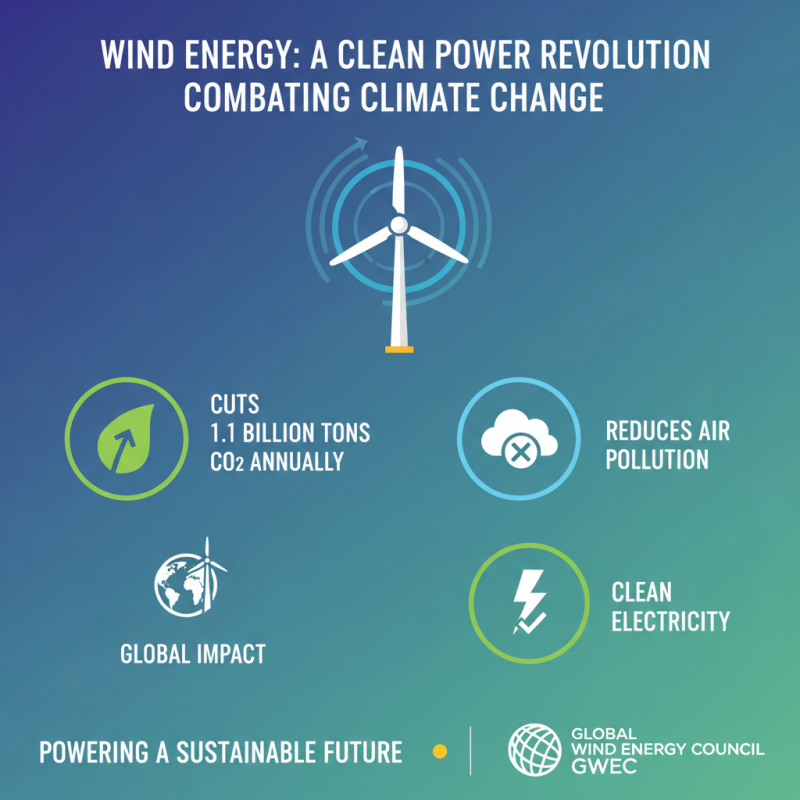
Wind turbines play a crucial role in reducing carbon emissions. According to the Global Wind Energy Council, wind energy can cut carbon dioxide emissions by over 1.1 billion tons annually. This clean energy source helps combat climate change significantly. The ability to generate power without harming air quality is a prominent advantage of wind power.

Air pollution remains a severe threat. The World Health Organization attributes millions of premature deaths to polluted air. Transitioning to wind energy can drastically decrease reliance on fossil fuels. In fact, studies show replacing coal with wind energy can reduce harmful pollutants by 75%. This transformation can lead to cleaner air and healthier communities.

**Tips:** Consider local policies that promote wind energy. Engage with community initiatives that focus on sustainability. Explore educational resources to deepen your understanding of wind technology. While wind energy offers numerous benefits, challenges remain. Noise and visual impact are concerns for some communities. Addressing these issues requires open dialogue and innovative solutions.

Energy Independence: Decreasing Dependence on Fossil Fuels

Wind turbines are a powerful tool for achieving energy independence. By harnessing wind energy, communities can reduce their reliance on fossil fuels. This shift supports local economies and increases energy security. When the wind blows, energy is generated on-site, minimizing transmission losses. It's a sustainable approach to energy that helps combat climate change.


Tips: Consider installing small wind turbines on your property. They can provide reliable power while reducing monthly energy bills. You might also explore local initiatives that encourage wind energy adoption. Connecting with your community can amplify these efforts.


Switching to wind energy isn't without challenges. Initial setup costs can be daunting. Maintenance and site selection require careful planning. However, the long-term benefits often outweigh these hurdles. Investing in wind energy can lead to lower energy prices and a cleaner environment. Each turbine installed is a step toward a more sustainable future.

Technological Advancements: Increasing Efficiency and Lower Costs of Production

Top 10 Wind Turbine Benefits You Need to Know?

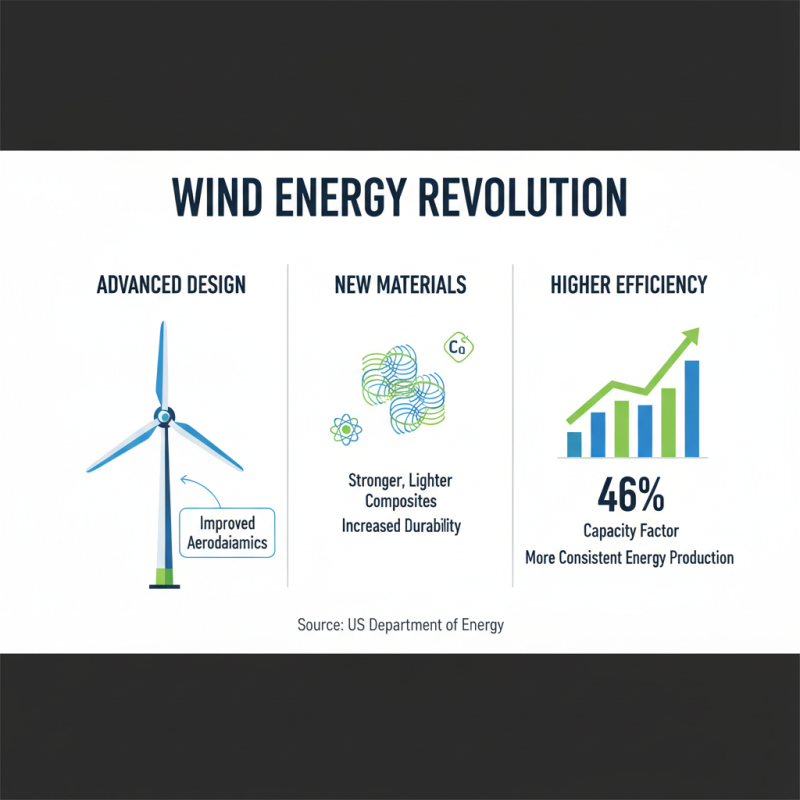
Technological advancements are transforming wind energy. New designs and materials have greatly increased turbine efficiency. According to the U.S. Department of Energy, the capacity factor for wind projects has risen to 46% in some regions. This means turbines are producing energy more consistently than ever before.

Costs are also declining. The average price of wind energy fell by 70% over the past decade. With improvements in manufacturing, the cost per megawatt has decreased, making wind power more competitive. The levelized cost of energy (LCOE) for onshore wind dropped to about $30 per megawatt-hour in 2020. This trend may continue as technology progresses.

**Tip:** Regular maintenance is crucial. Even as technology advances, neglecting upkeep can lead to inefficiencies.

Wind turbine size is also growing, leading to higher outputs. Modern turbines can produce more energy from lower wind speeds. These developments make wind energy a key player in renewable resources. However, local environmental impacts need consideration.

**Tip:** Assess your location's wind potential carefully. Not every site will suit large-scale turbines, despite the advancements.

We are crowdfunding!
Privacy Overview

This website uses cookies so that we can provide you with the best user experience possible. Cookie information is stored in your browser and performs functions such as recognising you when you return to our website and helping our team to understand which sections of the website you find most interesting and useful.

Find out more about Kitepower's privacy policy