In today's world, the importance of enhancing the sustainability and efficiency of energy supply systems has never been more critical. With rising energy demands and the increasing urgency of combating climate change, industry experts stress the need for innovative solutions that can significantly impact our energy landscape. As Dr. Emma Carter, a leading energy supply analyst, aptly stated, "The future of energy supply hinges on our ability to embrace sustainable practices and technologies that not only fulfill our current needs but also protect the planet for generations to come."
To navigate this complex challenge, it is essential to explore top strategies that can lead us toward a more resilient and efficient energy supply. From integrating renewable energy sources to improving existing infrastructure, the shift towards sustainable energy practices requires a multi-faceted approach. Engaging stakeholders from various sectors, leveraging advanced technologies, and implementing smart policies will be crucial in fostering a robust energy supply system that meets both economic and environmental goals.
As we delve into the strategies for enhancing energy supply sustainability and efficiency, it becomes evident that collaboration and innovation are paramount. By prioritizing these elements, we can create an energy landscape that not only sustains our growing population but also aligns with our climate commitments. The transition to a more sustainable energy supply is not just an option; it is a necessity for a sustainable future.
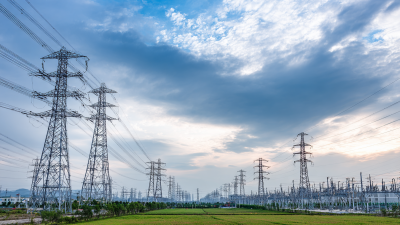
The current energy supply landscape faces significant sustainability challenges that undermine efforts to transition to a more efficient and environmentally-friendly model. One major issue is the dependency on fossil fuels, which not only contributes to greenhouse gas emissions but also exposes supply chains to geopolitical tensions and price volatility. The majority of the world's energy consumption still relies heavily on these non-renewable resources, creating an urgent need for targeted policies and investment in cleaner energy alternatives. Moreover, the infrastructure for energy distribution often lags behind advancements in renewable technologies, leading to inefficiencies and wastage.
Another critical challenge is the integration of renewable energy sources into existing grids. While renewable technologies such as solar and wind have matured, their intermittent nature requires significant advancements in energy storage and grid management. Current systems often struggle to accommodate the variability of these energy sources, resulting in potential blackouts and energy surpluses that cannot be properly utilized. Furthermore, regulatory frameworks frequently do not incentivize innovations needed to enhance grid resilience and adaptability, stifling progress toward a more sustainable energy supply. Addressing these challenges demands collaborative efforts among governments, industries, and communities to create a balanced approach that promotes efficiency while safeguarding the environment.
| Strategy | Sustainability Challenge | Efficiency Improvement (%) | Implementation Cost (USD) | Expected ROI (Years) |
|---|---|---|---|---|
| Renewable Energy Integration | Dependence on Fossil Fuels | 30% | 500,000 | 5 |
| Smart Grid Technologies | Energy Losses in Transmission | 25% | 300,000 | 4 |
| Energy Storage Solutions | Intermittency of Renewable Sources | 40% | 800,000 | 6 |
| Demand Response Programs | Peak Load Management | 15% | 200,000 | 3 |
| Energy Efficiency Retrofits | Old Infrastructure | 20% | 700,000 | 4 |
Innovative technologies play a pivotal role in enhancing energy efficiency during the generation process. One significant advancement is the integration of smart grid systems, which facilitate real-time monitoring and management of energy flow. By utilizing advanced sensors and smart meters, these systems allow for better demand forecasting and reduce energy waste through optimized distribution. This not only improves the reliability of energy supply but also enhances the capacity to integrate renewable energy sources, thus fostering a more sustainable energy landscape.
Additionally, breakthroughs in energy conversion technologies, such as combined heat and power (CHP) systems and advanced turbine designs, have made conventional generation methods more efficient. CHP systems efficiently produce electricity and thermal energy simultaneously, maximizing the use of fuel. Furthermore, enhanced turbine designs increase the energy extraction from various fuel sources, reducing emissions and lowering operational costs. By adopting these innovative technologies, energy providers can significantly diminish their environmental impact while ensuring a more resilient and efficient supply chain.
The integration of renewable energy sources into the existing energy supply framework is essential for enhancing sustainability and efficiency. One effective strategy is the development of smart grids that can dynamically manage the flow of energy from various renewable sources such as solar, wind, and hydro. By employing advanced sensors and automated systems, smart grids facilitate real-time monitoring and optimize energy distribution. This not only minimizes energy loss during transmission but also allows for the seamless incorporation of variable renewable resources, thereby improving overall grid resilience.
Additionally, energy storage technologies play a crucial role in supporting renewable integration. Implementing large-scale battery storage systems can help mitigate the intermittency associated with sources like solar and wind. These storage solutions allow excess energy generated during peak production times to be stored and released when demand is high or production drops. Coupled with energy management systems that prioritize energy use based on availability, this approach significantly enhances both sustainability and efficiency by reducing reliance on fossil fuel back-up systems and enabling a greater share of clean energy in the overall mix.
A robust policy framework is essential for fostering sustainable energy practices that enhance energy supply sustainability and efficiency. Governments and regulatory bodies need to establish comprehensive policies that incentivize the adoption of renewable energy technologies, promote energy efficiency measures, and encourage innovative solutions in the energy sector. This can include tax credits, grants, and favorable loans for projects that focus on sustainability. Additionally, implementing stringent energy efficiency standards for buildings and appliances can significantly reduce energy consumption, contributing to overall sustainability goals.
Moreover, collaboration across various sectors plays a crucial role in shaping effective energy policies. Engaging stakeholders, including private enterprises, non-governmental organizations, and local communities, ensures that policies are well-informed and tailored to meet specific regional needs. Creating platforms for dialogue helps align interests and facilitates knowledge sharing on best practices in sustainable energy. Policymakers should also prioritize research and development efforts to advance clean energy technologies and establish long-term frameworks for energy transition that can adapt to changing circumstances and emerging challenges. This integrated approach promotes a more sustainable energy supply while maximizing efficiency across the board.
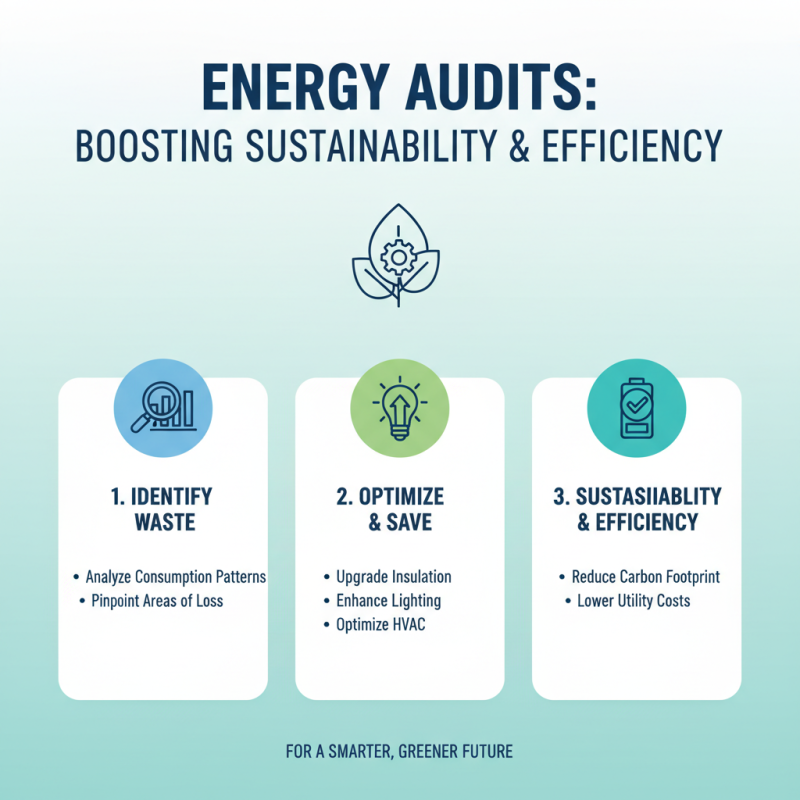
Effective energy management is essential for both industries and households to enhance sustainability and efficiency. One of the best practices in this regard is the adoption of energy audits. Conducting regular energy audits allows organizations and homeowners to identify energy consumption patterns and pinpoint areas of waste. By analyzing this data, stakeholders can implement targeted measures such as upgrading insulation, enhancing lighting systems, or optimizing heating and cooling settings, leading to significant energy savings.
Another key strategy involves the integration of smart technologies. In industrial settings, advanced monitoring systems can track energy usage in real-time, providing insights that help manage resources more effectively. For households, smart thermostats and energy-efficient appliances can automatically adjust energy consumption based on use patterns, ensuring that energy is used more judiciously. Additionally, educating employees and family members about energy conservation practices fosters a culture of sustainability, encouraging everyone to partake in daily efforts to reduce consumption.
Furthermore, utilizing renewable energy sources can dramatically improve overall energy sustainability. For industries, incorporating solar panels or wind turbines not only reduces dependence on non-renewable resources but also minimizes carbon footprints. Households can also benefit from similar initiatives, engaging in community solar programs or investing in small-scale renewable energy solutions. By embracing these best practices, both industries and homes can play a pivotal role in advancing energy sustainability and efficiency.