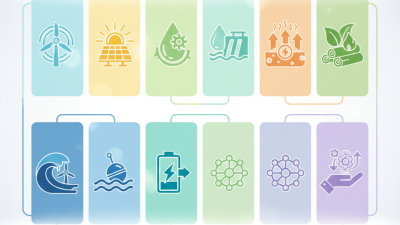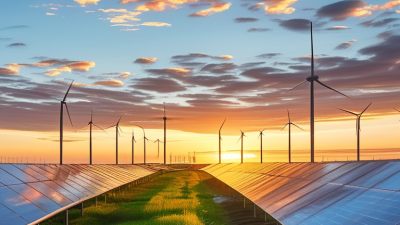
In recent years, China has emerged as a leader in renewable energy sources. With its vast geographical diversity, the nation holds immense potential to harness these resources effectively. According to Dr. Lin Zhang, a renowned expert in sustainable energy, “China has the ability to revolutionize the global energy landscape through its renewable resources.”
As the world shifts towards sustainable energy, China’s potential is critical. Solar, wind, hydroelectric, and biomass energy are just a few areas where the country excels. Each of these renewable energy sources presents unique opportunities and challenges. Implementing these solutions can lead to significant reductions in carbon emissions. However, there are still hurdles to overcome, including infrastructure and investment needs.
Ultimately, understanding the top renewable energy sources that China can provide will illuminate pathways for future development. Engaging in thoughtful discussions about these resources can lead to innovative solutions. The journey toward embracing renewable energy sources is complex, yet the potential rewards are monumental. However, mindful consideration is necessary to ensure these initiatives are both effective and sustainable.
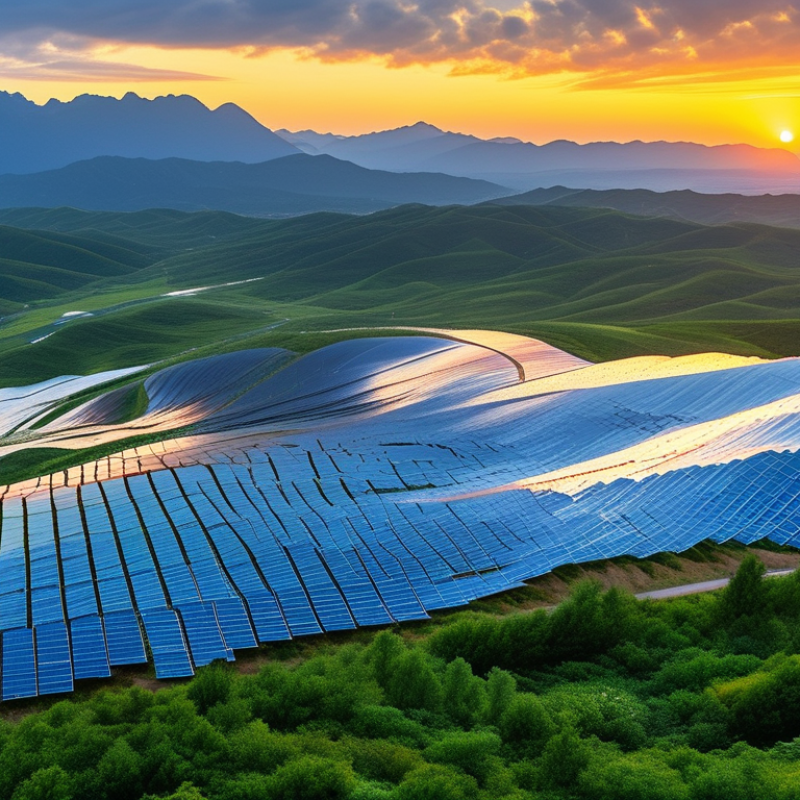
China is rapidly emerging as a leader in renewable energy. The nation ranks first in solar and wind power installation globally. According to the International Energy Agency (IEA), China accounted for about 45% of global solar capacity in 2022. This robust growth reflects China's commitment to reducing carbon emissions and promoting sustainable energy sources.
Hydropower is another significant player in China's renewable landscape. With vast river systems, China has harnessed considerable hydropower potential. Over 20% of the country's electricity comes from hydropower plants, showcasing the efficiency of this renewable resource. However, there have been concerns about ecological impacts, particularly regarding biodiversity in affected areas.
The growth of renewable energy requires careful planning. Policymakers need to address challenges. Infrastructure development is crucial. Regions must be connected to utilize these energy sources effectively. Local communities also need education on renewable technologies to foster public support. Engaging citizens can aid in overcoming resistance to new developments, creating a more sustainable future.
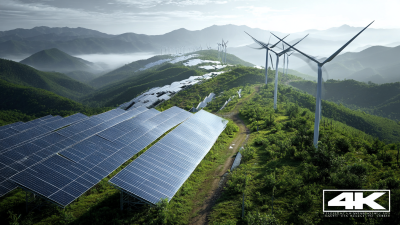
China has immense potential for solar energy development. With vast land areas and high solar irradiance in many regions, there are abundant opportunities. It’s estimated that solar energy could contribute significantly to China's energy mix by 2030. Solar panels are becoming more efficient, which can lead to increased energy output.
However, challenges remain. Infrastructure for solar energy needs improvement. Integrating solar power into the existing grid can be complex. Many rural areas still lack access to reliable energy sources. Additionally, there’s the question of land use. Balancing solar farms with agricultural needs is essential for sustainability.
The future looks promising. Government policies support renewable energy projects. Investing in research and development can boost solar technology. Yet, careful consideration of environmental impacts is necessary. Finding solutions for recycling solar panels is vital. Reflecting on these challenges, China has the potential to lead in solar energy but must navigate these complexities thoughtfully.
China stands out as a leader in wind energy, harnessing vast resources to support its growing energy needs. With extensive coastlines and favorable wind patterns, the country has invested heavily in wind energy infrastructure. Wind farms now dot landscapes across various provinces. This transition helps reduce reliance on fossil fuels.
In recent years, China's emphasis on technology has led to significant advancements in wind turbine design. The country's engineers continue to improve efficiency and reliability. These innovations are crucial as they contribute to reducing costs over time. Nevertheless, challenges remain. The integration of wind energy into existing grids sometimes causes inefficiencies. Balancing energy supply and demand is still a work in progress.
Consider conducting regular maintenance on wind turbines. This practice enhances their longevity and performance. Monitoring local weather patterns can also optimize energy output. Understanding seasonal variations aids in better planning and resource management. Observing these practices will strengthen the reliability of wind energy as part of China’s broader renewable energy strategy.
Hydropower stands as China's most prominent renewable energy source. The country boasts an exceptional amount of hydropower potential due to its vast river systems and diverse topography. By harnessing flowing water, China generates significant electricity, greatly reducing reliance on fossil fuels. This energy source is not only abundant but also relatively clean, offering environmental benefits compared to traditional energy methods.
However, the reliance on hydropower has its drawbacks. Large dam projects can displace communities and alter local ecosystems. The Three Gorges Dam, while a symbol of engineering success, also raises concerns regarding biodiversity and sediment flow. As China continues to expand its hydropower capacity, it must navigate these challenges carefully. Balancing development and environmental health is crucial for sustainable energy growth.
The future of hydropower in China hinges on innovation. New technologies could optimize water management and minimize ecological impacts. In addition, improved maintenance and operations can enhance existing facilities' efficiency. China's approach to hydropower needs a focus on sustainable practices, ensuring energy needs and ecological preservation go hand in hand. As the world shifts towards greener energy, China's hydropower journey offers vital lessons in both achievement and caution.
China is exploring numerous renewable energy sources, with biomass and geothermal energy standing out for their potential. Biomass energy, derived from organic materials, can significantly reduce waste while generating power. Agricultural residues and forestry waste are abundant in China, offering a sustainable energy source. In rural areas, biomass can be used for local energy generation.
Geothermal energy, harnessed from the Earth's heat, also presents exciting opportunities. China has extensive geothermal resources, particularly in its western regions. These resources can be tapped for heating and electricity. The technology to utilize geothermal energy is improving, making it more accessible. However, investment and infrastructure development are crucial for growth.
Reflecting on these opportunities, stakeholders must consider the environmental impact. While biomass reduces waste, it must not compromise food supply. Furthermore, geothermal projects require careful site selection to minimize risks. Engaging local communities can boost project success and acceptance. Understanding these complexities is vital for sustainable energy development in China.
| Energy Source | Potential Capacity (GW) | Current Contribution (%) | Growth Rate (2019-2023) (%) | Investment (Billion USD) |
|---|---|---|---|---|
| Solar Energy | 500 | 12 | 20 | 110 |
| Wind Energy | 350 | 10 | 15 | 90 |
| Hydropower | 1000 | 18 | 5 | 70 |
| Biomass Energy | 45 | 3 | 12 | 8 |
| Geothermal Energy | 15 | 1 | 10 | 2 |
| Nuclear Energy | 65 | 4 | 3 | 30 |
| Tidal Energy | 10 | 0.5 | 8 | 1 |
| Hydrogen Energy | 20 | 0.3 | 7 | 5 |
| Waste to Energy | 30 | 2 | 6 | 4 |
| Biogas | 25 | 1.5 | 9 | 3 |