
In recent years, the demand for renewable energy has surged. The Photovoltaic Module plays a pivotal role in harnessing solar power. Dr. Emily Thorn, a leading expert in solar technology, once stated, “Photovoltaic Modules are the heart of solar energy systems.” This emphasizes their fundamental importance in converting sunlight into electricity.
Photovoltaic Modules consist of numerous solar cells. These cells work together to capture solar energy. This conversion process may seem straightforward. However, it is filled with complexities. The efficiency and longevity of these modules can vary significantly. Many factors influence their performance, such as temperature and angle of sunlight. Thus, understanding their function is essential for users and manufacturers alike.
The technology behind Photovoltaic Modules continues to evolve. Innovations promise higher efficiency and lower costs. However, challenges remain. Many individuals still have misconceptions about how these modules operate. Educating the public is crucial for broader adoption. Solar energy holds great potential, but only if we recognize the importance of the Photovoltaic Module.
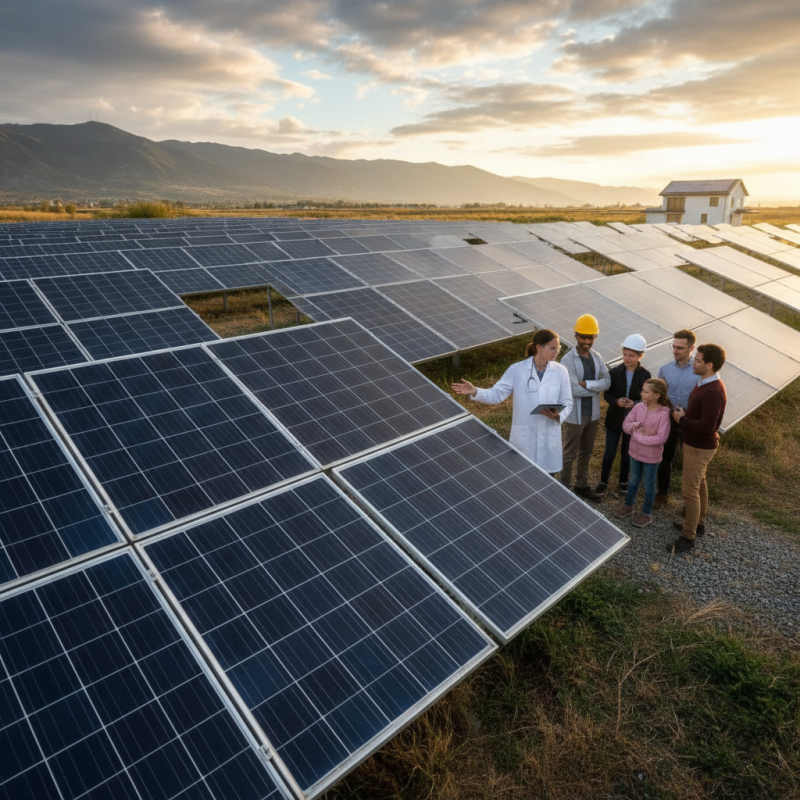
Photovoltaic modules, commonly known as solar panels, are critical components in converting sunlight into electricity. They are made up of many smaller units called solar cells. Each cell contains semiconductors like silicon, which have properties that enable them to generate electricity when exposed to light. According to the International Renewable Energy Agency (IRENA), the global solar capacity reached over 700 GW by the end of 2021, showing significant growth.
A photovoltaic module typically consists of a protective layer that guards against weathering and damage. This layer ensures durability and efficiency. The average efficiency of commercial solar panels ranges from 15% to 22%. However, with advancements in technology, some can achieve efficiencies above 23%. Yet, not all areas receive optimal sunlight. Regions with frequent rainfall or cloud cover face challenges in maximizing output.
The installation of photovoltaic modules has costs associated with it. While solar energy is becoming more affordable, the initial setup requires consideration. Also, while solar farms generate clean energy, they occupy large land areas, potentially impacting local ecosystems. It’s crucial to balance energy production with environmental concerns, making thoughtful planning essential for sustainable growth.
A photovoltaic module consists of several key components. At its core are solar cells, which convert sunlight into electricity. These cells are usually made of silicon, a material that is abundant and effective for this purpose. The arrangement of these cells determines the module's overall efficiency and power output. Understanding this configuration is crucial.
Photovoltaic modules, commonly known as solar panels, play a crucial role in harnessing solar energy. They convert sunlight into electricity using semiconductor materials, primarily silicon. When sunlight hits the modules, it excites electrons, creating an electric current. This process, known as the photovoltaic effect, is fundamental to solar power generation.
Data from the International Energy Agency indicates that solar energy could provide 27% of global electricity by 2050. However, efficiency rates of photovoltaic modules typically range from 15% to 22%. This means that while much sunlight is available, not all of it is converted into usable energy. Some modules struggle with shading, dirt, or poor orientation, leading to significant energy losses.
Moreover, the production of these modules comes with challenges. The environmental impact of mining silicon is a concern. Further, the recycling of old panels is not well established, which raises questions about sustainability. As the industry grows, improving efficiency and addressing these issues will be crucial for long-term viability.
Photovoltaic modules, also known as solar panels, convert sunlight into electricity. Their efficiency depends on several factors. Understanding these factors can enhance energy production and sustainability.
One key factor is temperature. Higher temperatures can reduce the efficiency of solar cells. This might seem counterintuitive because sunlight powers them. However, excessive heat causes a drop in voltage, lowering overall output. A well-ventilated mounting system can help mitigate this issue.
Another important aspect is the angle of the panels. Photovoltaic modules should be installed at an optimal tilt for maximum sunlight exposure. This changes with seasons, so adjusting angles might be necessary. In some cases, fixed angles might not capture the full potential of solar energy.
**Tip:** Regularly clean the surface of the panels. Dust and dirt accumulation can obscure sunlight, leading to lower efficiency. A simple rinse with water can make a difference.
Shading is another concern. Nearby trees or buildings can block sunlight. It’s wise to assess the installation site before placing solar panels. Poor placement may hinder performance in the long run.
**Tip:** Use tools or apps to analyze potential shading throughout the day. This can save time and resources later.
Each of these factors plays a vital role. Being aware of them can enhance the efficiency of photovoltaic modules, maximizing energy generation. Experimentation and regular monitoring can reveal opportunities for improvement.
| Factor | Description | Impact on Efficiency |
|---|---|---|
| Temperature | High temperatures can reduce the voltage output of a photovoltaic module. | Inverse relationship; efficiency generally decreases as temperature increases. |
| Incident Light Angle | The angle at which sunlight hits the module affects the amount of energy absorbed. | Optimal angles maximize energy absorption and therefore efficiency. |
| Dust and Dirt | Accumulation can block sunlight from reaching the cells. | Decreases efficiency as less light is absorbed by the cells. |
| Shading | Shadows from trees, buildings, or other structures can reduce power output. | Significantly reduces efficiency depending on the extent and duration of shading. |
| Module Quality | Higher quality materials and manufacturing processes can enhance performance. | Directly correlated; better quality typically means higher efficiency. |
| Cell Type | Different photovoltaic technologies (e.g., monocrystalline, polycrystalline) have varying efficiencies. | Certain types achieve higher efficiencies under diverse environmental conditions. |
Photovoltaic modules are integral to harnessing solar energy. These modules convert sunlight into electricity through the photovoltaic effect. Their applications span various sectors, from residential rooftops to large-scale solar farms. In 2022, the global solar market reached over 1,100 GW of installed capacity. That growth reflects a surge in renewable energy adoption.
The benefits of photovoltaic modules are vast. They provide clean energy, reducing carbon footprints. Homes with solar panels can decrease electricity bills by 50% or more. Additionally, businesses that adopt solar energy can improve their corporate image, appealing to eco-conscious consumers. A report from the International Energy Agency noted that solar power could provide 30% of global electricity by 2030.
Tips: Consider the orientation of your roof when installing solar panels. A south-facing angle can capture more sunlight. Regular maintenance is key to optimal performance. Clean the panels several times a year to ensure efficiency.
While the advantages are clear, challenges remain. Not every location receives ample sunlight. The initial investment can be high. However, financial incentives and decreasing costs make solar a compelling option. Balancing these factors is essential for potential users.
This bar chart illustrates the efficiency percentages of photovoltaic modules across different application areas: Residential, Commercial, Industrial, and Utility Scale. As seen, utility-scale installations tend to have the highest efficiency due to optimized conditions and technology.