How to Harness Power Energy for Sustainable Living in 2025

In the face of escalating climate concerns and the pressing need for sustainable living, harnessing power energy is becoming increasingly critical as we approach the year 2025. As societies strive to balance growth and environmental stewardship, power energy stands at the forefront of innovative solutions that can transform how we generate, consume, and conserve energy. This evolution is not merely about reducing carbon footprints but also about embracing a holistic approach that integrates renewable resources, energy efficiency, and conservation strategies.

The journey towards sustainable living underscores the importance of utilizing power energy in ways that foster resilience and adaptability in our communities. By reimagining our energy systems, we can empower individuals and businesses alike to make informed choices that lead to a more sustainable future. This entails understanding the diverse forms of power energy available, from solar and wind to hydropower and emerging technologies, and how they can be effectively implemented in our daily lives and larger infrastructures. Ultimately, as we navigate the challenges and opportunities of the coming years, the commitment to harnessing power energy will be a pivotal factor in creating a better world for generations to come.
How to Harness Power Energy for Sustainable Living in 2025

Harnessing Renewable Energy Sources: Current Trends and Projections for 2025

How to Harness Power Energy for Sustainable Living in 2025

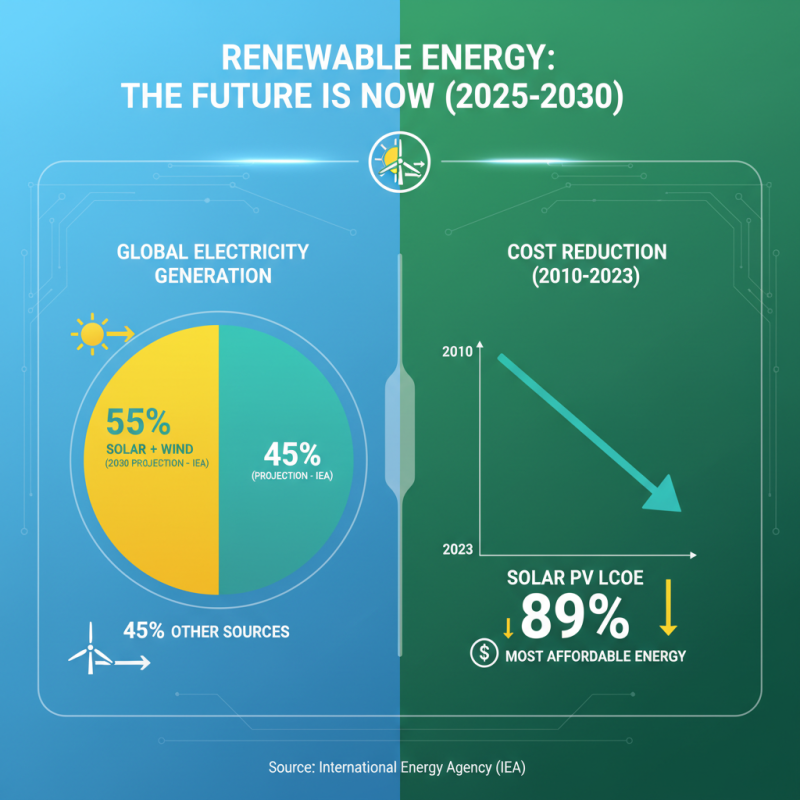
As we approach 2025, harnessing renewable energy sources has become imperative for sustainable living. Current trends indicate a significant shift towards solar and wind energy, which together are projected to constitute 55% of global electricity generation by the end of the decade, according to the International Energy Agency (IEA). This transformation is driven by advances in technology, which have drastically reduced the cost of renewable energy. For instance, the levelized cost of electricity (LCOE) for solar photovoltaics has dropped by 89% since 2010, making it one of the most affordable energy sources available today.

In parallel, the global energy landscape is witnessing an increase in investments in battery storage technologies. These innovations are essential for addressing the intermittency issues associated with renewable sources, allowing for more reliable energy supply. A report by BloombergNEF highlights that battery storage capacity could reach 1,000 GW by 2030, supporting the augmented deployment of renewables. Furthermore, governments worldwide are implementing policies and incentives to enhance renewable energy integration, contributing to a higher proportion of low-carbon solutions in their energy portfolios. These trends illustrate a collective effort to secure a sustainable energy future while combating climate change, with projections indicating that the share of renewables in energy consumption may rise to 30% by 2025.
Integrating Smart Technologies in Energy Systems for Greater Efficiency

As we move toward 2025, integrating smart technologies into energy systems is crucial for enhancing efficiency and fostering sustainable living. According to the International Energy Agency, digital technologies could help reduce energy consumption in buildings by up to 30% if widely adopted. By implementing smart meters, advanced energy management systems, and IoT devices, consumers can monitor energy usage in real-time, leading to informed decisions that lower waste, and ultimately, costs.

Tips for effective integration of smart technologies include conducting an energy audit to identify areas of improvement, investing in energy-efficient appliances that support connectivity, and exploring renewable energy sources such as solar panels that can be integrated into smart grids. Furthermore, participating in community energy programs can amplify the benefits of smart technology, creating a collaborative approach to energy efficiency.

The transition to smart energy systems not only enhances individual efficiency but also contributes to broader ecological goals. The World Economic Forum estimates that a shift toward smart energy solutions could decrease global carbon emissions by as much as 20% by 2030. Embracing these innovations is vital, as they empower both individuals and communities to make a significant impact on sustainable living practices, paving the way for a greener future.

The Role of Government Policies in Promoting Sustainable Energy Practices

In the effort to promote sustainable energy practices, government policies play a pivotal role by creating frameworks that incentivize the adoption of renewable technologies and encourage energy efficiency. According to the International Renewable Energy Agency (IRENA), global investment in renewable energy reached approximately $300 billion in 2020, driven largely by supportive policy environments. Governments around the world have begun implementing policies such as tax incentives, feed-in tariffs, and renewable portfolio standards to stimulate investment and deployment of clean energy solutions.

Moreover, the implementation of stringent regulations regarding carbon emissions has catalyzed the transition towards sustainable energy. The World Resources Institute reported that countries with strong regulatory policies saw a significant reduction in greenhouse gas emissions, illustrating the direct link between government action and environmental benefits. By establishing clear long-term energy goals, such as achieving net-zero emissions by 2050, policymakers can create a stable market that encourages innovation and attracts private sector investment. The alignment of economic recovery plans with sustainability goals is essential, as it not only addresses climate change but also provides economic resilience amid global uncertainties.

Consumer Behavior and its Impact on Energy Consumption Patterns by 2025

In 2025, consumer behavior will play a pivotal role in shaping energy consumption patterns and fostering sustainable living. As awareness of climate change increases, more consumers are prioritizing energy-efficient products and renewable energy sources. According to a report by the International Energy Agency, global energy-related CO2 emissions could decrease by 1.5 gigatons by 2025 if at least 50% of households adopt energy-efficient technologies, such as LED lighting and smart thermostats. This shift not only reflects a change in consumer preferences but also highlights the potential for significant reductions in energy consumption.

Moreover, the transition towards sustainable living will be driven by younger generations. A study published by Deloitte indicates that 73% of millennials and Gen Z consumers are willing to pay more for sustainable products. This purchasing behavior is expected to push companies toward transparency in their energy consumption and carbon footprints. As consumers continue to demand accountability, businesses will adapt their strategies and invest in clean energy sources to meet the evolving market dynamics. The outcome of these shifts in consumer behavior will be crucial for achieving significant energy reductions and accelerating the transition to a more sustainable future by 2025.

Energy Consumption Patterns in 2025

Innovative Storage Solutions: Key to Ensuring Energy Accessibility and Stability

As the world shifts towards a more sustainable future, innovative storage solutions play a pivotal role in enhancing energy accessibility and stability. According to the International Energy Agency (IEA), global energy storage capacity is expected to rise significantly, reaching 1,200 GWh by 2030. This surge is driven by the increasing demand for renewable energy sources, such as solar and wind, which are often intermittent. Effective storage technologies, including advanced batteries, pumped hydro storage, and emerging options like hybrid systems, are essential for managing this variability and ensuring a consistent energy supply.

Moreover, research from the International Renewable Energy Agency (IRENA) indicates that integrating energy storage systems can lead to up to 30% reduction in electricity costs by allowing greater utilization of renewables during peak demand hours. Energy storage not only enhances grid reliability but also empowers consumers by enabling them to store energy during low-cost periods and utilize it when prices peak. As we advance towards 2025, developing scalable storage solutions will be key to achieving energy equity and resilience, ensuring that communities worldwide can access stable and clean energy.

How to Harness Power Energy for Sustainable Living in 2025 - Innovative Storage Solutions: Key to Ensuring Energy Accessibility and Stability

Storage Solution Capacity (kWh) Life Cycle (Years) Efficiency (%) Estimated Cost ($)
Lithium-Ion Battery 10 10 90 300
Flow Battery 20 15 80 500
Lead-Acid Battery 5 5 75 150
Nickel-Cadmium Battery 7 7 70 200
Sodium-Sulfur Battery 15 10 85 400
We are crowdfunding!
Privacy Overview

This website uses cookies so that we can provide you with the best user experience possible. Cookie information is stored in your browser and performs functions such as recognising you when you return to our website and helping our team to understand which sections of the website you find most interesting and useful.

Find out more about Kitepower's privacy policy