
Ev Coolant Heater Best Features and Benefits Explained

The electric vehicle (EV) market is expanding rapidly, with over 7 million EVs sold in 2020 alone. As this industry grows, the quality of components becomes crucial. One significant component is the Ev Coolant Heater. Efficient thermal management is essential for optimal vehicle performance. It directly impacts battery life and energy consumption.

An effective EV coolant heater ensures that the vehicle maintains the right operating temperature. This not only improves efficiency but also enhances comfort for passengers. According to industry reports, vehicles with high-quality coolant heaters can operate 15-20% more efficiently in cold climates. Yet, many consumers overlook this vital feature.

The market lacks awareness of how crucial the EV coolant heater is to overall vehicle function. Some may underestimate its role in battery longevity. As climates shift, more users may face operational challenges. Investing in innovative coolant heater technology could prove beneficial. Ensuring that your EV is equipped with a reliable coolant heater is not just an option. It is a necessity for performance and sustainability.
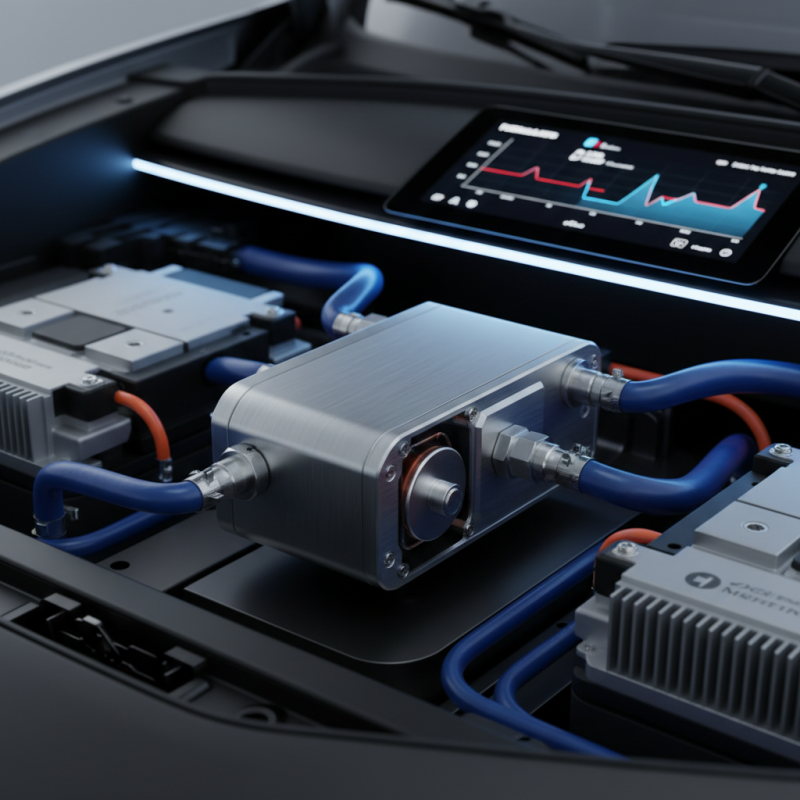
Ev Coolant Heater Best Features and Benefits Explained

Key Features of EV Coolant Heaters

EV coolant heaters serve a crucial role in electric vehicles. They help maintain optimal battery temperatures. This feature enhances battery efficiency and lifespan. When temperatures drop, batteries can lose charge quickly. A coolant heater prevents that, ensuring reliable performance.

Another key feature is energy efficiency. These heaters use minimal power to operate. They heat coolant fluid, which transfers warmth effectively. Drivers benefit from consistent cabin conditions. Comfort during cold starts becomes a reality. Many users need this on chilly mornings.

The installation process can be complex, requiring professional help. Users often find themselves learning on the go. Awareness of potential issues helps avoid expensive repairs. Thoughtful maintenance is paramount to ensure longevity. Users should regularly check coolant levels and component integrity.

Benefits of Using EV Coolant Heaters

Electric vehicles (EVs) are gaining popularity, and their performance can be improved with coolant heaters. These heaters play a crucial role, especially in cold climates. They keep the battery and cabin warm, ensuring comfort and efficiency.

Using an EV coolant heater aids in battery performance. A warmed battery operates more effectively, extending its range. Drivers notice less range anxiety during winter months. Additionally, these heaters precondition the cabin. Warmed interiors reduce the need for high energy use once driving begins.

However, there are considerations. Installing a coolant heater may require modifications to the vehicle. Users should assess if the benefits outweigh the inconveniences. It’s essential to reflect on the overall cost savings over time while adjusting to the initial investment. While the advantages are substantial, it’s wise to stay aware of potential downsides.

How EV Coolant Heaters Improve Vehicle Efficiency

Electric vehicle (EV) coolant heaters significantly enhance vehicle efficiency by optimizing battery performance. In colder climates, EV batteries suffer. Their range diminishes, and efficiency drops. Reports indicate that temperature impacts battery performance by as much as 20%. This results in increased energy consumption. Heaters ensure batteries remain within optimal temperature ranges. When warmed, batteries can perform better and offer more power.

Additionally, these heaters boost cabin comfort without draining the battery excessively. By using the coolant system, they warm up the interior while minimizing energy use. This technology prevents interruptions in travel time. It allows drivers to enjoy a comfortable ride during chilly mornings. According to industry studies, vehicles equipped with coolant heaters reduce energy waste by nearly 15%.

However, not all systems are created equal. Some heaters may take too long to warm the coolant. This can lead to delayed heating and wasted energy. Furthermore, improper insulation can cause heat loss, decreasing system efficiency. Continuous improvements are needed in this area. While the benefits are clear, manufacturers must address potential pitfalls effectively.

Installation and Maintenance Tips for EV Coolant Heaters

When installing an EV coolant heater, ensure the location is easily accessible. This will make future maintenance much simpler. A strategic placement can reduce installation difficulties and improve efficiency.

Regular checks are essential. Inspect the heater’s connections for any signs of wear or leaks. Leaks can lead to significant issues over time. Tighten any loose connections during your maintenance routine. A small effort today can save headaches later.

Consider the coolant type carefully. Not all coolants are compatible with every heater. Using the wrong type can hinder performance. Research your options to find the best match for your system. Remember, a well-maintained heater runs more efficiently, giving you better energy management.

Comparative Analysis: EV Coolant Heaters vs. Traditional Heaters

The impact of heating systems in electric vehicles is significant. EV coolant heaters offer distinct advantages over traditional heaters. They can heat the cabin faster with greater efficiency. This is due to their design, which allows for quick circulation of warm coolant. Traditional heaters often waste energy, mainly because they rely on warm air from heated engine fluids.

However, traditional heaters have their benefits as well. They usually require less initial investment and are simpler in terms of technology. Many users might feel comfortable with the tried-and-true methods of conventional heating. It's essential to weigh the upfront costs against the long-term energy savings of EV heaters. Some may find the learning curve of transitioning to newer systems a challenge.

Efficiency and environmental impact are at the forefront of heating technology choices. Choosing between EV coolant heaters and traditional ones may depend on individual needs and preferences. Users should consider their driving habits and climate conditions. A shift to modern heating solutions might require adjustments that not everyone is ready for.

We are crowdfunding!
Privacy Overview

This website uses cookies so that we can provide you with the best user experience possible. Cookie information is stored in your browser and performs functions such as recognising you when you return to our website and helping our team to understand which sections of the website you find most interesting and useful.

Find out more about Kitepower's privacy policy