10 Essential Tips for Adopting Sustainable Energy Solutions in Your Home

In today's world, the increasing urgency to confront climate change and reduce our carbon footprint has made adopting sustainable energy solutions more essential than ever. For homeowners, the transition to sustainable energy is not just an environmentally conscious decision; it is also an investment in the future. By implementing sustainable energy strategies, households can significantly decrease their dependence on fossil fuels while simultaneously lowering energy costs.
10 Essential Tips for Adopting Sustainable Energy Solutions in Your Home

This guide will explore ten essential tips that can help homeowners navigate the path to sustainable energy adoption. From utilizing solar power and energy-efficient appliances to embracing smart home technologies, each tip presents an opportunity to create a more energy-efficient living space. These strategies not only contribute to a greener planet but also enhance the comfort and functionality of your home. By prioritizing sustainable energy solutions, homeowners can play a crucial role in fostering a more sustainable future for generations to come.
Exploring Renewable Energy Options for Your Home

10 Essential Tips for Adopting Sustainable Energy Solutions in Your Home

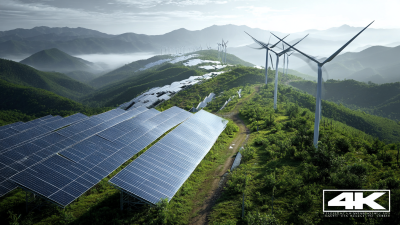
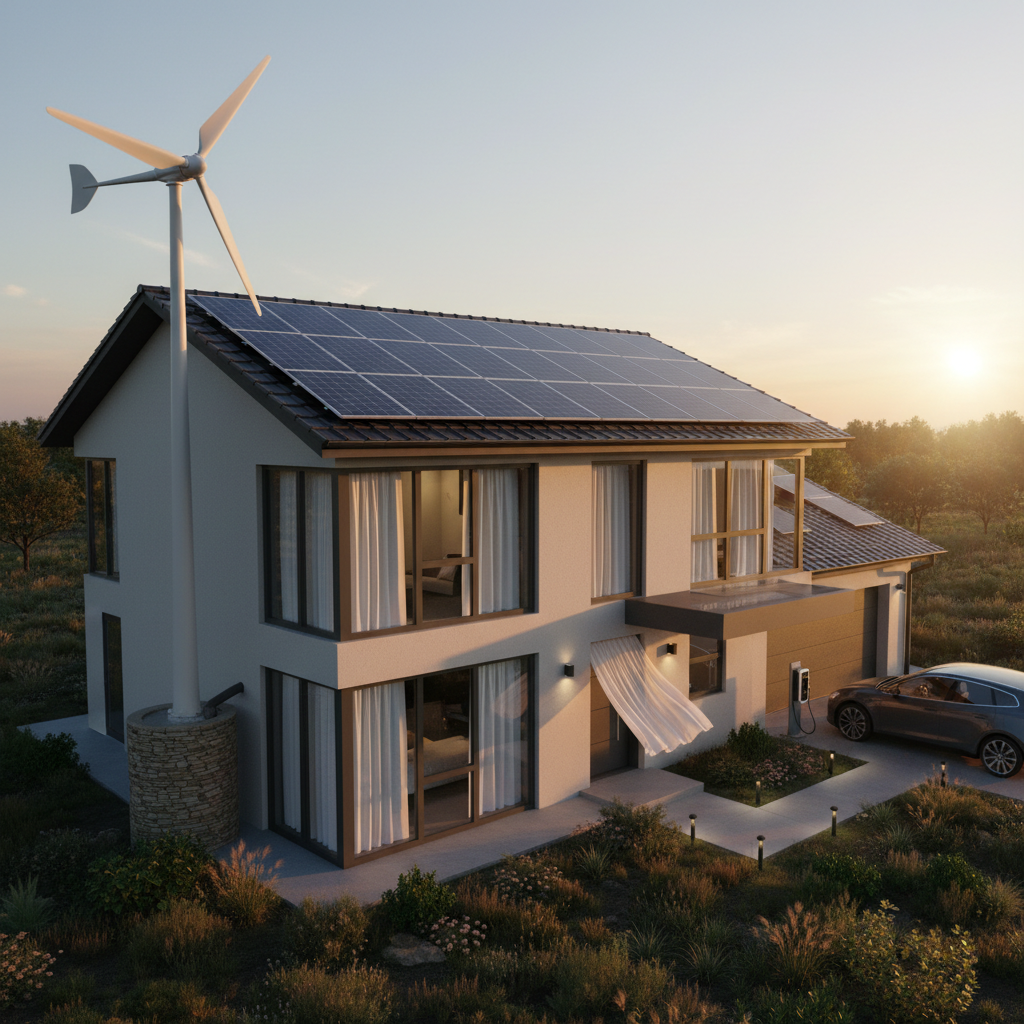
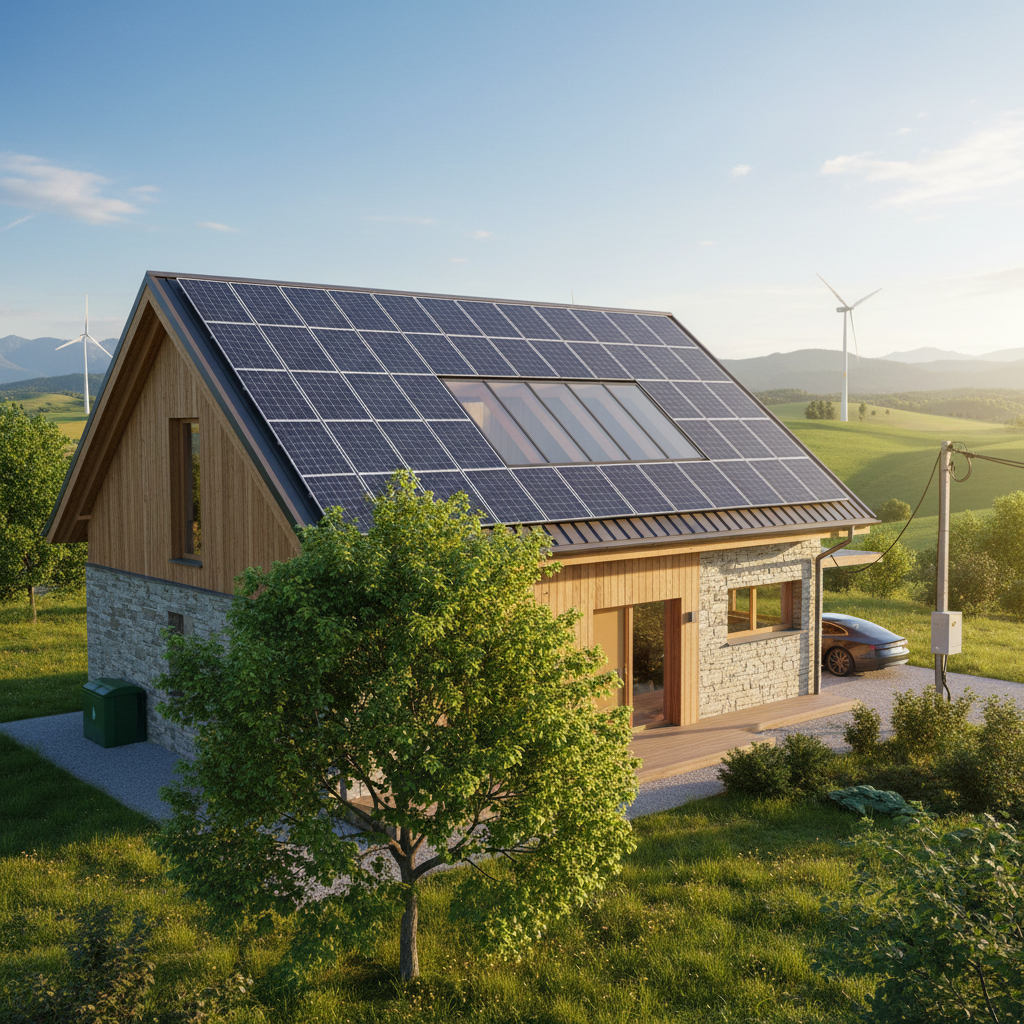
Exploring renewable energy options for your home opens up a world of possibilities for sustainable living. Solar panels are among the most popular choices, converting sunlight into electricity. They not only reduce your dependence on fossil fuels but can also lead to significant savings on energy bills over time. Homeowners can choose from grid-tied systems, which connect to the local utility, or off-grid systems, allowing them to be completely independent. With various tax incentives and rebates available, investing in solar energy is more accessible than ever.

Another promising renewable energy option is wind energy. If you reside in a location with sufficient wind resources, installing a small wind turbine can generate clean energy to power your home. Wind energy systems have an impressive lifespan and can produce energy for decades with minimal maintenance. Additionally, geothermal energy harnesses the consistent temperature of the earth to provide heating and cooling solutions, making it an energy-efficient choice. As technology advances and costs continue to decrease, integrating these renewable energy solutions can create a more sustainable and eco-friendly home environment.


Maximizing Energy Efficiency with Smart Technology

Embracing smart technology is pivotal for maximizing energy efficiency in your home. One of the primary ways to enhance energy consumption is through the use of smart thermostats. These devices learn your cooling and heating patterns, adjusting temperatures automatically to reduce energy use when you're away while ensuring comfort when you're home. By optimizing temperature settings throughout the day, smart thermostats not only cut down on electricity bills but also contribute to a more sustainable lifestyle.

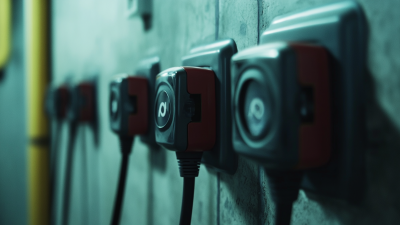
Another innovative approach is the integration of smart lighting systems. These systems can adjust brightness based on natural light levels, and many offer scheduling features that allow you to turn lights on and off remotely. Additionally, smart plugs enable you to control and monitor the energy usage of connected devices, allowing you to eliminate phantom loads when appliances are not in use. By leveraging these technologies, homeowners can effectively reduce their overall energy consumption, leading to a greener household and significant savings over time.

Implementing Solar Power Solutions: Benefits and Considerations

Implementing solar power solutions in your home can significantly reduce your energy bills and carbon footprint. According to the Solar Energy Industries Association (SEIA), the price of solar panels has dropped by over 80% since 2010, making solar energy more accessible than ever. By harnessing the sun’s energy, homeowners can save approximately $20,000 over the lifetime of a solar system, depending on energy consumption and state incentives. Furthermore, many states offer tax credits and rebates, making the initial investment even more feasible.

However, several considerations must be taken into account before installing solar power systems. First, assess your home's location and roof orientation, as optimal sunlight exposure is crucial for efficiency. According to the National Renewable Energy Laboratory (NREL), homes that receive adequate sunlight can achieve a solar panel efficiency of up to 20%. Additionally, understanding local regulations and net metering policies can help residents maximize their return on investment. By conducting thorough research and calculations, adopting solar power can lead to a sustainable and economically beneficial energy solution for your home.

10 Essential Tips for Adopting Sustainable Energy Solutions in Your Home - Implementing Solar Power Solutions: Benefits and Considerations

Tip Description Benefits Considerations
1. Assess Your Energy Needs Evaluate your current energy consumption to determine solar viability. Informed decisions and optimized energy systems. Consider seasonal variations in energy usage.
2. Research Local Regulations Understand zoning laws and permitting requirements for installation. Ensure compliance and avoid legal issues. Research may vary by region.
3. Evaluate Solar Panel Options Compare different types of solar panels based on efficiency and cost. Potential for long-term savings and increased efficiency. Higher efficiency panels may have a greater upfront cost.
4. Consider Battery Storage Explore the advantages of integrating battery storage with solar systems. Enables energy use during outages and off-peak hours. Increased initial investment required for batteries.
5. Take Advantage of Incentives Look into federal, state, or local incentives for solar installations. Can significantly reduce overall costs. Incentives frequently change and may have deadlines.
6. Choose a Reputable Installer Select an installer with a proven track record and good reviews. Quality installation leads to better performance and reliability. Research installer credentials and warranties offered.
7. Monitor System Performance Regularly check energy production statistics from your system. Early detection of issues can prevent costly repairs. Requires some technical knowledge to interpret data.
8. Maintain Your System Ensure regular cleaning and maintenance of solar panels. Improves efficiency and extends system lifecycle. Maintenance may require professional assistance.
9. Educate Yourself and Family Learn about the benefits and workings of solar energy. Empowers informed discussions and better energy usage. Time commitment required for research.
10. Participate in Local Energy Initiatives Join community solar projects or energy efficiency programs. Support local sustainability efforts and potentially reduce costs. Availability of programs may vary by location.

Choosing Eco-Friendly Appliances for Sustainable Living

When it comes to adopting sustainable energy solutions in the home, one of the most impactful steps is choosing eco-friendly appliances. The U.S. Department of Energy reports that residential energy consumption accounts for about 21% of total energy use in the country, with appliances playing a major role in this statistic. By selecting ENERGY STAR® certified appliances, homeowners can reduce energy consumption by up to 30% compared to standard models, significantly lowering both electricity bills and carbon footprints.

In particular, appliances such as refrigerators, washing machines, and dishwashers are notorious for their high energy usage. For instance, a typical refrigerator can consume around 600 kWh per year, but opting for an ENERGY STAR® model can cut this figure significantly. Furthermore, the Global Eco-Labeling Network highlights that eco-friendly appliances often employ innovative technologies, such as heat pump dryers and induction cooktops, which use energy more efficiently. In addition, many manufacturers are now focusing on sustainable materials and recyclability in their product designs, which contributes even further to reducing environmental impact. As consumers become more aware of these choices, their collective actions can lead to substantial energy savings and a healthier planet.

Incorporating Home Insulation Techniques to Save Energy

Incorporating effective home insulation techniques is crucial for maximizing energy efficiency and reducing utility bills. According to the U.S. Department of Energy, properly installed insulation can save homeowners an average of 15% on heating and cooling costs. This significant reduction not only benefits the wallet but also contributes to a more sustainable energy future by decreasing the demand for fossil fuels.

To enhance insulation, homeowners should consider materials such as spray foam, blown-in cellulose, or fiberglass batts. Research from the Environmental Protection Agency highlights that homes with higher insulation levels consume up to 20% less energy than those with minimal insulation. Moreover, focusing on areas such as attics, basements, and exterior walls can lead to substantial improvements in overall energy conservation. For example, sealing air leaks in these key locations further boosts the effectiveness of insulation, ensuring that conditioned air remains inside the home where it belongs, maximizing comfort and efficiency year-round.

Energy Savings by Insulation Techniques

We are crowdfunding!
Privacy Overview

This website uses cookies so that we can provide you with the best user experience possible. Cookie information is stored in your browser and performs functions such as recognising you when you return to our website and helping our team to understand which sections of the website you find most interesting and useful.

Find out more about Kitepower's privacy policy