
Electric Garage Doors have become a common feature in many households. They provide convenience and enhance security. These doors operate using an electric motor that opens and closes the door automatically.
When you press a button, the motor engages. A system of springs and tracks supports the door's movement. Despite their many benefits, not all installations go without problems. Misalignment and power outages can hinder their function.
Homeowners must regularly maintain their electric garage doors. Lubricating parts and checking the remote control's battery are essential tasks. Learning about these systems is not only helpful but also necessary for smooth operation. The ease of use can sometimes mask the complexities and potential issues that arise.
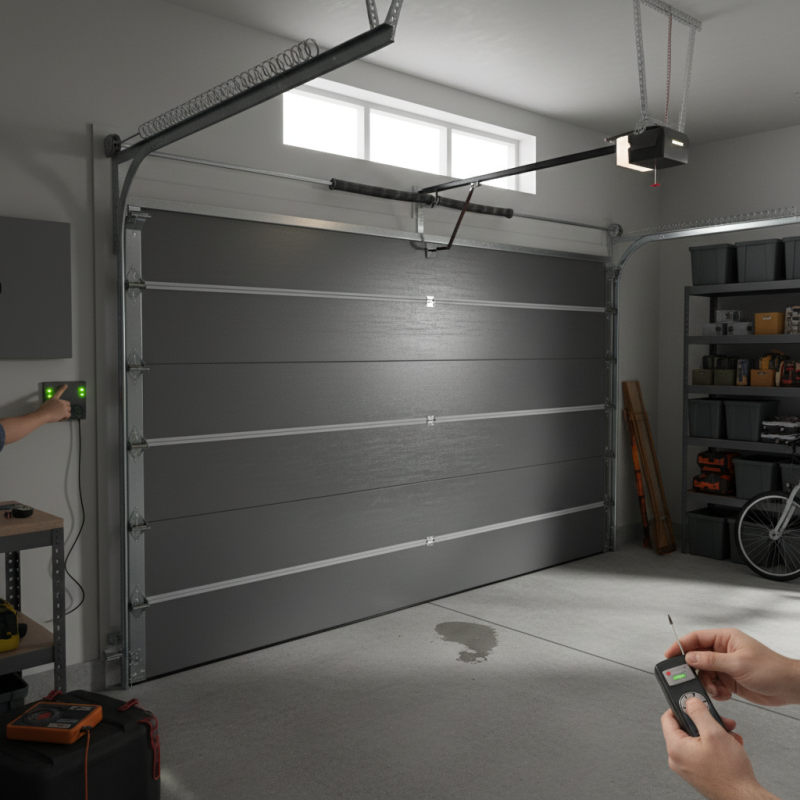
An electric garage door is a mechanized entry system that elevates convenience and security for homeowners. This innovative technology allows users to open and close their garage doors with a remote control, smartphone app, or keypad entry. According to a 2023 industry report, around 70% of new American homes now feature electric garage doors, highlighting their growing popularity.
The operation of an electric garage door relies on a motorized system. When activated, the motor drives a series of pulleys and tracks, enabling smooth opening and closing of the door. Safety features, like auto-reverse mechanisms, help prevent accidents. However, homeowners should regularly inspect these systems. Neglecting maintenance can lead to unexpected malfunctions. A report indicates that 30% of homeowners experience issues due to forgetfulness in routine checks.
Some might assume that all electric garage door systems are automatically efficient. However, factors like the weight of the door and weather conditions can impact their performance. A heavy door, for example, may strain the motor, leading to breakdowns. It’s crucial to consider these aspects when choosing a system. Electrical components can also fail without warning, adding an element of unpredictability. Staying informed and proactive is key.
Electric garage doors have become a common choice for homeowners. They offer convenience and security. Understanding their components is essential for effective use.
The primary components include the door itself, opener, and tracks. Doors can be made from various materials like steel, wood, or aluminum. According to industry reports, steel doors have a 20% higher durability than wood. The opener usually contains a motor and remote control system. This motor can lift heavy doors with ease. A key part of the opener is the safety mechanism. Improperly designed systems may not reverse when an object is in the way.
Tracks guide the door up and down smoothly. It’s crucial that tracks are installed correctly. Misalignment can lead to complications, making the door stuck. Additionally, springs balance the door's weight. If springs break, the door may come crashing down. This poses safety risks. Regular maintenance can help prevent such issues, but it’s often overlooked by owners.
Electric garage doors have transformed how we access our homes. They operate with a simple yet effective mechanism. A motor opens and closes the door on command. You press a button on the remote control, and the door responds. Within seconds, it starts to move, either up or down, thanks to the power of electricity.
At the core, electric garage doors use a metal track system. The door is attached to rollers that glide along these tracks. This design makes it easy to move heavy doors with little effort. Sensors ensure safety by stopping the door from closing on objects in its path. However, these sensors can sometimes fail, requiring attention and maintenance. The reliance on electricity means there's always a risk of malfunction during power outages, leaving you stranded outside.
Regular checks are necessary to keep everything running smoothly. Lubricating moving parts prevents wear and tear over time. Even a small issue can lead to bigger problems later. Monitoring the opener's mechanics helps identify potential breakdowns early. Although electric garage doors offer convenience, they also demand responsibility from homeowners.
Electric garage doors offer numerous advantages for homeowners. One key benefit is convenience. You can open and close your garage door with a simple press of a button. A study shows that 70% of homeowners prefer automatic doors for daily ease. This feature saves time, especially during bad weather. No one wants to struggle with manual lifting when coming home in the rain.
Another advantage is enhanced security. Electric garage doors are typically equipped with advanced locking mechanisms. According to industry reports, homes with electric garage doors are 40% less likely to experience break-ins. This added layer of security is crucial for protecting your valuables. Additionally, many systems offer smartphone integrations, allowing for remote monitoring. However, while security features are strong, they can fail due to power outages. Regular maintenance is necessary to ensure reliability.
Energy efficiency is also a significant aspect of electric garage doors. Many modern doors are designed with insulation. This helps maintain a stable temperature in your garage. In fact, insulated doors can reduce energy bills by up to 20%. Yet, some homeowners may overlook the importance of proper installation. A poorly installed door can negate these energy-saving benefits. Taking the time to choose the right setup is essential. Consider both functionality and maintenance to truly benefit from electric garage doors.
Electric garage doors provide convenience, but they can encounter issues. One common problem is the door not opening or closing. This can usually be traced back to the remote control batteries. Checking and replacing the batteries is a simple first step. Sometimes, the sensors may be misaligned or obstructed. Giving them a good clean can solve this.
Another issue could be unusual noises when operating the door. This often results from worn-out rollers or lack of lubrication. Inspecting the hinges and applying appropriate grease can help ease the operation. Additionally, the door might become unbalanced, leading to uneven wear and tear. Regularly checking the balance is essential, even if it seems trivial.
If the garage door still doesn’t work after troubleshooting, the problem might be more complex. It can be frustrating to deal with malfunctioning parts. In such cases, it may be wise to consult a professional. Sometimes, a thorough inspection reveals issues we can overlook, reminding us of the importance of routine maintenance.
| Feature | Description | Common Issues | Troubleshooting Tips |
|---|---|---|---|
| Motor Mechanism | Electric garage doors use a motor to move the door up and down. | Door does not open or close. | Check if power is connected, inspect the motor for obstruction. |
| Remote Control | Operated by a remote or wall switch. | Remote not working. | Replace batteries, reprogram the remote. |
| Safety Sensors | Ensure door stops if something is in the way. | Door reverses unexpectedly. | Clean the sensors, check alignment. |
| Springs | Counterbalance the weight of the door. | Door feels heavy or moves unevenly. | Inspect springs for damage, replace if necessary. |
| Track System | Guides the door as it opens and closes. | Door is misaligned or sticks. | Check for obstructions, lubricate tracks. |