
In the evolving landscape of logistics and warehousing, the choice of an Electric Forklift Battery has become paramount for businesses worldwide. According to the International Energy Agency (IEA), electric forklifts make up 60% of the global forklift market. This figure underscores the growing reliance on electric solutions, driven by sustainability goals and operational efficiency. Yet, the selection process often presents challenges.
Many buyers overlook critical factors like battery chemistry, charging infrastructure, and maintenance requirements. For instance, lithium-ion batteries offer longer lifespans and faster charging times than traditional lead-acid options. However, they come at a higher initial cost. Additionally, a report by the Materials Handling Industry of America (MHIA) highlights that 30% of companies fail to assess their energy needs accurately. This can lead to operational inefficiencies and increased costs.
Understanding these nuances is vital for making an informed purchase. As the market continues to advance, staying informed about battery technologies and their advantages is crucial. Realizing the best fit for your operational needs can optimize performance and reduce total ownership costs. Exploring options thoroughly is not just beneficial; it's necessary to avoid potential setbacks in a competitive environment.
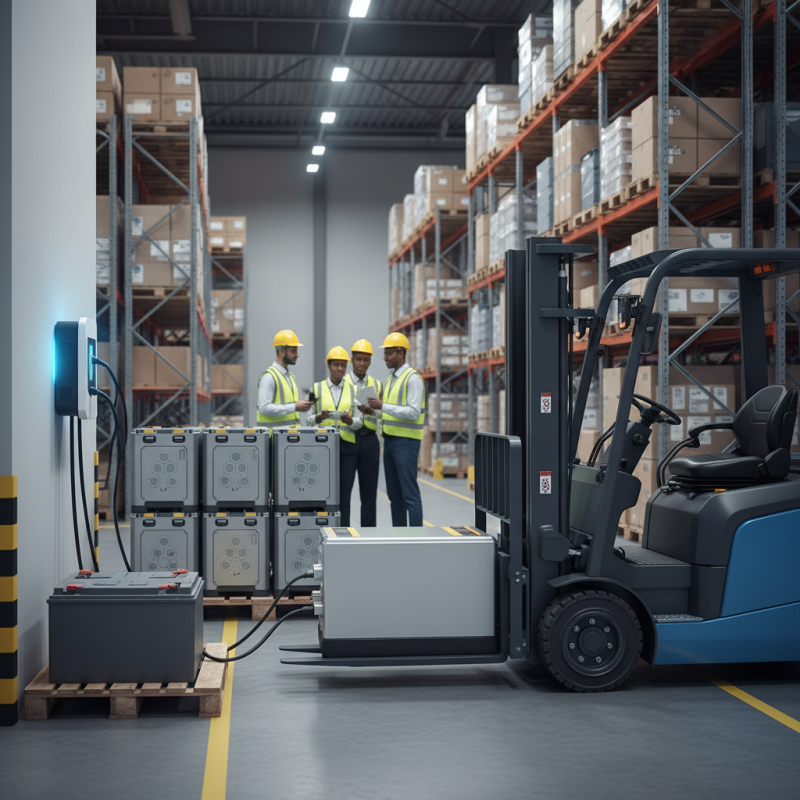
Electric forklifts rely heavily on their batteries. Understanding battery types and technologies is crucial for making informed purchases. Lead-acid batteries are common due to their affordability. They offer reliable power and have a long history of use. However, they require regular maintenance and can have a shorter lifespan, especially in demanding conditions.
Lithium-ion batteries are gaining popularity. They are lighter and more compact than lead-acid options. Their charging times are shorter, which translates to increased productivity. Additionally, they tend to last longer and require less maintenance. Despite their advantages, the upfront costs can be higher. This can lead to concerns for small businesses.
Choosing the right battery affects operational efficiency. It's essential to assess your specific needs. Think about duty cycles and charging infrastructure. Reflect on whether the initial investment aligns with long-term savings. Each battery type comes with its own set of trade-offs. Make informed choices by considering both performance and cost.
When selecting an electric forklift battery, there are several key considerations. The energy capacity is vital. This impacts how long your forklift can operate between charges. Look for batteries with the right amp-hour ratings to suit your needs. Choose a battery that supports your specific operating environment, such as indoor or outdoor use. Keep in mind the battery weight as it affects the forklift’s stability and maneuverability.
Charging time is another factor to evaluate. Some batteries require more time to charge but may offer longer lifespans. Consider your daily operations and how battery downtime impacts productivity. Deep cycle batteries can handle repetitive discharge and recharge cycles better, but they may be heavier and more costly.
Additionally, think about maintenance requirements. Some batteries need regular maintenance, while others are maintenance-free. Reflect on your capabilities and resources for upkeep. Choosing a suitable battery necessitates understanding your operational demands and future needs. Balancing costs with performance and lifespan is crucial as you make your decision.
When choosing an electric forklift battery, evaluating capacity and runtime is essential. Battery capacity, measured in amp-hours (Ah), indicates how much charge the battery can store. A higher capacity means longer operation between charges. However, it is crucial to match the battery capacity to your specific operational needs. A battery that is too powerful can lead to higher costs and inefficient use.
Runtime also depends on factors like load weight, operating conditions, and frequency of use. For instance, a fully loaded forklift will drain the battery faster than an unloaded one. Pay attention to the runtime estimates provided by manufacturers. They can serve as a baseline, but real-world performance may vary significantly.
Sometimes buyers overlook the importance of regular maintenance and charging practices. Neglecting these can reduce battery life and efficiency. Understanding your operational habits can help in making an informed decision. It's important to continuously evaluate your performance metrics and adjust as necessary.
Maintaining and extending the lifespan of electric forklift batteries is crucial for efficiency and cost-effectiveness. Proper care can prevent premature failures and ensure optimal performance. Regular monitoring and maintenance activities are essential in this regard.
One effective tip is to regularly check battery fluid levels. Low fluid can damage the battery cells. Additionally, ensure that battery connections are clean to prevent corrosion. Corroded terminals can lead to power loss.
Another important aspect is to charge the battery properly. Avoid overcharging and undercharging. Both can significantly shorten battery life. During charging cycles, keep a close eye on temperature. High temperatures can lead to thermal runaway.
Implementing these practices can help you get the most out of your electric forklift batteries. A small oversight can lead to significant issues later. It's essential to invest time in understanding your battery's needs. This proactive approach can save costs and enhance productivity in the long run.
When considering an investment in electric forklift batteries, cost is a significant factor. Industry reports indicate that a quality battery can range from $2,500 to $10,000. This variability depends on capacity, technology, and brand. Additionally, operational costs, such as energy consumption, maintenance, and lifespan, should also be factored into your budget. Research suggests that batteries with proper care can last between 5 to 7 years.
Tip: Always review total cost of ownership. It's not just about the purchase price. Battery lifecycle management can save costs in the long run.
One common oversight is neglecting the charging infrastructure. Installing chargers can add $1,200 to $5,000 to initial expenses. Moreover, consider the depreciation rate. Lithium-ion batteries, for example, tend to depreciate slower than lead-acid variants. However, they often carry a higher upfront cost. Analyzing these aspects helps prevent unexpected financial burdens.
Tip: Assess your specific usage needs. A forklift that operates in multiple shifts may require a more robust battery solution.
| Battery Type | Typical Lifespan (Years) | Cost (USD) | Maintenance Cost (Yearly) | Charging Time (Hours) | Energy Capacity (kWh) |
|---|---|---|---|---|---|
| Lead-Acid | 3-5 | $3,000 - $5,000 | $200 - $300 | 8-10 | 200 - 300 |
| Lithium-Ion | 5-8 | $7,000 - $12,000 | $100 - $150 | 2-4 | 400 - 600 |
| Nickel-Cadmium | 5-7 | $5,000 - $9,000 | $150 - $250 | 6-8 | 300 - 400 |
| Wet Cell | 2-4 | $2,000 - $4,000 | $250 - $400 | 10-12 | 150 - 250 |