Choosing the right Wind Turbine Generator for your energy needs is a crucial decision that can significantly impact both your operational efficiency and environmental footprint. As renewable energy continues to gain traction, understanding the various types and specifications of wind turbine generators becomes essential for both residential and commercial applications. According to Dr. Emily Shore, a leading expert in renewable energy systems, “Selecting an appropriate Wind Turbine Generator is not just about efficiency; it’s about aligning your energy goals with the right technology.”
When it comes to harnessing wind energy, the multitude of options available can be overwhelming. Factors such as the generator's size, capacity, and the specific wind conditions of your location play pivotal roles in determining the most suitable choice. Additionally, considering the long-term energy needs and financial implications is imperative for a successful investment. This guide aims to simplify the selection process, offering insights that will empower you to make informed decisions tailored to your unique energy requirements.

Understanding your energy needs is paramount when selecting the right wind turbine generator for your power generation requirements. It's essential to assess the amount of energy you consume on a daily and seasonal basis. By evaluating your energy consumption patterns, including peak usage times and any potential increases in demand, you can better determine the size and capacity of the wind turbine that will meet your needs. A detailed energy audit will provide insights into your monthly and yearly usage, helping to establish a baseline for your wind energy system.
Tips: Consider monitoring your energy usage with a smart meter or energy management app, which can offer real-time insights into your consumption patterns. This data will enable you to make informed decisions about the turbine size that suits your specific situation.
Additionally, you should also think about your location and the average wind speeds in your area. Wind turbine efficiency is heavily influenced by wind conditions; therefore, understanding the local wind resource will help in selecting a generator that is well-suited for your environment. Researching local wind maps and consulting with meteorological data can assist in making an informed choice.
Tips: If possible, evaluate your prospective site for wind suitability through a temporary anemometer. This will provide you with accurate wind speed readings and patterns, allowing you to correlate them with turbine performance capabilities effectively.
| Turbine Type | Rated Power (kW) | Cut-in Wind Speed (m/s) | Nominal Wind Speed (m/s) | Cut-out Wind Speed (m/s) | Tower Height (m) | Estimated Annual Energy Production (kWh) |
|---|---|---|---|---|---|---|
| Horizontal Axis | 5 | 3 | 12 | 25 | 30 | 8,760 |
| Vertical Axis | 3 | 4 | 10 | 20 | 25 | 5,256 |
| Small Scale | 1.5 | 3 | 8 | 18 | 10 | 3,940 |
| Large Scale | 15 | 4 | 11 | 27 | 100 | 45,000 |

When selecting a wind turbine generator, understanding the different types and their features is crucial to meet your energy requirements. The three primary types are horizontal axis wind turbines (HAWT), vertical axis wind turbines (VAWT), and small wind turbines. HAWTs are the most common type and are typically characterized by their large blades mounted on a tall tower. These turbines are efficient and effective in areas with high wind speeds, making them ideal for large-scale energy production. They can harness wind from various directions due to their ability to rotate, optimizing energy capture.
In contrast, VAWTs have blades that are positioned vertically, allowing them to capture wind from any direction without the need to rotate. This design makes them particularly suitable for urban environments or sites with turbulent wind conditions, where space may be limited. Additionally, small wind turbines come in both HAWT and VAWT designs and are intended for residential or small-scale applications. These turbines are typically less powerful but are excellent for local energy generation and can be installed on rooftops or in backyards, providing a sustainable energy source for individual needs.
Selecting the right type of wind turbine generator depends on various factors such as location, available space, wind patterns, and energy requirements, making it essential to consider these features when making your choice.
Evaluating site conditions is crucial when considering the installation of a wind turbine generator. The first factor to examine is wind resource assessment. Understanding the average wind speeds and patterns at the proposed site will help determine the turbine size and type needed to harvest the maximum energy efficiently. Tools such as anemometers can be employed to measure wind speeds over a period to obtain a reliable dataset for analysis. Additionally, assessing the frequency of high wind events and turbulence is essential, as these can significantly impact the turbine's performance and lifespan.
Another vital consideration is the topography of the installation area. Vegetation, hills, and buildings can influence wind flow, potentially creating areas of turbulence or shadowing that can reduce the effectiveness of the wind turbine. A detailed site survey can identify obstacles and optimal placement strategies, ensuring that the turbine is situated where it can capture the strongest and most consistent winds. Furthermore, local zoning laws and regulations must be evaluated to ensure compliance and prevent future operational issues. By thoroughly assessing these site conditions, one can make informed decisions on the right wind turbine generator to meet energy needs.
When selecting a wind turbine generator, cost and efficiency are two critical factors that should guide your decision. The initial investment for a wind turbine can vary significantly based on its design, size, and technology. Smaller turbines that are suitable for residential use typically come at a lower price point but may offer reduced energy production compared to larger, commercial-grade turbines. Understanding your energy needs is essential; a more significant upfront investment may be justified if the turbine can consistently meet higher energy demands and result in long-term savings on utility bills.
Efficiency is equally important when comparing different wind turbines. This metric indicates how well a turbine converts wind energy into usable electrical power. Factors influencing efficiency include rotor design, blade length, and the turbine's location relative to wind patterns. While some turbines may be cheaper, they could produce less energy over time, leading to increased costs per kilowatt-hour. Conducting a thorough analysis of both the cost of the turbine and its expected efficiency will provide a clearer picture of its overall value. By carefully balancing these elements, you can choose the right wind turbine generator that aligns with your energy needs and financial considerations.
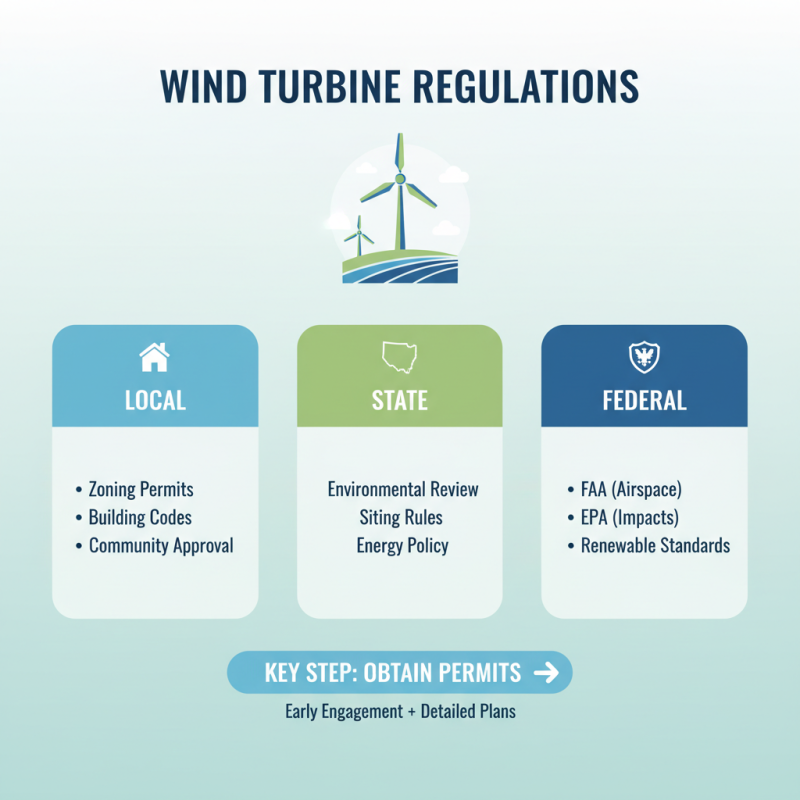
When considering the installation of wind turbines, individuals must navigate a complex landscape of regulatory considerations. These regulations can vary significantly based on location, making it essential for potential turbine owners to familiarize themselves with local, state, and federal policies. In many regions, obtaining the necessary permits is a crucial first step. This process typically involves submitting detailed plans that outline the turbine's specifications, expected output, and potential environmental impacts. Engaging with local authorities early in the planning phase can streamline this process and ensure compliance with all relevant regulations.
Moreover, environmental regulations often require assessments to evaluate the potential impact on local wildlife and ecosystems. These assessments can include studies on bird migration patterns and noise pollution, which are vital to safeguard the surrounding environment. Further, some areas may have zoning laws that dictate where wind turbines can be installed, including setbacks from property lines and restrictions regarding turbine height. Understanding these regulatory frameworks is imperative to avoid costly delays and ensure that the installation aligns with both community standards and environmental protection goals. Thus, thorough research and proactive communication with regulatory bodies can significantly aid in a successful wind turbine project.