
In today's rapidly evolving marketplace, businesses must keep pace with technological advancements. Choosing a Level 3 Dc Fast Charger can significantly impact your company's growth. These chargers offer faster charging times and cater to the rising number of electric vehicles. With the surge in EV adoption, it is essential to meet customer needs effectively.
Investing in a Level 3 DC Fast Charger can enhance your business's reputation. It signals a commitment to sustainability and innovation. Customers appreciate convenience, especially when charging their vehicles. A reliable and fast solution can set your business apart. However, integrating this technology might require a reevaluation of existing infrastructure and staff training.
The landscape of electric mobility is changing. Companies must adapt or risk falling behind. With potential challenges in implementation and maintenance, careful planning is necessary. Nevertheless, the benefits of adopting a Level 3 DC Fast Charger could outweigh these concerns. Embracing this technology positions your business as a forward-thinking leader in the electric vehicle market.
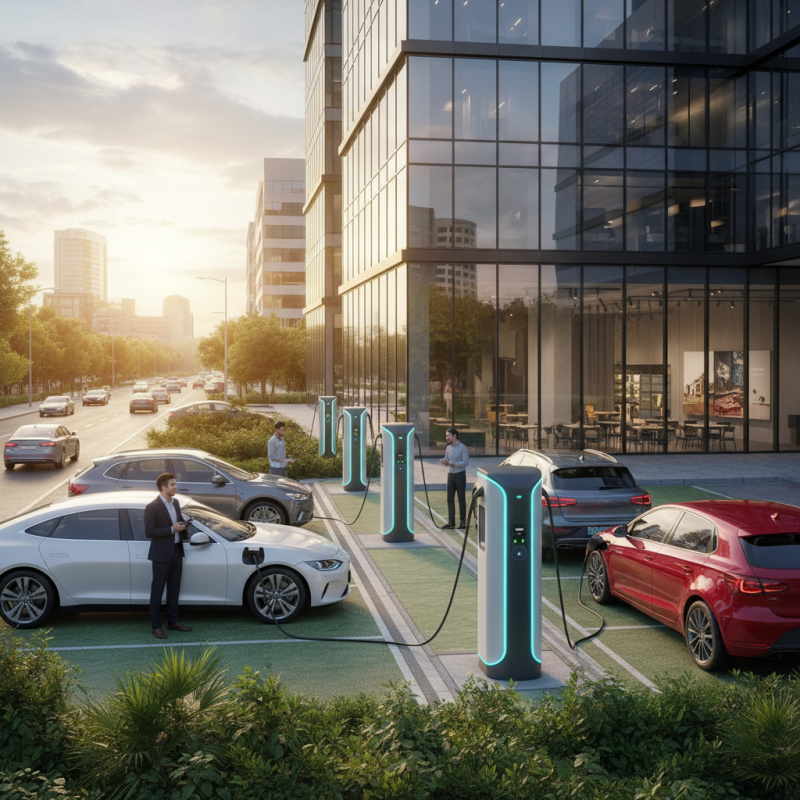
Level 3 DC Fast Chargers are crucial for businesses looking to support electric vehicle (EV) adoption. These chargers operate at high power levels, enabling rapid charging. Unlike Level 1 or Level 2 chargers, they can provide a full charge in just 30 minutes. This speed is essential for busy facilities that aim to reduce downtime for EV drivers.
Understanding the features of Level 3 chargers is key. They usually come equipped with multiple charging standards, ensuring versatility for different EV models. The reliability of these chargers is also noteworthy; they are designed to handle high usage, making them a smart investment for any commercial setting. Yet, choosing one requires careful consideration. The installation can be complex and costly.
While the benefits are significant, the initial investment can be daunting. Not all locations may see the expected return on investment. Analyzing local EV adoption rates and traffic patterns is vital before committing. This reflection helps gauge actual demand. Making an informed choice will ultimately enhance business reputation and customer satisfaction.
Implementing Level 3 DC fast chargers can significantly enhance business operations. According to the International Energy Agency, the installation of Level 3 chargers can reduce charging times to as low as 30 minutes. This is a substantial advantage for businesses looking to attract electric vehicle (EV) owners. Quick charging not only meets customer needs but also increases foot traffic, with reports indicating that 60% of EV drivers prefer businesses with charging stations.
The environmental benefits are also notable. A survey by the Global Carbon Project highlighted that EVs can reduce greenhouse gas emissions by up to 50% compared to traditional vehicles. As consumers grow more environmentally conscious, businesses with DC fast chargers can improve their brand image. Having this infrastructure shows a commitment to sustainability, which can attract a loyal customer base.
However, there are challenges to consider. The initial costs of installing Level 3 chargers can be high, and not every business may see immediate returns. Moreover, inconsistent charger availability is a common frustration among users. Addressing these concerns can lead to better operational strategies. Investing in Level 3 DC fast chargers is not just about providing a service; it requires careful planning and commitment to long-term sustainability.
Cost considerations play a crucial role in installing Level 3 DC Fast Chargers for businesses. The initial investment can be substantial. Estimates show that installing a Level 3 charger may cost between $20,000 and $100,000. Factors such as site preparation, electrical upgrades, and permits can add to these costs.
Operating expenses also matter. Level 3 chargers typically have higher electricity demands, leading to increased utility bills. Businesses must consider these recurring costs when calculating potential returns on investment. Research indicates that DC Fast Chargers can provide 30 to 80 miles of range in just 30 minutes. This quick turnaround can attract more customers seeking efficiency.
Moreover, maintenance is another factor. Level 3 chargers tend to require more frequent servicing than slower models. This can lead to unexpected expenses over time. However, businesses can view this as an investment in customer satisfaction and brand loyalty. Adopting these chargers may align with sustainability goals, which is increasingly important to consumers today. Data shows that 70% of shoppers prefer businesses engaged in eco-friendly practices.
Fast charging is becoming crucial for businesses looking to enhance customer experience. Level 3 DC fast chargers can significantly reduce charging time, allowing electric vehicle (EV) drivers to charge their vehicles in as little as 15-30 minutes. According to a report by the International Energy Agency, 40% of EV drivers prioritize charging speed when selecting a charging station. This is an area where Level 3 chargers excel.
Integrating Level 3 charging options can draw in customers who want quick stops for charging. A survey from the U.S. Department of Energy revealed that 60% of respondents would choose locations with fast charging over those without. Businesses can benefit from increased foot traffic, as customers often spend time at on-site amenities while waiting. However, not all locations are suitable for these installations. The initial investment and technical requirements might pose challenges for some businesses.
Many companies may overlook the importance of reliable infrastructure. Frequent downtime or maintenance issues can frustrate customers. A well-maintained Level 3 charger can enhance reliability, making it a preferred choice among EV drivers. While the upfront costs may be significant, the long-term benefits can lead to improved customer satisfaction and loyalty.
As businesses pivot towards sustainability, fast charging technology is evolving rapidly. Level 3 DC fast chargers play a pivotal role in this evolution. With the EV market projected to grow by 22% annually through 2026, opting for a Level 3 charger enhances operational efficiency. This type of charger typically provides up to 350 kW of power, meaning cars can recharge in under 30 minutes. Such speed caters to the increasing consumer demand for convenience.
Looking ahead, innovations like ultra-fast charging and bi-directional chargers are emerging. Reports indicate that by 2030, bi-directional capabilities could generate energy savings of approximately 20%. This technology allows vehicles to feed energy back into the grid during peak hours. Enabling this can create a stable energy supply while reducing operational costs. However, the integration of these advanced technologies presents challenges, such as required upgrades to existing infrastructure.
Despite these challenges, the shift towards fast charging is essential. The current market indicates that over 50% of consumers prefer quick charging solutions. Addressing infrastructure gaps is crucial for businesses aiming to stay competitive. Investing in Level 3 chargers not only positions companies for future growth but aligns them with sustainability goals. The path forward may require commitment and adaptation, but the potential rewards are significant.
| Feature | Description | Expected Benefits |
|---|---|---|
| Charging Speed | Levels 3 chargers can deliver 20-250 kW, providing a full charge in under an hour. | Increased customer satisfaction and reduced wait times. |
| Compatibility | Compatible with various electric vehicles (EVs) and charging standards. | Attract a diverse range of EV drivers to your business. |
| Operational Cost | Higher initial investment but lower long-term operational costs due to efficiency. | Improved profit margins through efficient energy use. |
| Future-Proofing | Supports upcoming EV technology and higher charging demands. | Ensures relevance and competitiveness in the evolving market. |
| Customer Insights | Ability to gather data on user charging habits and peak hours. | Optimizes services and marketing strategies based on customer needs. |