Best Automatic Folding Scooter Supplier in China?
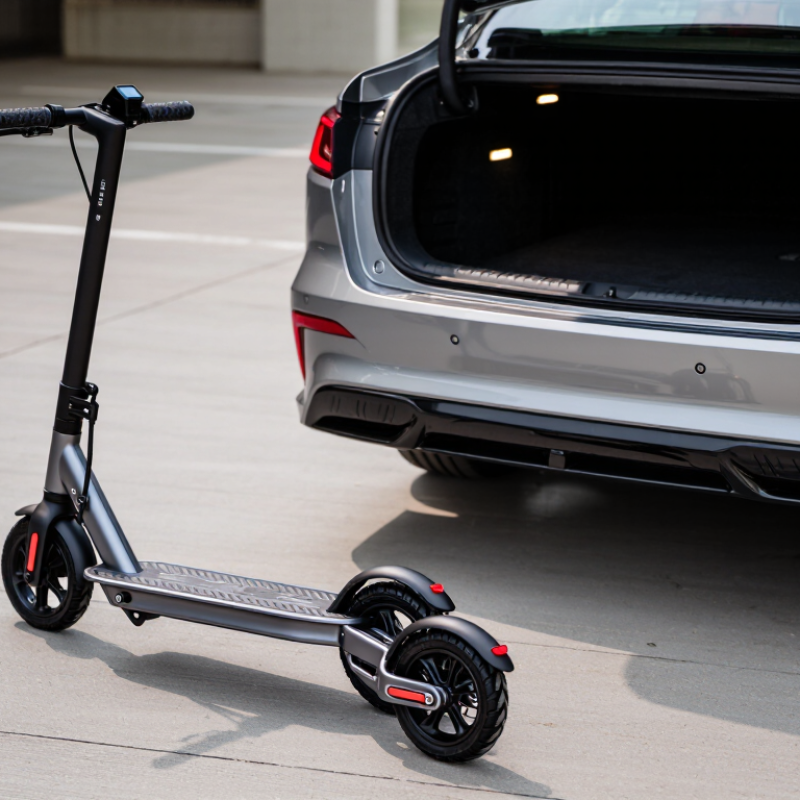
Choosing the Best Automatic Folding Scooter Supplier in China takes more than comparing prices or polished product photos. Buyers need evidence that a scooter folds reliably, travels safely, and remains serviceable after delivery. Small details matter: the folded dimensions beside a car trunk, the latch’s feel, and whether replacement parts are available.
The WHO and UNICEF Global Report on Assistive Technology (2022) estimates that 2.5 billion people need one or more assistive products; that figure could rise to 3.5 billion by 2050. The report is not a scooter-market forecast, but it shows why dependable mobility products matter. WHO Director-General Dr. Tedros Adhanom Ghebreyesus stated, “Assistive technology is a human right.” This is a broad assistive-technology principle, not an endorsement of any scooter or supplier.
For buyers, the useful question is whether a supplier can substantiate its claims. Request test records, clear battery and range specifications, warranty terms, and a parts-support plan. Ask how the folding mechanism is checked across repeated cycles, not just during a showroom demonstration. Ask for proof. A neat catalogue can still conceal weak after-sales support; that deserves scrutiny. Supplier selection is rarely perfect, and a sample unit cannot reveal every production issue. Still, careful checks make it easier to compare Chinese manufacturers on practical performance, documentation, and service—not promises alone.
Understanding Automatic Folding Scooters and Their Main Features
Automatic folding scooters use a powered hinge or actuator to collapse the frame, reducing the effort needed for storage and transport. A handlebar control or remote may start the folding cycle, but users should check whether the process can be stopped safely. Watch the joints. Fingers and loose clothing need clearance from moving parts.
Useful features include a stable base, responsive brakes, clear battery indicators, and controls that remain easy to reach while seated. Battery range depends on rider weight, terrain, temperature, and battery condition, so published range figures are not guarantees. Check folded dimensions against a car trunk, lift capacity against the scooter’s actual weight, and turning space against narrow hallways. Small details matter. The WHO and UNICEF Global Report on Assistive Technology (2022) estimates that 2.5 billion people need one or more assistive products, while nearly one billion lack access. This broad figure covers many product types; it is not a scooter sales estimate.
For a practical supplier assessment, request measured folding time, battery specifications, maximum load, and test information for brakes and frame durability. Ask how the scooter behaves on a slight slope, not only on a showroom floor. A neat specification sheet helps, but it cannot replace a hands-on trial. One point is easy to miss: automatic folding adds moving parts, and that can mean more maintenance. Check whether the manual explains emergency unfolding and routine hinge inspection.
Understanding Automatic Folding Scooters: Key Features
Indicative advertised travel range per charge for consumer mobility scooters. Actual range varies with battery, rider weight, terrain, temperature, and speed; check the specifications for each model.
What to compare: automatic folding method, folded dimensions, scooter weight, battery range, maximum load, and ease of transport. A supplier should provide model-specific test conditions and specifications rather than relying on a general range.
How China’s Scooter Suppliers Design and Manufacture Folding Models
China’s folding scooter suppliers begin with a practical question: who must lift, store, and operate the scooter? WHO and UNICEF’s 2022 Global Report on Assistive Technology estimates that 2.5 billion people need one or more assistive products. That figure may reach 3.5 billion by 2050. It signals broad need, not guaranteed demand for any particular scooter. Design still starts with the user.
Engineers balance frame strength, folded size, and manageable weight. A hinge must lock securely, resist repeated folding, and avoid trapping fingers. Battery cables need protected routes through moving joints. Brakes, wheelbase, and weight distribution also matter, especially on uneven pavement. Small details count. A folded scooter that fits a car trunk but is awkward to lift may miss its purpose. That trade-off is easy to underestimate.
During manufacturing, suppliers typically inspect welds, fasteners, electrical connections, and folding locks. Buyers should request test methods, rated load, folded dimensions, and battery range conditions; range figures without test details are difficult to compare. Ask how hinge durability and braking performance are verified. A polished sample is not enough. The uncomfortable truth is that compactness can compromise comfort, and no single design suits every rider.
Key Standards for Evaluating Chinese Scooter Suppliers
Best Automatic Folding Scooter Supplier in China?
Key Standards for Evaluating Chinese Scooter Suppliers
Choosing a supplier takes more than comparing prices or viewing a polished product video. Ask how the folding mechanism is tested, and request documented results across repeated opening and closing cycles. Check frame materials, rated load, brake performance, and battery specifications against your intended market’s requirements. Details matter. A sample should fold smoothly without excessive play, sharp edges, or loose fasteners.
Review the supplier’s quality-control process, not just its final inspection. Ask how incoming components are checked, how production defects are recorded, and whether batch-level inspection reports are available. Ask for records. Confirm that product drawings, user manuals, and test documents refer to the same model and configuration. If a supplier cannot explain a failed test clearly, treat that as a useful warning, not a minor paperwork issue.
Discuss production capacity, lead times, spare parts, and warranty handling in writing. A low sample price means little if replacement components take months to arrive. Request a pre-shipment inspection plan and agree on measurable acceptance criteria before placing a larger order. No checklist is perfect. Factory visits and third-party testing can also have limits, so compare evidence from several sources. A supplier’s responsiveness to specific technical questions often reveals more than a sales presentation.
Comparing Suppliers by Quality, Customization, and Support
Choosing an automatic folding scooter supplier in China calls for more than comparing quoted prices. Quality should be visible in repeatable checks, not just polished product photos. Ask for inspection records covering the folding hinge, frame joints, brakes, and battery performance. A sample unit can reveal loose fittings or awkward controls that a specification sheet may miss. Test it on a ramp and over uneven pavement, if practical.
Small details matter. Customization is useful when it solves a real need, such as adjusting handlebar height, choosing seat materials, or changing control labels. Confirm which changes affect cost, lead time, and replacement-part availability. Keep specifications in writing; verbal promises are easy to remember differently.
Support deserves equal scrutiny. Ask how the supplier handles fault reports, provides troubleshooting guidance, and ships common parts like chargers or brake cables. Response time matters. A supplier may answer quickly before an order, yet provide slower help afterward. That risk is hard to judge from one conversation. Request a clear service process and check it with specific questions before committing. No checklist guarantees a smooth partnership, but documented answers make comparisons more reliable.
How to Select a Supplier for Your Market and Requirements
Selecting an automatic folding scooter supplier in China starts with your market, not a catalogue. Define who will use the scooter, where it will be ridden, and how often it must fold. A commuter carrying it onto a train may value low weight and a compact folded size. A mobility retailer may prioritize stable handling, comfortable seating, and easy-to-find service parts. Write down your target price, expected order volume, and required customization before requesting quotes.
Ask suppliers for measurable specifications, not broad promises. Check the scooter’s weight, folded dimensions, turning space, and performance on the surfaces your customers actually encounter. Request a sample and fold it repeatedly. Inspect the hinge, latch, wiring, and finish; small flaws can become daily frustrations. Details matter. Also ask how quality checks are recorded, how production changes are communicated, and which spare parts can be supplied consistently. Clear answers are more useful than polished sales language.
Compare communication and support as carefully as product features. Ask who handles technical questions, what information is needed for troubleshooting, and how replacement parts are packaged. Review instructions and product documents for clarity. If possible, speak with a current distributor about response times and recurring service issues. No checklist catches everything. A sample may perform well while later batches vary, so agree on inspection criteria before production. One awkward point remains: the lowest quote can be tempting, but it may leave little room for reliable support. Choose a supplier whose capabilities match your actual market, then verify those claims in writing.