What Are the Best Battery Go Karts to Buy in 2026?

Choosing the best Battery Go Kart in 2026 means looking beyond top speed. Battery capacity, real-world run time, charging time, driver fit, and replacement-part access matter on an actual track. So does the surface: a kart that feels quick on smooth asphalt may behave differently on a rough outdoor circuit.

The International Energy Agency’s Global EV Outlook 2024 estimated nearly 14 million electric-car sales worldwide in 2023, about 18% of all car sales. That figure signals broader electric-vehicle momentum, not kart demand. It cannot predict which kart will suit a family, rental operator, or competitive driver. That distinction matters. IEA Executive Director Fatih Birol has said, “The clean energy transition is happening worldwide, and it’s unstoppable.” His comment concerns the wider energy transition, not go-karts; presenting it as kart-specific advice would be misleading.

This guide compares Battery Go Kart options using practical details buyers can check: published battery specifications, charging requirements, safety features, warranty terms, and available service support. A clear comparison is not always possible; manufacturers may measure range under different conditions. Treat headline runtime as a starting point, not a promise. Before buying, ask how long the kart runs with a rider of your weight, on your intended track, at your expected pace. Small details count. A reachable emergency stop and a charger that fits your garage can matter more than a flashy speed claim.
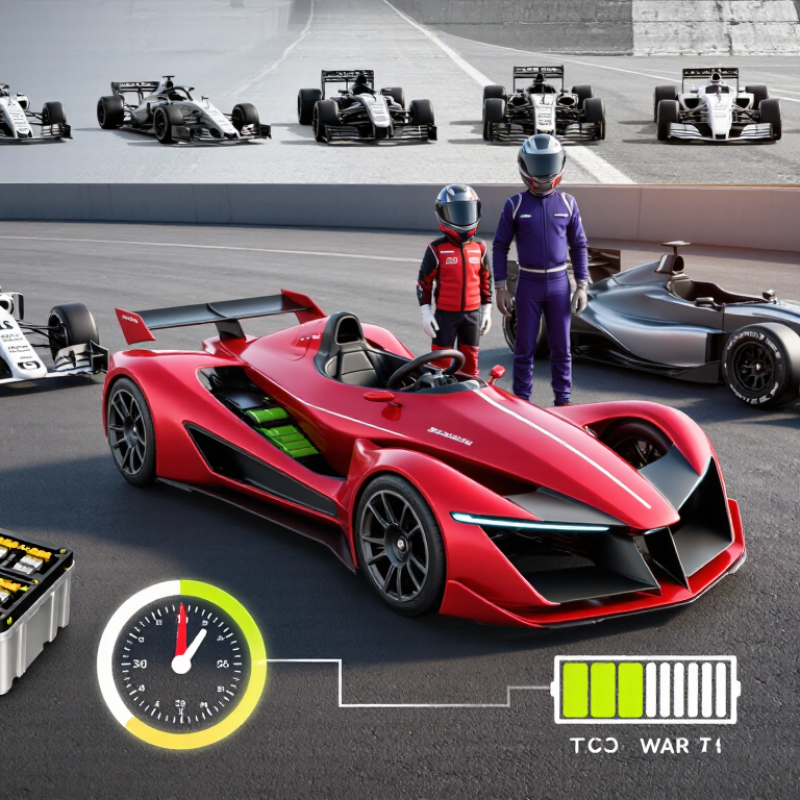
What Are the Best Battery Go Karts to Buy in 2026?

What Defines a Good Battery Go-Kart to Buy in 2026

A good battery go-kart to buy in 2026 should fit its rider, intended terrain, and available charging space. Check the manufacturer’s rider age, weight, and height guidance before comparing top speed. A kart that feels powerful on paper may be awkward for a smaller driver. Fit matters. Look for a stable frame, responsive brakes, and a seat that keeps the driver comfortably supported. Battery capacity alone does not tell you how long a ride will last; rider weight, hills, surface, and speed settings all affect runtime. Real-world estimates can vary.

Compare the stated runtime with the charging time and battery replacement options. Clear specifications and a readable warranty make it easier to judge long-term value. For outdoor use, check tire grip and ground clearance against your usual paths. Also consider whether replacement parts and service information are easy to obtain. One trade-off is that a heavier battery may extend rides but make the kart harder to move or store. There is no single best setup for every family.

Tips: Measure the storage space first, including room for the charger. Ask whether the quoted runtime was tested on flat ground or mixed terrain. Check that charging instructions explain ventilation and safe handling. A brief test ride, where available, can reveal comfort issues that product specifications miss. It may not answer everything, but it helps.

How Battery Go-Karts Differ by Age, Size, and Intended Use

In 2026, choosing a battery go-kart starts with the rider’s size and experience, not a speed claim. Age labels are useful screening tools, but they cannot confirm a comfortable fit. Check the stated height and weight limits, then see whether the rider can reach the pedals and steering wheel without stretching. Fit matters more.

Smaller karts often suit younger riders because their seats, controls, and frames are easier to manage. Look for a secure seat, a stable frame, and brakes the rider can operate consistently. For older children and adults, compare seat space and maximum load as well as motor performance. A kart that feels cramped during a brief test may become uncomfortable on a longer ride. I would not treat age alone as a fit test.

Intended use changes the choice. A kart for a smooth, private driveway may need less ground clearance than one used on rough grass. Check the maker’s surface guidance, tire design, and whether the kart is intended for indoor or outdoor use. Battery runtime varies with rider weight, terrain, temperature, and driving style, so advertised figures are estimates, not promises. It is easy to overlook that detail. Before buying, match the kart to the rider’s actual route and available storage space.

Which Features Matter Most When Comparing Electric Go-Karts

When comparing battery go-karts in 2026, start with rider size and weight limits, not the highest speed listed. A kart that feels cramped can be hard to control. Check seat adjustment, pedal reach, and whether the steering wheel feels comfortable with both hands. Fit matters.

Motor output affects acceleration, but traction, surface, and rider weight change how power feels. Look for a speed control that adults can adjust, plus a clear battery indicator. Published run times are estimates. They can shrink on grass, hills, or cold days, so compare charging time and replacement-battery cost too. One awkward detail: a quick charge is less useful if the pack is difficult to remove or service.

Brakes deserve a close look. Check the stopping system, tire grip, frame construction, and the manufacturer’s stated rider limits in the manual. For home use, measure turning space and storage before buying; a wide kart may not fit through a narrow gate. Ask about parts availability and warranty coverage, not just the initial price. I would also compare noise and maintenance needs. Electric models are quieter, but tires and brakes still wear. Specifications do not tell the whole story.

What Are the Best Battery Go Karts to Buy in 2026?

Compare electric go-karts by intended use. The chart shows approximate top-speed ranges commonly found across broad product categories; individual models vary.

What matters most: Match the speed range to the rider’s age and experience, then compare real-world runtime, charging time, rider weight limit, braking performance, speed controls, and whether the battery is replaceable. Runtime can change substantially with rider weight, terrain, temperature, and driving style, so check the model’s specifications before buying.

How Battery Range, Charging Time, and Safety Affect the Choice

For a battery go-kart, treat advertised range as a starting point, not a guarantee. Ask whether the figure comes from continuous driving, stop-start laps, or a light rider on a smooth track. A heavier driver, cold weather, and repeated acceleration can shorten each session. Get the usable battery capacity and a written estimate for your expected track conditions. Small detail, big difference.

Charging time matters when the kart must run again the same day. Check the manual for the full charge time, required outlet, and whether the battery can be removed safely. Geotab’s 2024 EV Battery Health Report, based on more than 10,000 electric vehicles, estimated average battery degradation at 1.8% per year. That figure is not kart-specific, but it shows why warranty terms and replacement-pack availability deserve attention. I would leave extra range in reserve; real use is rarely tidy.

Safety starts with a matched charger and clear battery instructions. Look for over-temperature and over-current protection, secure wiring, and a charging area away from rain, fuel, and clutter. The U.S. Consumer Product Safety Commission advises users to stay present while charging lithium-ion products and stop using damaged batteries. Ask how the pack is tested and what warning signs require service. No vague answers. A bright display is not proof of a safe battery.

How to Match a Go-Kart to Your Budget and Riding Needs

Match the kart to the rider, surface, and session length before comparing top speed. A small yard or paved driveway favors a compact model with predictable acceleration and a manageable weight. For a taller rider, check the seat, legroom, and stated weight limit; cramped knees become obvious after ten minutes. Mostly grass? Look for suitable tires and enough ground clearance, not just a bigger motor. Check brake type, replacement parts, and whether the battery can be removed for charging. Small details matter.

Set a complete budget: kart, helmet, charger, and possible battery replacement. BloombergNEF’s 2024 Lithium-Ion Battery Price Survey reported an average battery-pack price of $115 per kilowatt-hour, down 20% from 2023. That is industry-wide data, not a forecast of kart prices; a kart’s controls, frame, and sales costs also shape its price. For a first-time rider, paying extra for speed may bring little value if the kart is used in short sessions on a small lot. I would prioritize a clear runtime estimate and easy charging.

Easy to overlook.

One imperfect comparison: advertised runtime often depends on rider weight, terrain, and throttle use. Ask how those figures were measured, then leave room in the budget for real-world variation.

We are crowdfunding!
Privacy Overview

This website uses cookies so that we can provide you with the best user experience possible. Cookie information is stored in your browser and performs functions such as recognising you when you return to our website and helping our team to understand which sections of the website you find most interesting and useful.

Find out more about Kitepower's privacy policy