
In today's fast-paced electronics landscape, the importance of a reliable power source cannot be understated. Dr. John Smith, an expert in power electronics, once stated, "Switching power supplies are the backbone of modern power systems." This highlights the critical role they play in various applications.
Switching Power Supplies are more efficient than linear alternatives. They offer compact designs and reduce heat generation. However, many projects still overlook their benefits. The complexity of implementation can deter some engineers. Yet, the advantages are significant and worthy of consideration.
When considering efficiency, size, and thermal performance, Switching Power Supplies shine. Their flexibility in handling input voltage ranges makes them particularly desirable. It's essential for engineers to reflect on these benefits. The right choice can lead to enhanced project performance. Ignoring these factors may lead to missed opportunities for optimization.
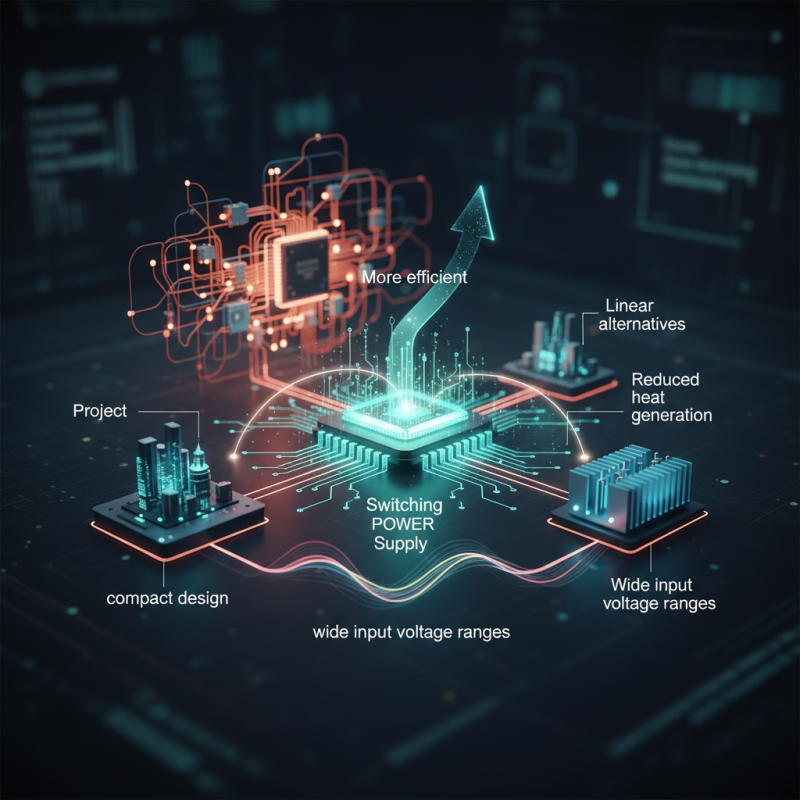
Switching power supplies are changing the landscape of electronics projects. They offer significant efficiency gains compared to linear types. This means less heat generation and a smaller footprint. Engineers and hobbyists are drawn to their compact nature. A Switching Power Supply can easily fit into a tight space.
Efficiency is key. These supplies convert a higher percentage of input power into usable output power. In contrast, linear supplies often waste energy as heat. This can be a concern in intimate setups. The loss can lead to potential overheating, which is not ideal. While switching supplies have many benefits, they can introduce noise into the system, which needs to be managed carefully.
Another advantage is versatility. Switching regulators can handle a broad range of input voltages. This flexibility is valuable in varying power environments. However, some may find the initial setup complex. Understanding switching frequencies and ripple is essential. Properly designed, they can outperform traditional options in many applications. Yet, a little trial and error may be needed to get it right.
Switching power supplies offer significant cost savings, especially in large-scale manufacturing. These devices are more efficient than traditional linear supplies. This efficiency translates to lower electricity bills for manufacturers. They also generate less heat, reducing cooling costs. This is vital in large facilities where cooling systems can be expensive.
Another crucial aspect of switching power supplies is their compact size. This allows manufacturers to save space on production lines. However, it can create a challenge in design. The compact size might lead to overheating if not properly managed. This is something that needs careful consideration.
Additionally, the initial investment in switching power supplies can be higher. Organizations must weigh this against the long-term benefits. In some cases, companies may find it hard to justify the cost upfront. However, as production scales up, the overall savings become evident. Balancing initial costs with future gains is crucial.
When considering power supplies for electronics, switching power supplies stand out. One major advantage is their ability to generate less heat. Unlike linear power supplies, which waste energy as heat, switching models convert energy efficiently. This leads to cooler operation and can extend the life of your components. Reduced heat means less risk of thermal damage, which is vital in tight spaces.
Tip: Ensure proper airflow around your power supply. Even switching supplies can generate some heat. Just a bit of ventilation can make a big difference.
Switching power supplies also allow for compact designs. The smaller footprint helps when space is limited. However, some users might find they need grounding or shielding due to electromagnetic interference. This area can be overlooked, causing more issues than anticipated.
Tip: Test for EMI in your designs. A quick check can save you a lot of headaches later on. Cooling methods need to be considered as well; even slight alterations in design can affect performance.
Switching power supplies have become essential for modern projects due to their compact design. Their small footprint allows designers to utilize limited space more efficiently. This is especially important in applications where every inch counts. For instance, in portable devices or intricate machinery, every component must fit flawlessly.
Tips: Consider layout first. If space is tight, prioritize smaller components. A good layout reduces distance and improves performance.
Another advantage is the lightweight nature of these supplies. They typically weigh less than traditional power supplies. This weight reduction plays a crucial role in mobile designs. A lighter device is easier to handle and transport. You can also reduce shipping costs.
However, using switching supplies does come with challenges. These components can introduce noise into the power system. Designers must find ways to mitigate this interference. Shielding and proper layout are vital.
Tips: Always test your design. Listen for noises or glitches during operation. If problems arise, revisiting the layout can help minimize issues.
Switching power supplies have become a popular choice in various electronic projects. One of their most notable features is enhanced voltage regulation. This attribute ensures that devices receive a steady voltage, which is crucial for their performance. Voltage fluctuations can lead to malfunctions or even damage sensitive components. With a switching power supply, the output voltage remains stable under different loads, making it ideal for applications requiring precision.
Tips: Always check the specs. Look for power supplies with good transient response. This will enhance performance in critical situations.
Another advantage of switching power supplies is their efficiency. They convert energy more effectively than linear regulators. This means less heat generation and smaller cooling requirements. While they might be slightly more complex, the benefits can outweigh the downsides. Sometimes, users face challenges in implementing these systems properly. Misconfiguration can lead to performance issues.
Tips: Start simple. For beginners, selecting a power supply module can save time. Gradually learn the nuances of switching technology. Testing prototypes is essential for optimizing your design.